
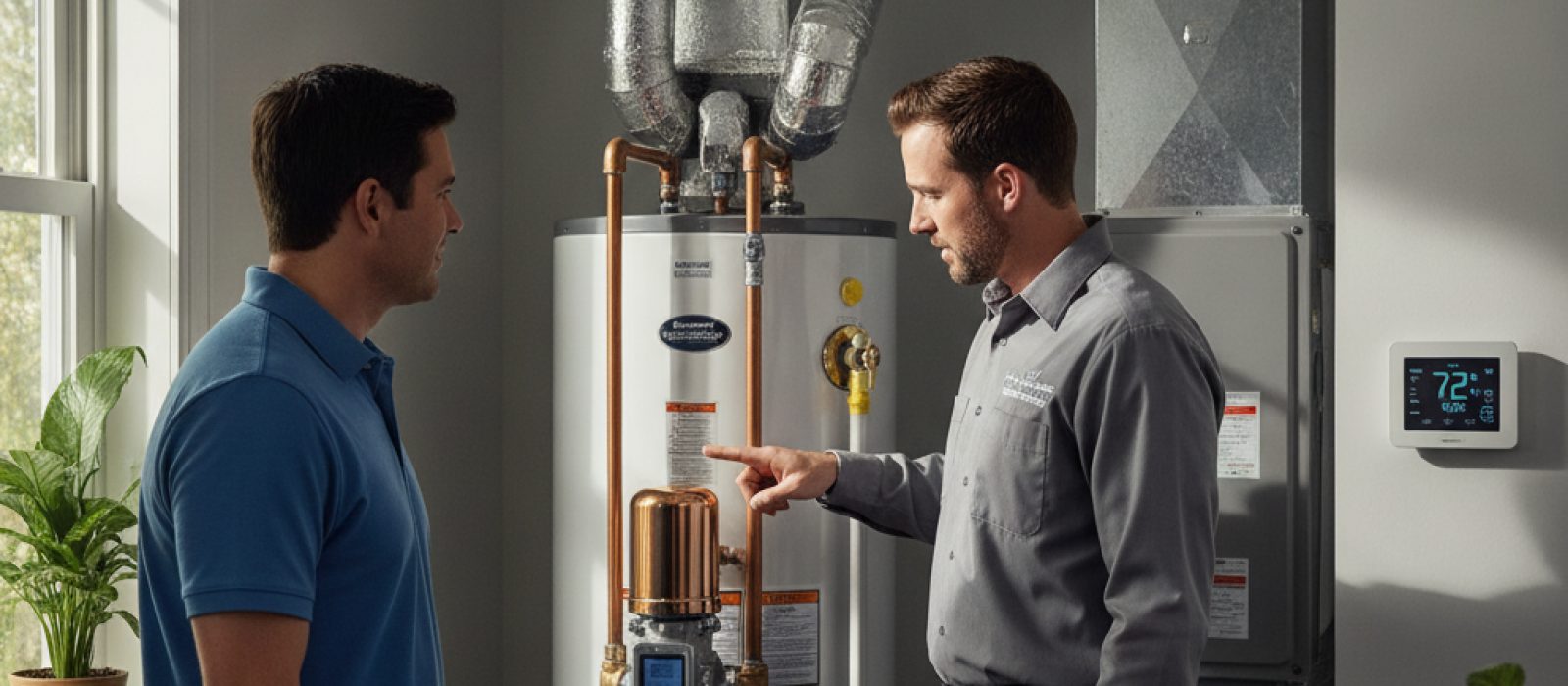
Hot Water Recirculating Pumps: How They Work and What They Cost
Learn how hot water recirculating pumps provide instant hot water, the different installation types, and the factors that influence overall project costs.
4 min read

The ProLine series represents a tier of residential water heaters designed for professional installation. Unlike units found in many big-box retail stores, these models often feature more robust internal components, such as thicker anode rods and enhanced burner assemblies, which contribute to a longer service life. When selecting a unit from this line, homeowners are primarily choosing between standard atmospheric venting, power-vented gas models, and various electric configurations.
Selecting the appropriate energy source depends heavily on existing infrastructure. Converting from gas to electric or vice versa requires significant modifications to plumbing, electrical panels, or gas lines. If you are uncertain about your home's current capacity for these upgrades, consulting with experts in Plumbing Services is the first step before purchasing new equipment.
Gas units generally offer faster recovery rates than their standard electric counterparts. This makes them ideal for households with high hot water demand, such as those with multiple bathrooms or larger families. Atmospheric models utilize a chimney flue to vent exhaust gases, while power-vented models use a dedicated blower motor to push exhaust through a side wall or roof, offering more flexibility in installation location.
Electric units are often chosen for their simplicity and safety, as they do not require venting or gas supply lines. While they may have slower recovery times, modern high-efficiency electric models use electronic controls to optimize heating cycles. Ensure your home's electrical system can support the amperage required for the unit; if you are planning an upgrade, speaking with professionals in Electrical Services can help determine if a panel upgrade is necessary to support a high-wattage tank.
Proper sizing is critical to ensure comfort and energy efficiency. A tank that is too small will leave the household without hot water during peak usage, while a tank that is too large consumes unnecessary energy by keeping a vast quantity of water hot when not in use. Sizing is based on the peak hour demand, which is the amount of hot water used during the busiest hour of the day.
Beyond the number of occupants, consider the presence of high-flow fixtures like jetted tubs or rain-style showerheads. These fixtures significantly increase the volume of water required in a short window of time. If you suspect your current system is failing to keep up, professional Water Heaters specialists can perform a load calculation to determine the exact capacity required for your specific household.
While some homeowners may be tempted to attempt a DIY installation, gas and electrical connections carry significant safety risks. A professional installation ensures that the unit is properly bonded, the gas lines are pressure-tested for leaks, and the venting system is compliant with local building codes. Improperly installed venting can lead to carbon monoxide buildup, making this a task that should only be performed by licensed technicians.
Maintenance is equally important for extending the life of your ProLine unit. Flushing the tank annually removes mineral deposits that accumulate at the bottom, which can otherwise lead to overheating and premature tank failure. Additionally, checking the anode rod every few years is essential. The anode rod is a sacrificial component that prevents the tank interior from corroding; once it is depleted, the tank walls become vulnerable to rust. If your home has hard water, you may also consider integrating Water Treatment solutions to reduce mineral buildup throughout your entire plumbing system.
If you notice signs of a failing water heater, such as lukewarm water, rust-colored discharge, or moisture pooling around the base, contact a technician immediately. Ignoring these signs can lead to a catastrophic tank rupture, which can cause significant water damage to the surrounding structure. Regular Water Heaters maintenance can often catch these issues before they turn into emergency situations, saving you from the stress of a sudden loss of hot water.
Learn how hot water recirculating pumps provide instant hot water, the different installation types, and the factors that influence overall project costs.
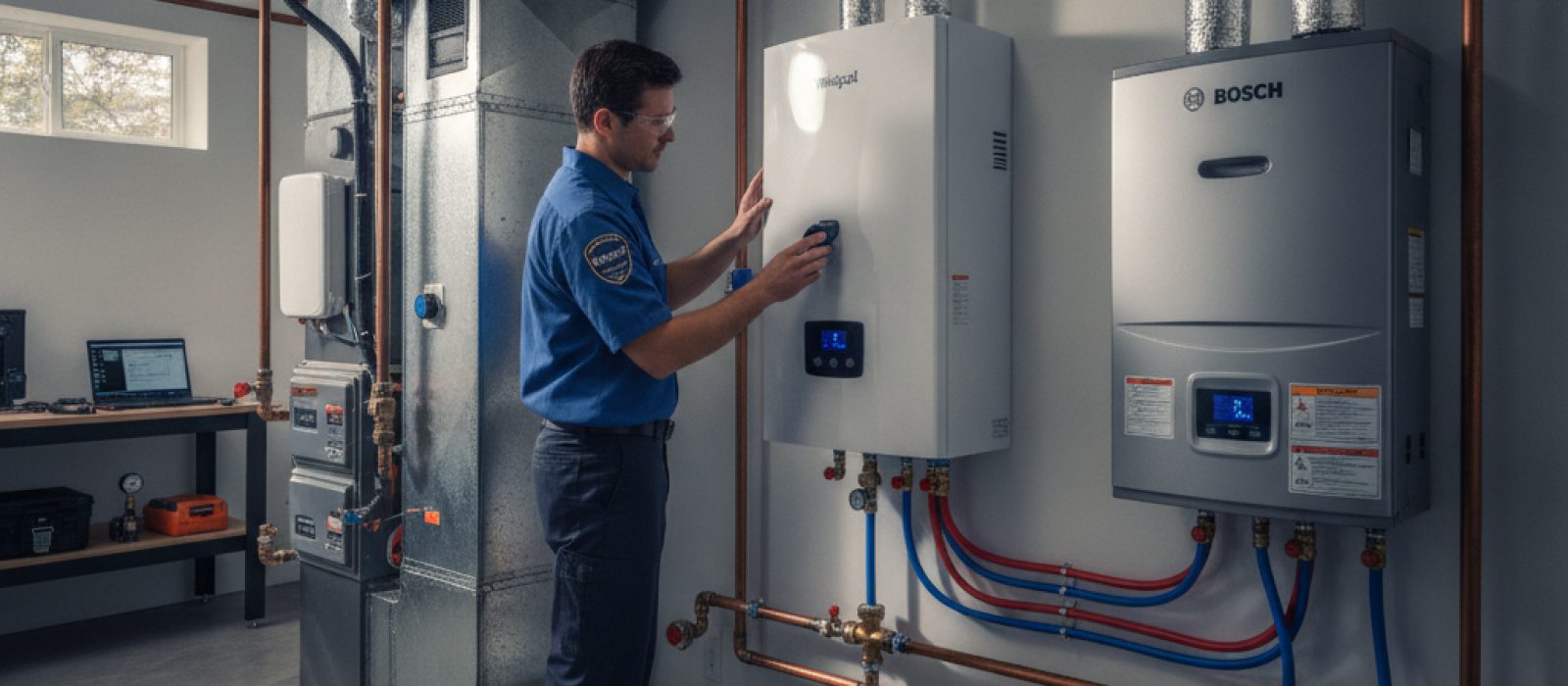
A practical guide to understanding the operational differences, maintenance needs, and common troubleshooting steps for Whirlpool and Bosch water heaters.
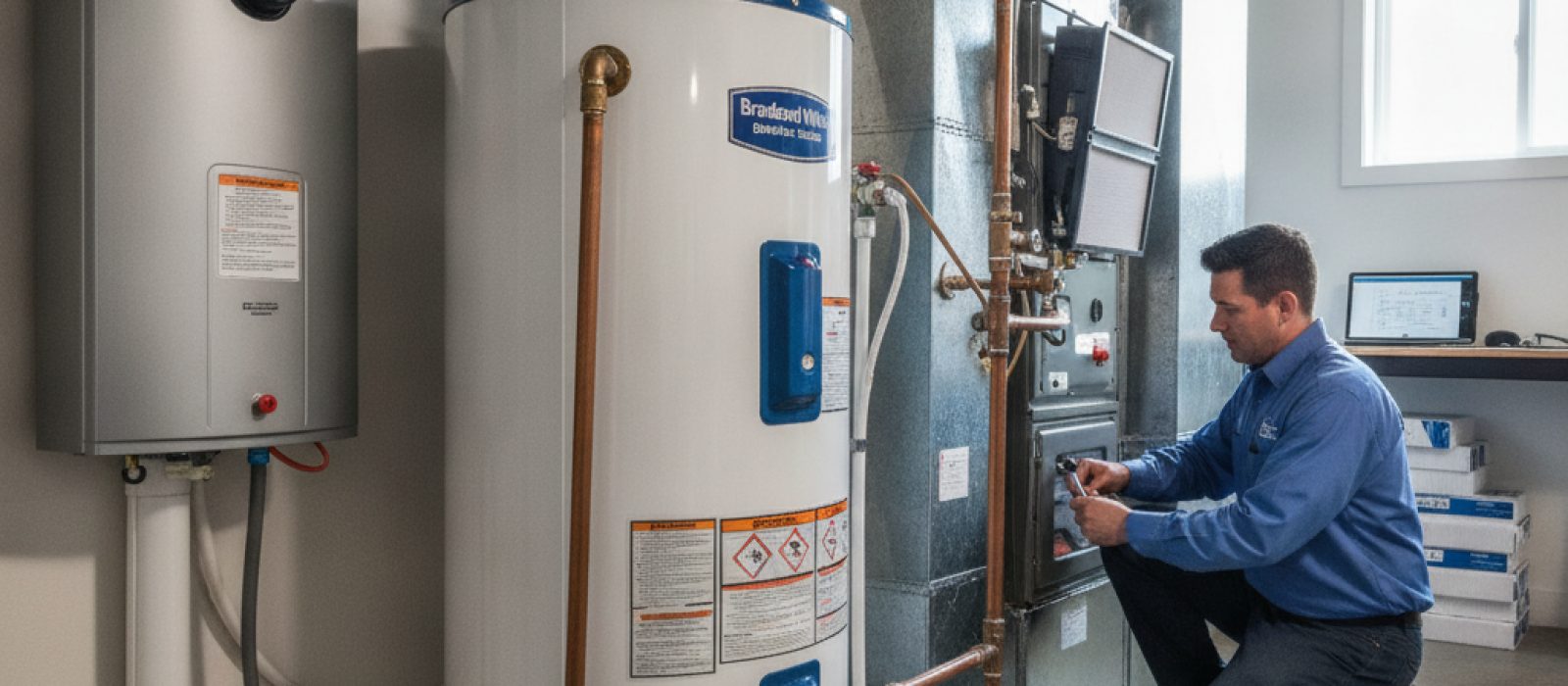
Learn how to choose between 40 and 75-gallon Bradford White water heaters and understand which model fits your home's hot water demands.
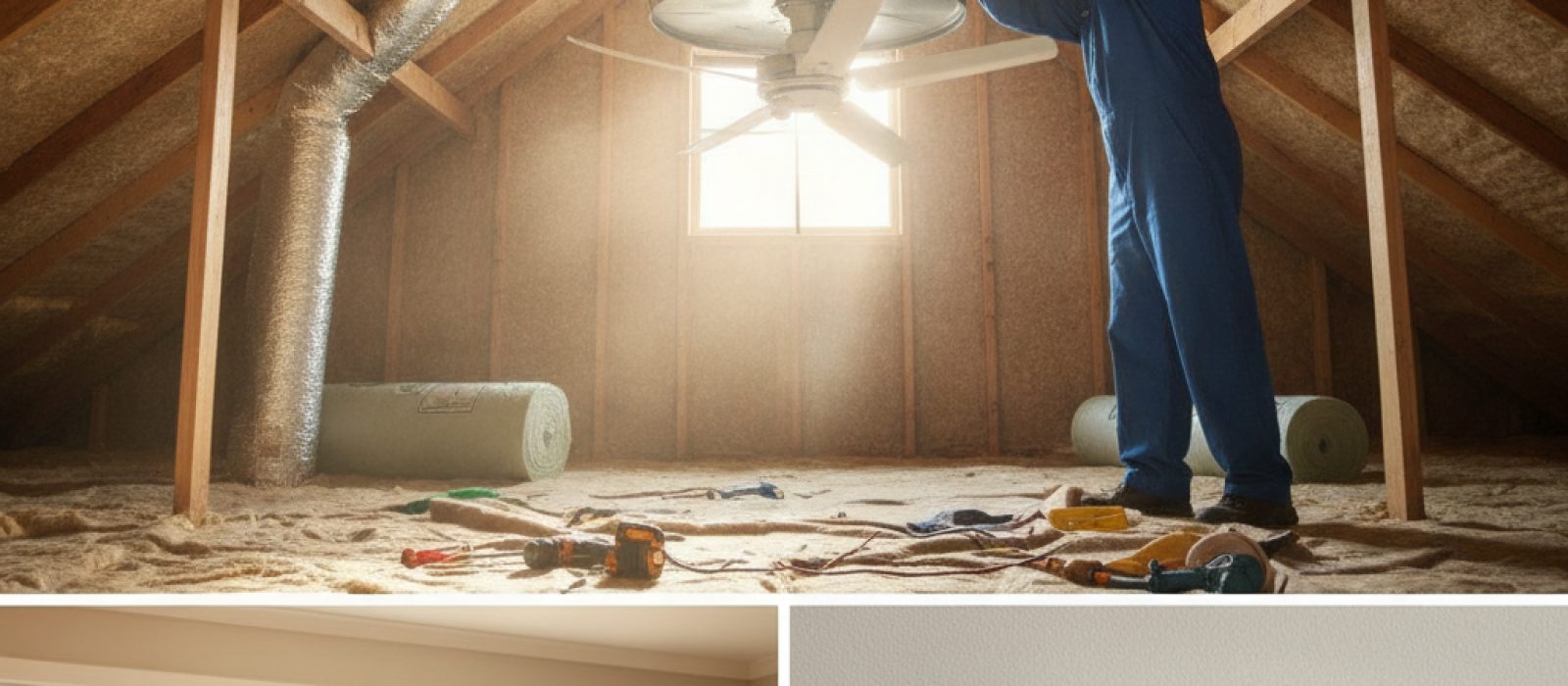
Learn how attic fans manage thermal buildup, the factors influencing installation costs, and the critical mistakes to avoid for a balanced home system.
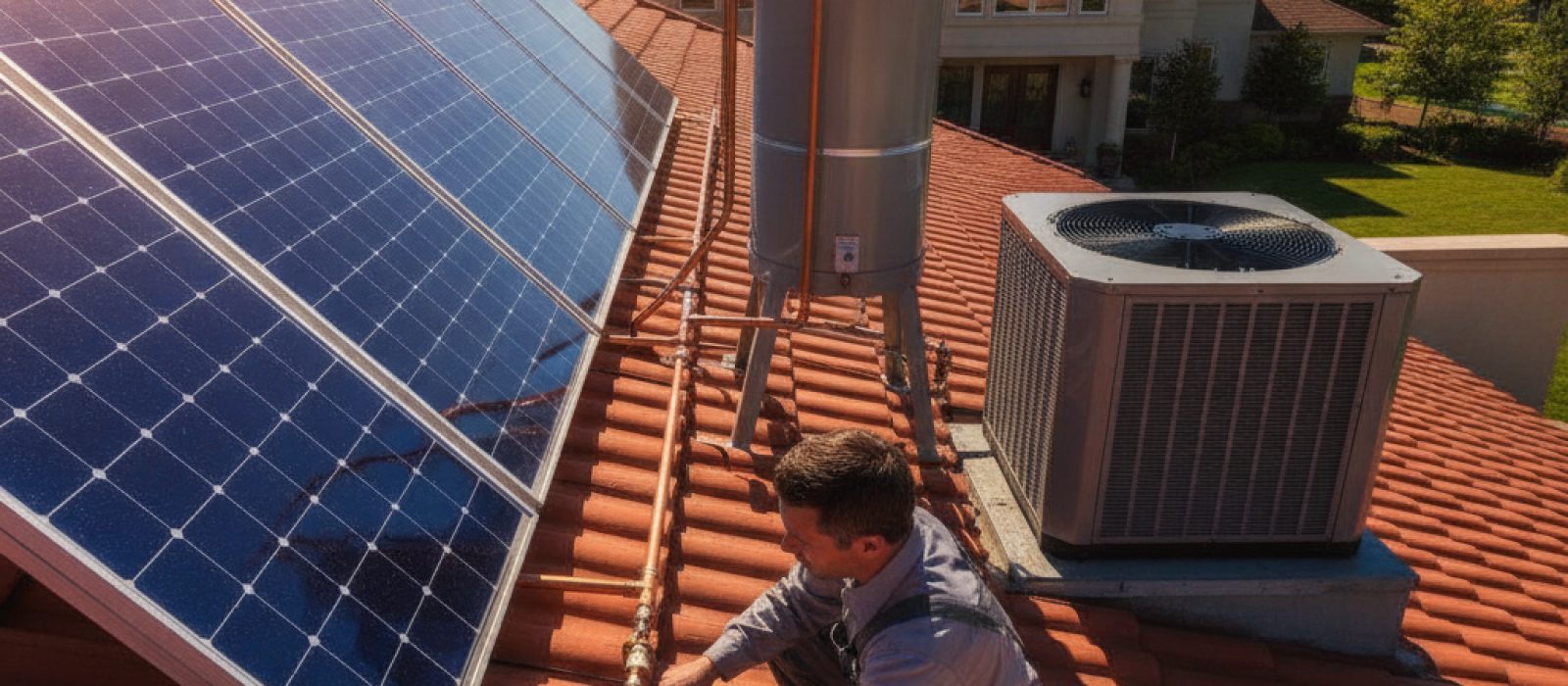
Understand the mechanics, efficiency benefits, and practical considerations of installing a solar-powered water heating system in your home.
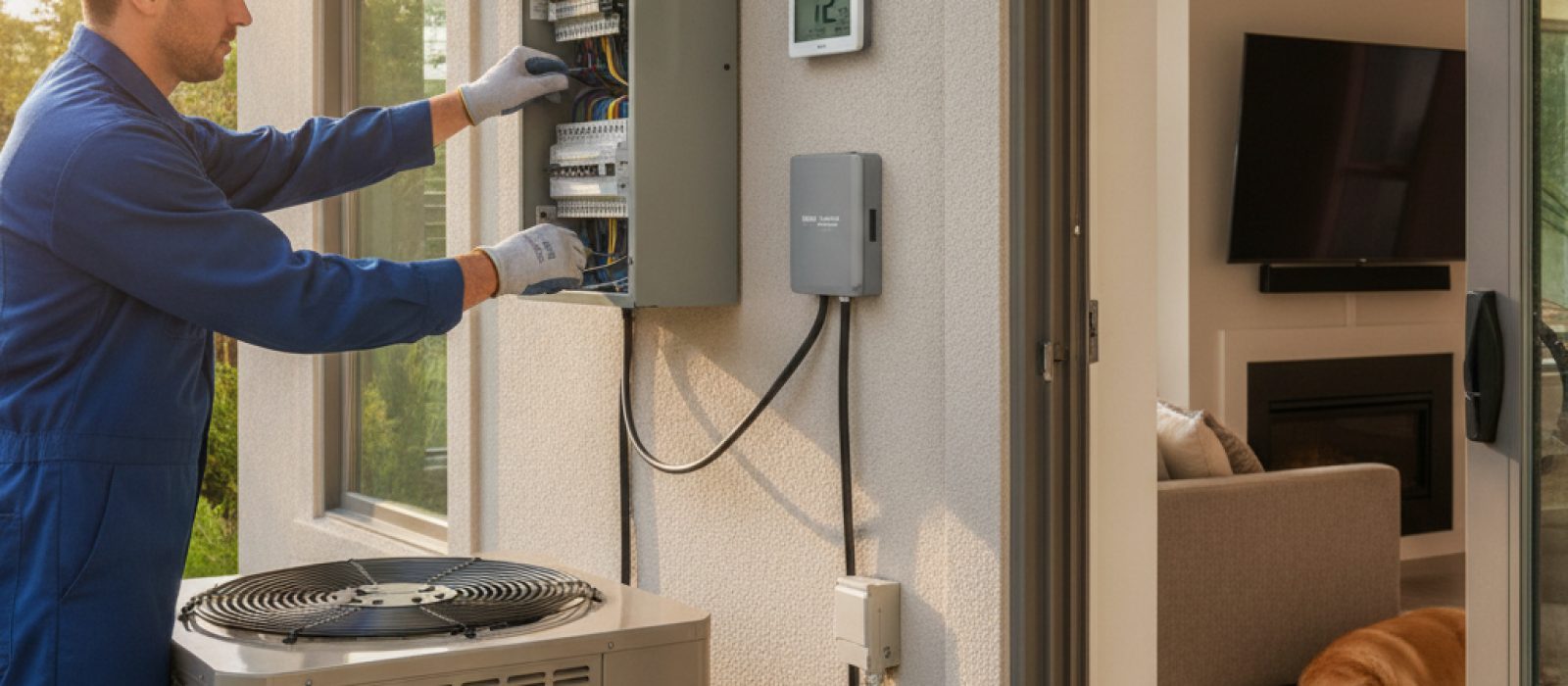
Learn how whole-house surge protectors safeguard sensitive HVAC equipment and home electronics from damaging power spikes and electrical surges.
Be the first to comment.