
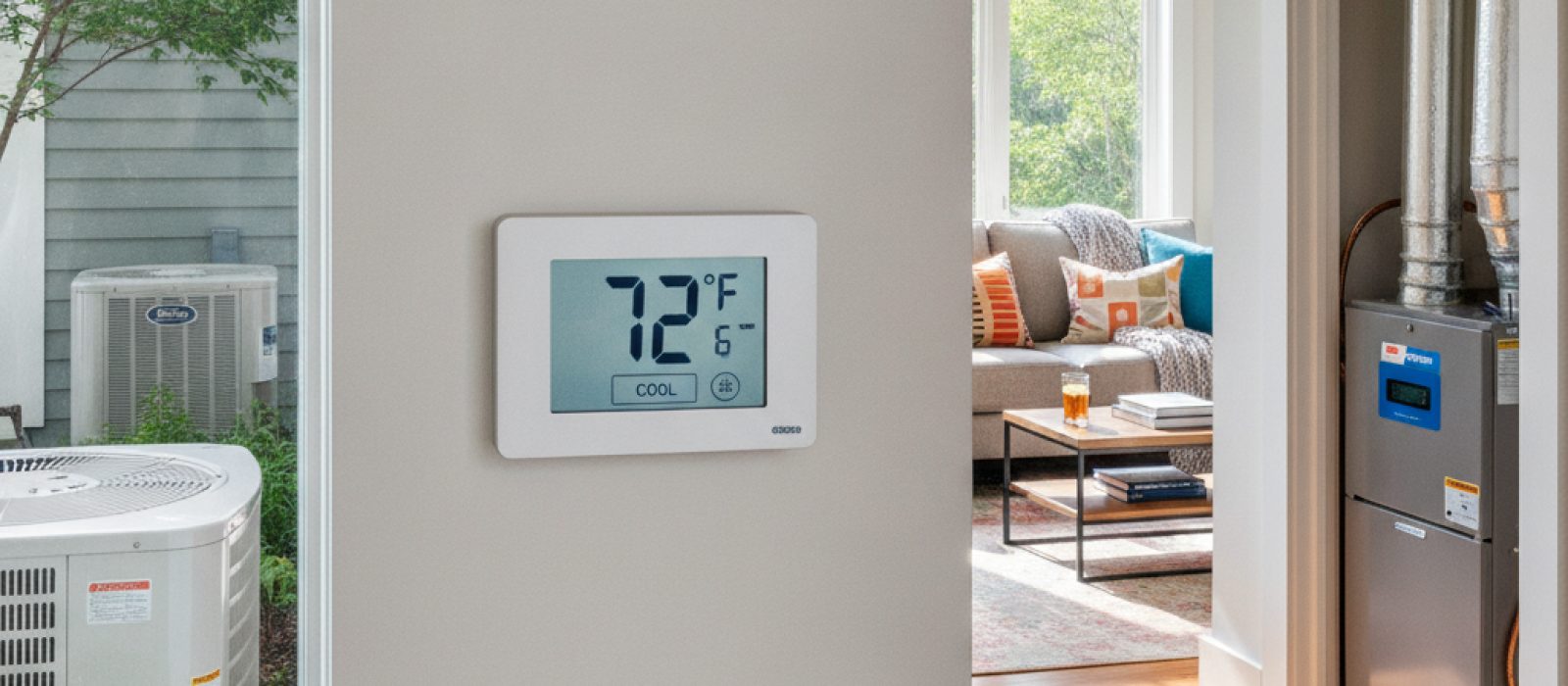
York, Ruud, Bryant and American Standard HVAC: Brand Overview
A guide to understanding the cooling technology and reliability of four major HVAC manufacturers for U.S. homeowners.
4 min read

Las Vegas presents a unique challenge for residential air conditioning systems. When outdoor temperatures climb well above the typical design limits for standard equipment, the system must work significantly harder to move heat from the interior of a home to the outside. This is a matter of thermal transfer physics: the greater the temperature differential between the indoor air and the outdoor air, the more energy the system must expend to reject that heat into the environment.
Standard AC units are engineered to operate efficiently within a specific temperature range. In the desert, the extreme heat saturation of the building materials—the stucco, concrete, and roofing—adds a massive thermal load that persists long after the sun goes down. This heat soak forces the cooling system to run almost continuously, leading to accelerated wear on mechanical components.
Continuous operation during peak summer months creates specific stress points within an HVAC system. When a compressor runs for extended periods without cycling off, internal temperatures rise, potentially leading to thermal overload. If the system is not receiving regular Maintenance & Tune-up attention, these components may struggle to dissipate heat effectively, shortening their operational lifespan.
Capacitors are particularly vulnerable to extreme desert conditions. These small electrical components provide the necessary surge of power to start the compressor and fan motors. Heat is the primary enemy of a capacitor; prolonged exposure to high ambient temperatures can cause them to fail prematurely, leaving homeowners with a system that hums but fails to engage the cooling cycle.
Airflow restriction is a common factor that causes systems to fail when they are needed most. If return air vents are blocked or if the air filter is clogged, the system cannot move enough air across the evaporator coil. This causes the coil to drop below freezing, leading to ice buildup that blocks airflow entirely and forces the compressor to work under extreme pressure.
Homeowners can improve system performance by ensuring all supply and return vents remain unobstructed. If the system continues to struggle despite clean filters, it may be time to consider professional Air Duct Cleaning to remove accumulated dust and debris that impede airflow. Improving the efficiency of your airflow is one of the most effective Energy Efficient Solutions available for reducing system strain.
There is a distinct difference between a system performing well and one that is failing. A system that is keeping the home comfortable but running constantly is doing its job under duress. However, if the indoor temperature continues to rise despite the unit running, the system may have reached its thermal limit or developed a mechanical fault.
Homeowners should monitor for the following signs of distress:
If these signs appear, it is advisable to contact a professional for an inspection. Attempting to force a failing system to run can lead to more catastrophic damage, such as a burnt-out compressor motor.
The efficiency of an AC unit is inextricably linked to how well the home retains cool air. In the Las Vegas climate, the building envelope—the walls, windows, and attic insulation—acts as the first line of defense. If the home has poor insulation, the AC unit is essentially fighting a losing battle against the sun.
Upgrading window treatments to block direct UV rays can significantly lower the heat gain inside a room. Additionally, ensuring that attic spaces are properly ventilated prevents heat from building up in the ceiling, which otherwise radiates downward into the living space. These passive measures decrease the total runtime of the mechanical system, effectively extending its life.
While professional technicians handle refrigerant, electrical wiring, and internal mechanical repairs, there are steps homeowners can take to support system health. Keeping the area around the outdoor condenser unit clear of debris, dry leaves, and vegetation is essential for proper heat rejection. Ensure there is at least two feet of clearance on all sides of the unit.
Never attempt to open the electrical access panel on the condenser or touch any refrigerant lines. These components contain high-voltage electricity and pressurized chemicals that require specialized training and equipment to handle safely. If the unit is making strange noises or emitting odors, turn the thermostat to the 'off' position and contact a professional immediately to prevent further damage to the system.
A guide to understanding the cooling technology and reliability of four major HVAC manufacturers for U.S. homeowners.
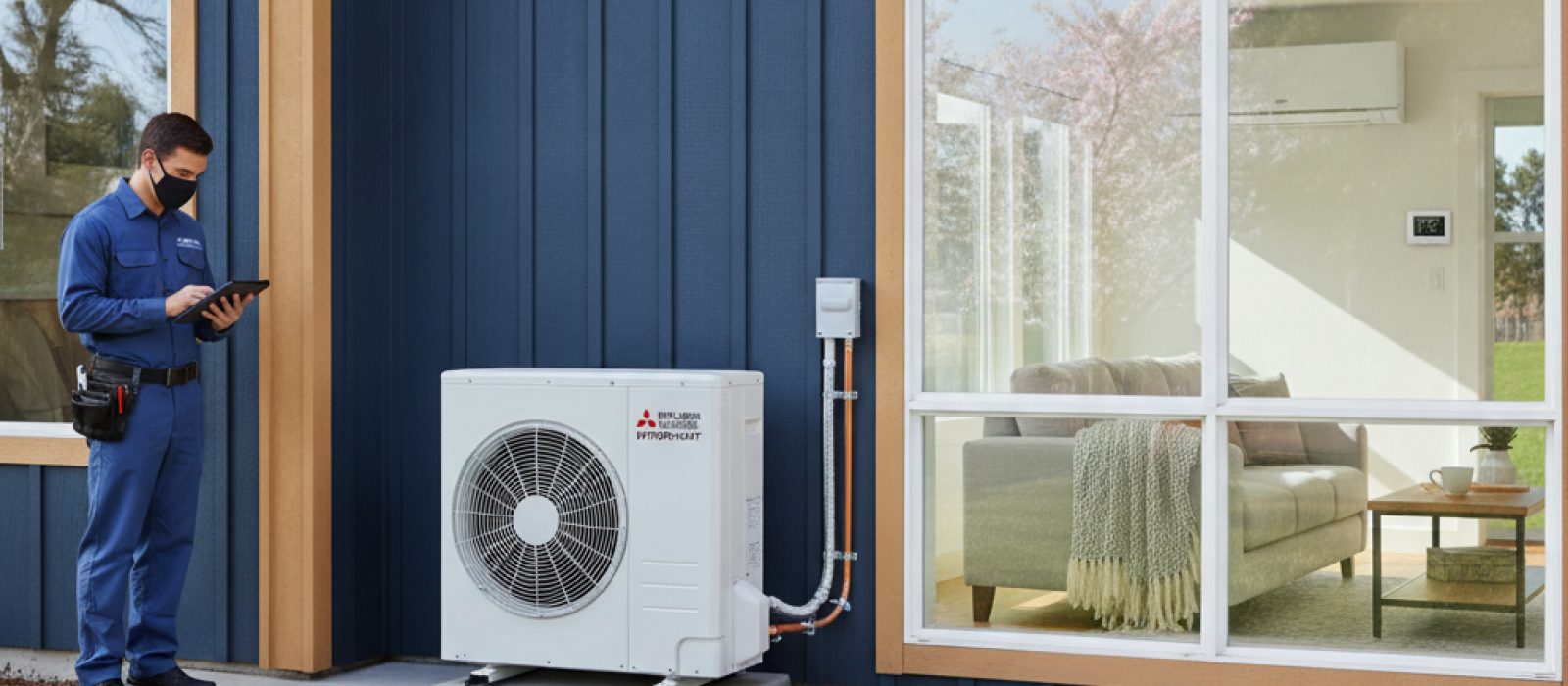
A comprehensive look at Mitsubishi mini-split technology and Hyper-Heat performance for year-round climate control in U.S. homes.
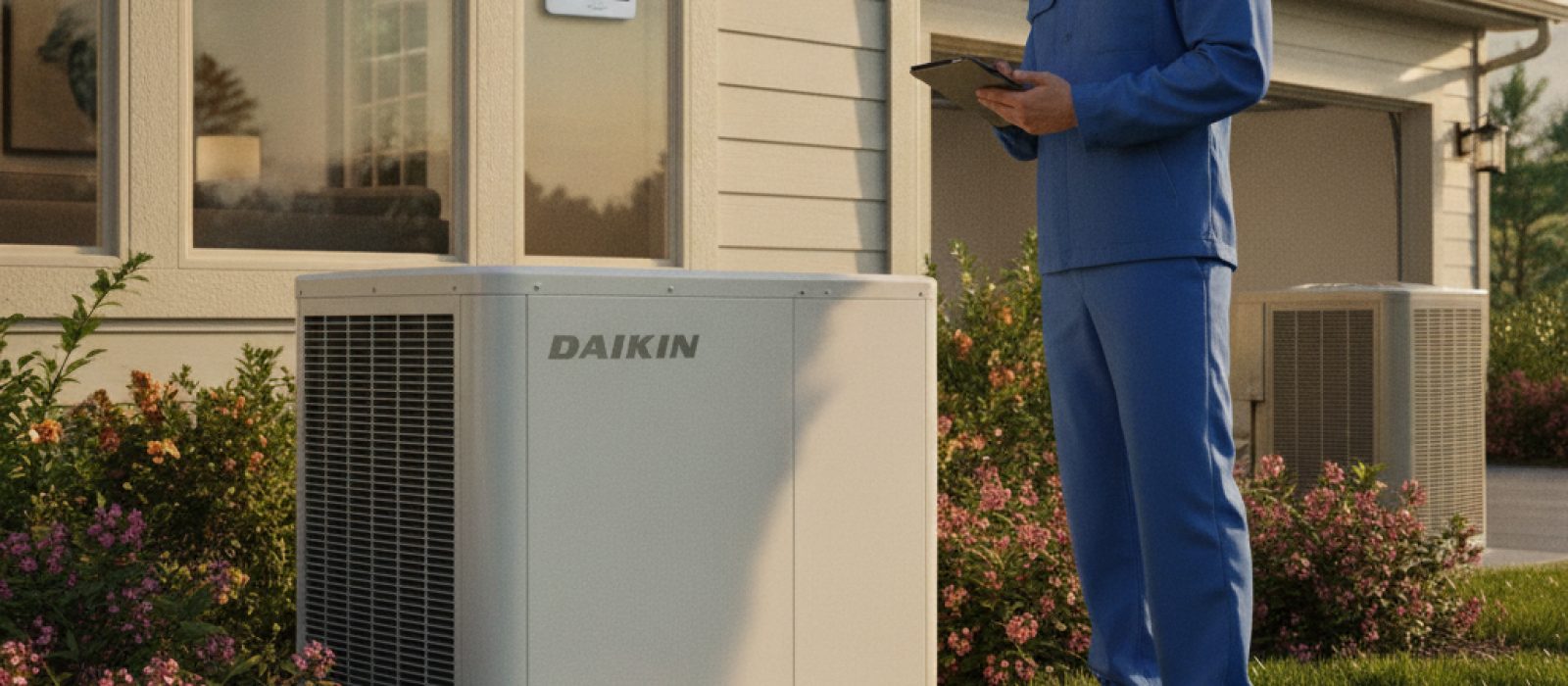
A comprehensive guide to understanding Daikin HVAC systems, including model tiers, standard maintenance requirements, and factory warranty coverage.
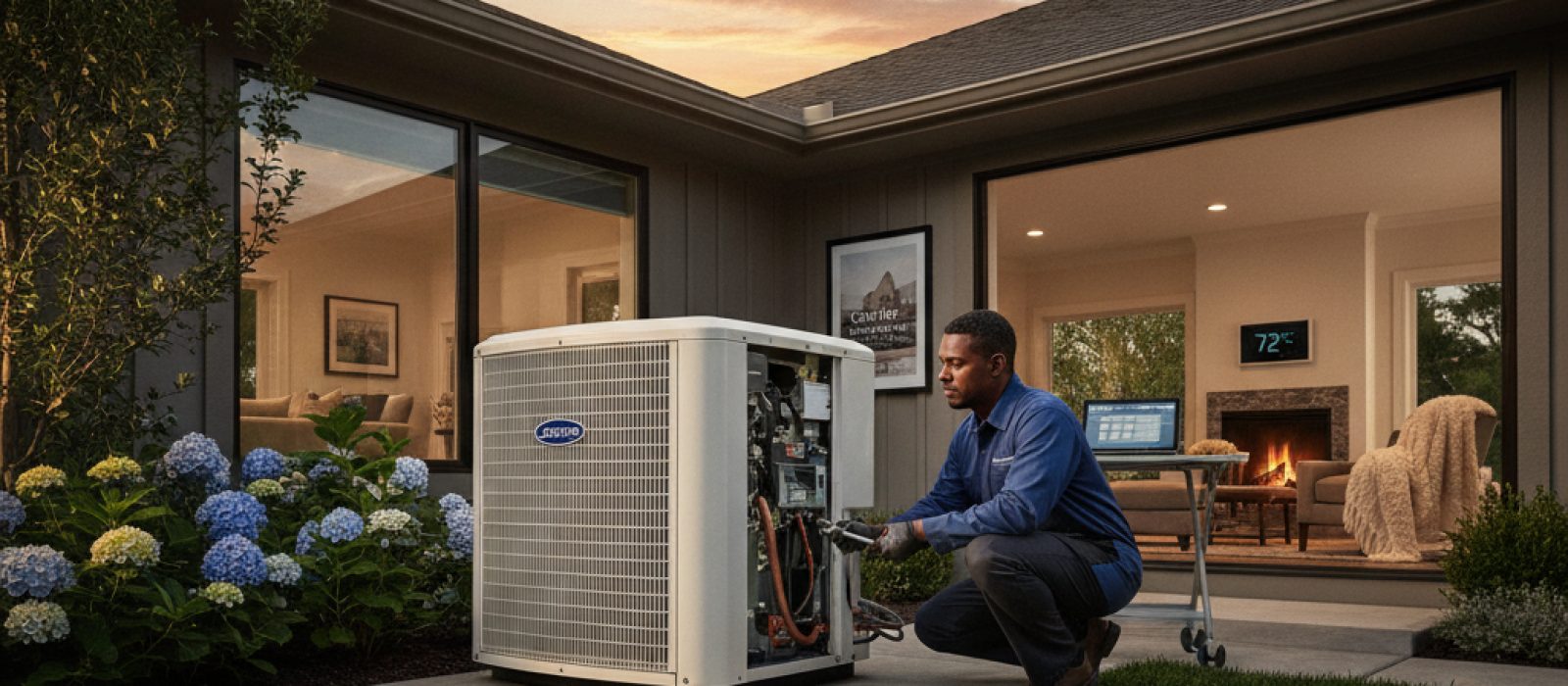
A comprehensive guide to understanding Carrier air conditioning systems, efficiency ratings, installation factors, and maintenance requirements.
An objective look at Goodman HVAC systems, covering performance, longevity, and what homeowners should know before choosing a budget-friendly cooling solution.
A guide to understanding Trane residential cooling systems, including component integration and maintenance requirements for homeowners.
Be the first to comment.