
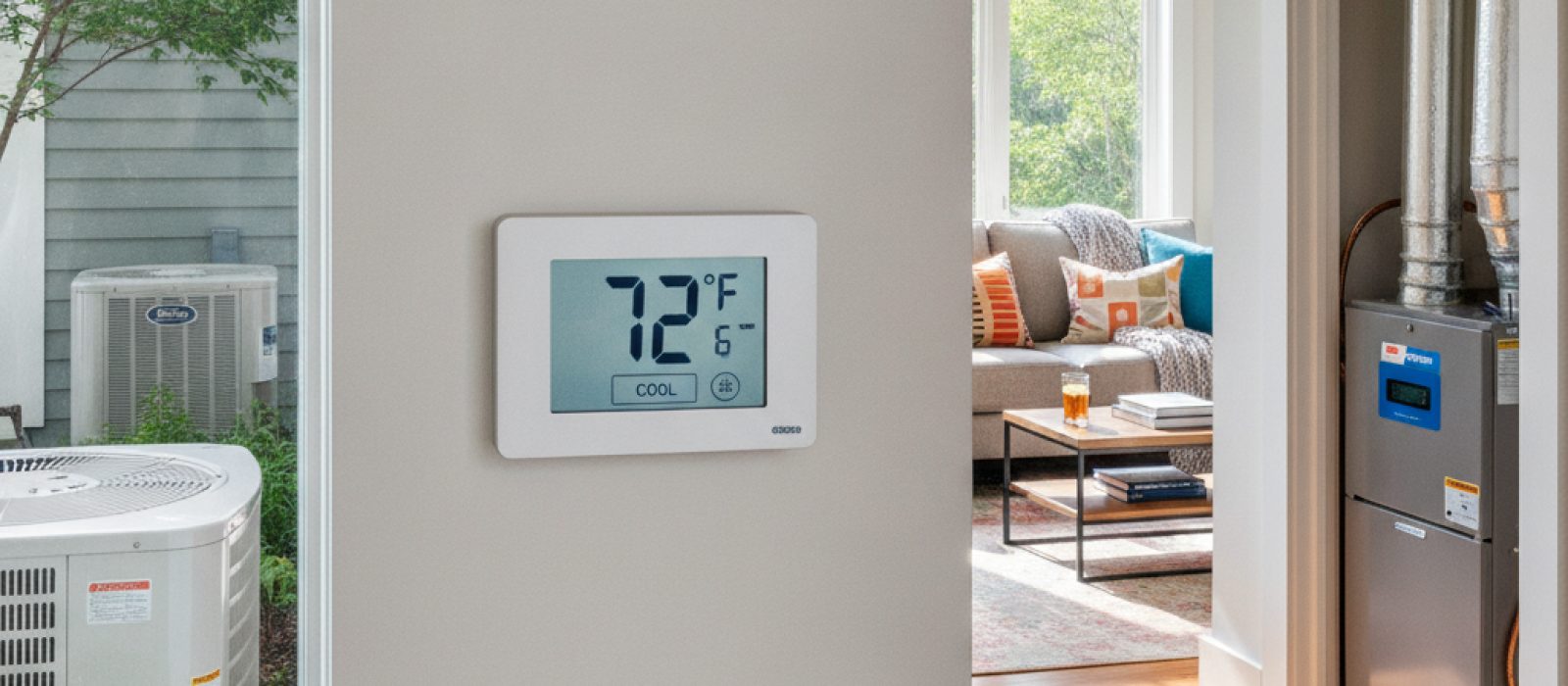
York, Ruud, Bryant and American Standard HVAC: Brand Overview
A guide to understanding the cooling technology and reliability of four major HVAC manufacturers for U.S. homeowners.
3 min read

An air conditioner is designed to cycle on and off, effectively removing heat and humidity from the air until the set temperature on the thermostat is reached. When a system runs continuously without satisfying the thermostat, it indicates a breakdown in the heat exchange process, a mechanical failure, or an external factor overwhelming the system's capacity. This article explores the common causes of this issue and provides a logical framework for troubleshooting.
Restricted airflow is the most common culprit for cooling inefficiency. When air cannot circulate freely over the evaporator coil, the system cannot absorb heat effectively, forcing it to run longer to compensate for the lack of thermal transfer.
The thermostat acts as the brain of the HVAC system. If the sensor is reading the temperature incorrectly, or if the communication between the unit and the thermostat is faulty, the system may never receive the signal to shut off.
Check if the thermostat is located near a heat source, such as a lamp, a television, or a window receiving direct sunlight. These heat sources can trick the sensor into thinking the room is warmer than it actually is. If basic troubleshooting does not resolve the discrepancy, you may require professional Thermostat Services to verify calibration or wiring integrity.
Refrigerant is the lifeblood of the cooling cycle, responsible for moving heat from inside the home to the outdoors. If the system is low on refrigerant, it is likely due to a leak. Unlike fuel in a car, refrigerant is not consumed during normal operation; it is a closed loop.
Symptoms of a low refrigerant charge include ice forming on the refrigerant lines or the evaporator coil, and a significant drop in the temperature difference between the return air and the supply air. Handling refrigerant is strictly a job for a licensed professional, as it requires specialized equipment and adherence to environmental regulations.
Even a perfectly functioning air conditioner will struggle if the cooled air never reaches its destination. Ductwork that is disconnected, leaking at the seams, or significantly damaged allows conditioned air to escape into attics, crawlspaces, or wall cavities.
If you notice some rooms are significantly warmer than others, or if you hear hissing sounds near the ductwork, your system may be suffering from air loss. Professional Ductwork Services can identify these leaks using pressure testing to ensure your home is receiving the full capacity of your cooling system.
Sometimes the air conditioner is functioning correctly, but the home is gaining heat faster than the unit can remove it. If your home has poor attic insulation, thin windows, or significant air leaks around doors and windows, the AC will run constantly to fight the influx of outside heat.
Conducting a simple home energy assessment can help identify areas where thermal loss is occurring. Improving the building envelope is often more cost-effective than attempting to upgrade to a larger air conditioning unit, which can actually cause other performance issues like short-cycling.
While homeowners can safely handle filter replacements and clearing obstructions, complex mechanical issues require expert intervention. If you notice any of the following, schedule a service appointment:
Engaging in routine Maintenance & Tune-up helps prevent these issues before they become emergency situations. A technician can verify the electrical components, test the capacitor, and ensure the condenser fan motor is operating at peak efficiency, protecting the longevity of your investment.
A guide to understanding the cooling technology and reliability of four major HVAC manufacturers for U.S. homeowners.
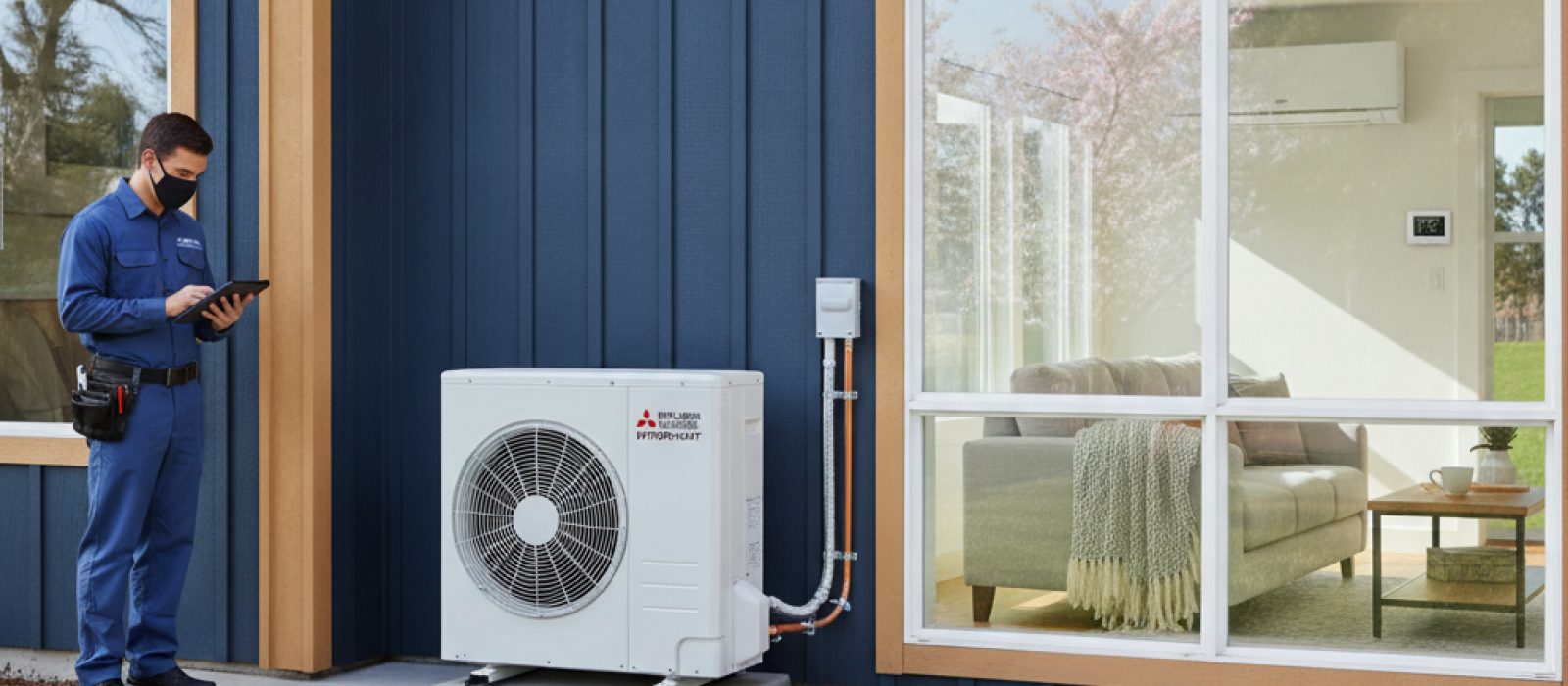
A comprehensive look at Mitsubishi mini-split technology and Hyper-Heat performance for year-round climate control in U.S. homes.
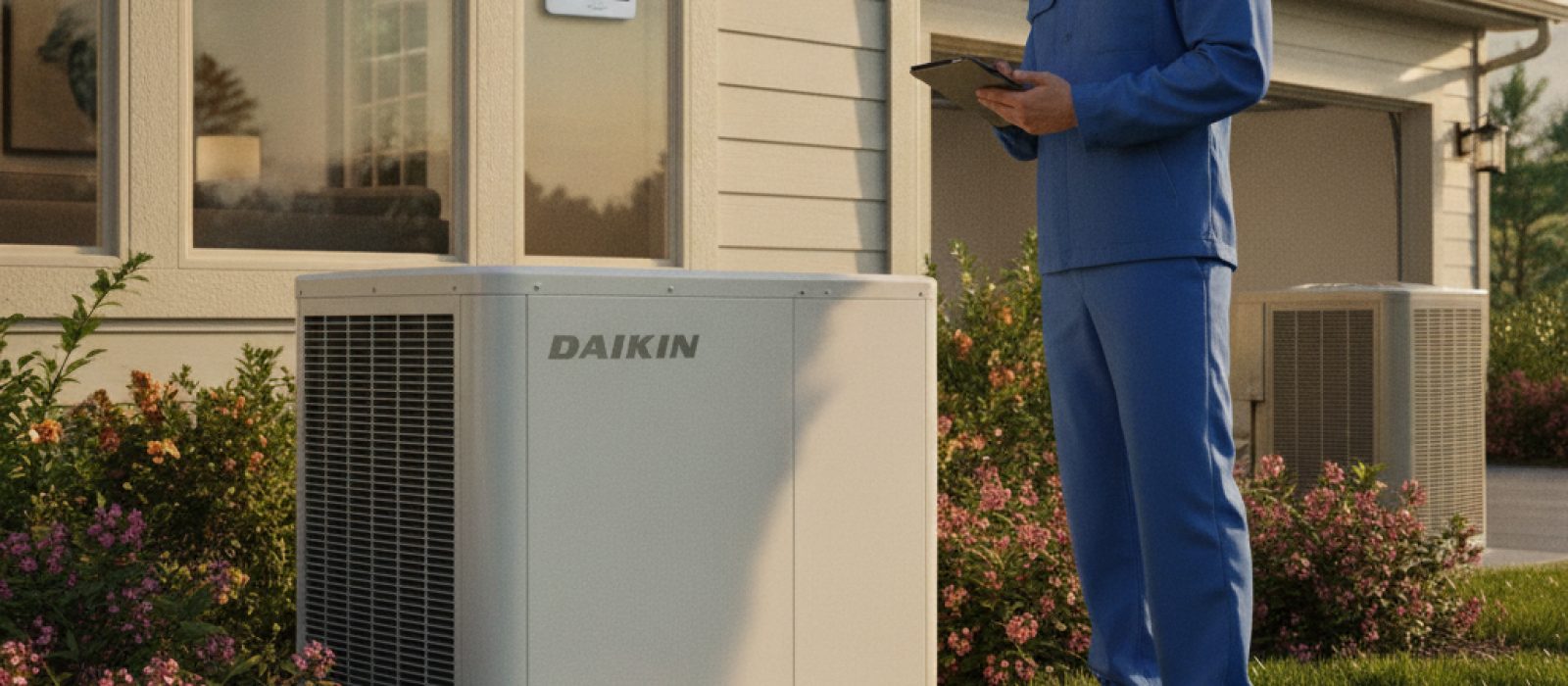
A comprehensive guide to understanding Daikin HVAC systems, including model tiers, standard maintenance requirements, and factory warranty coverage.
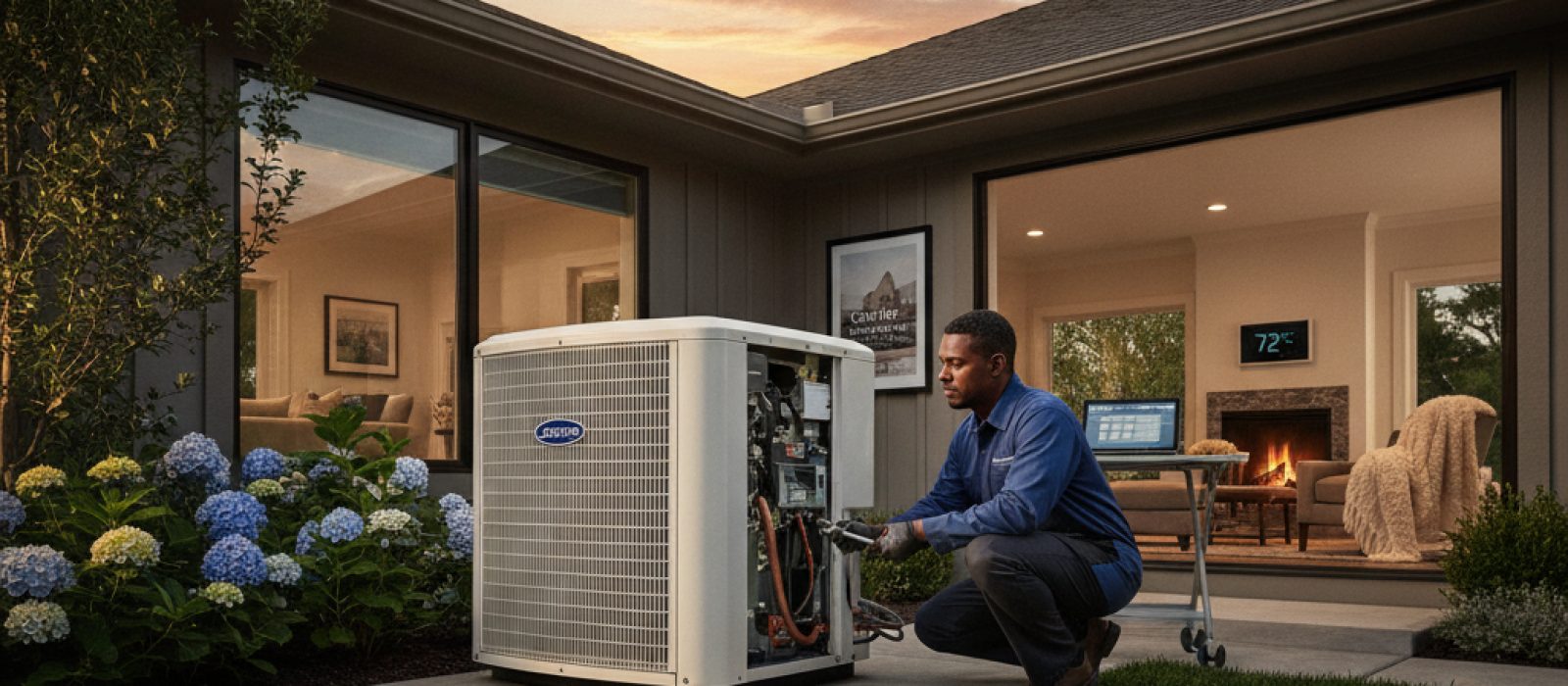
A comprehensive guide to understanding Carrier air conditioning systems, efficiency ratings, installation factors, and maintenance requirements.
An objective look at Goodman HVAC systems, covering performance, longevity, and what homeowners should know before choosing a budget-friendly cooling solution.
A guide to understanding Trane residential cooling systems, including component integration and maintenance requirements for homeowners.
Be the first to comment.