
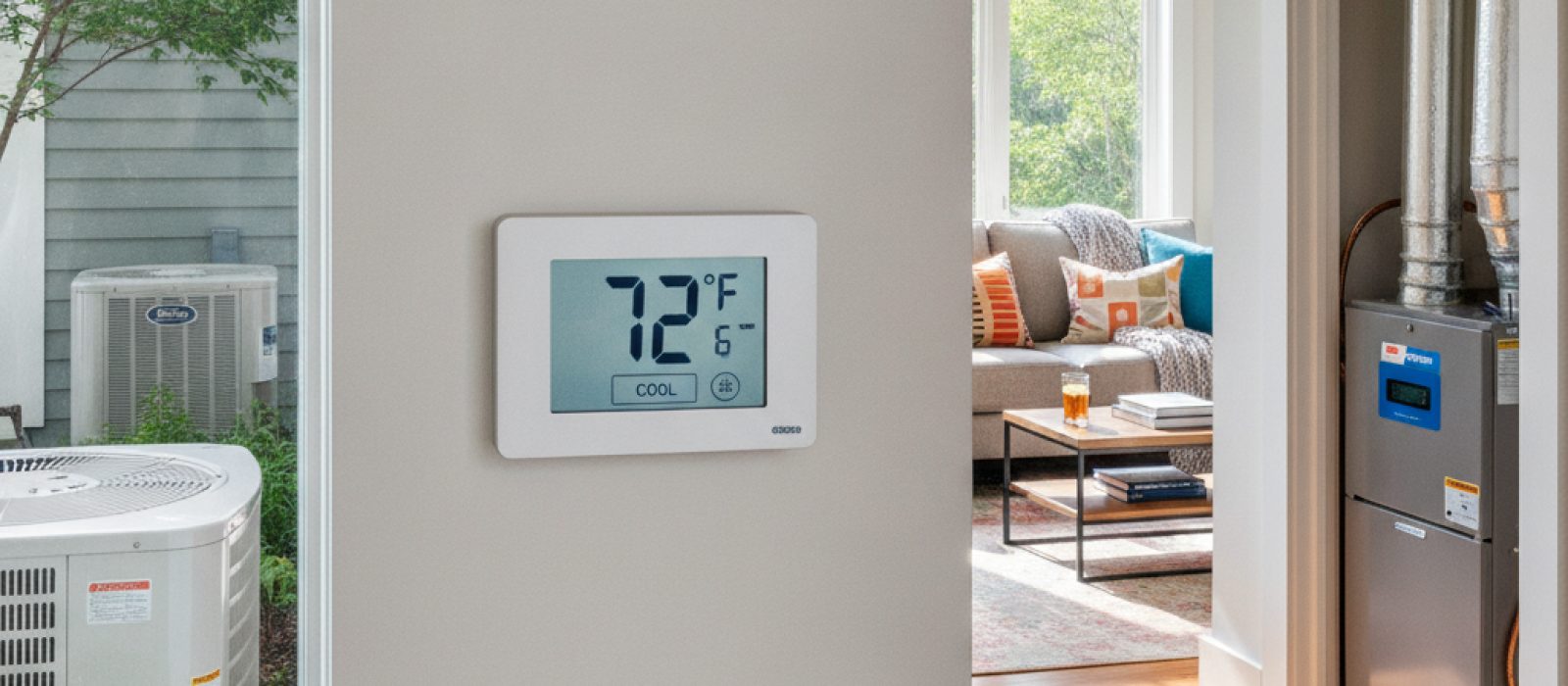
York, Ruud, Bryant and American Standard HVAC: Brand Overview
A guide to understanding the cooling technology and reliability of four major HVAC manufacturers for U.S. homeowners.
3 min read

The primary difference between single-stage and two-stage air conditioning systems lies in their operating capacity: a single-stage unit runs at 100% capacity at all times, while a two-stage unit can operate at a lower, energy-efficient level for milder days and a high-output level only when extreme heat demands it.
A single-stage AC system is the traditional standard. It operates like a light switch—it is either fully on or completely off. When your thermostat detects that the temperature has risen above your set point, the compressor kicks on at full power until the desired temperature is reached, then shuts down entirely.
This "all-or-nothing" approach is reliable and generally features a lower upfront installation cost. However, it can be less efficient in terms of electricity usage and may result in noticeable temperature swings, as the home cools rapidly and then warms up again before the next cycle begins.
Two-stage systems offer a more nuanced approach to home comfort. Think of it like a car with two gears: low and high. On most days, the system runs in the low-stage setting, which is sufficient to maintain a comfortable temperature while using significantly less energy. Because the system runs for longer, slower cycles, it does a superior job of removing humidity from the air.
When the outdoor temperature spikes during a heatwave, the system automatically shifts to the high-stage setting to provide maximum cooling power. This flexibility ensures your home stays comfortable during extreme weather without wasting energy when the cooling load is light.
Choosing the right system often depends on your regional weather patterns:
Beyond comfort and efficiency, consider the mechanical wear on your equipment. Because single-stage units are constantly cycling on and off, the components experience more mechanical stress compared to a two-stage unit that runs continuously at a lower speed. By reducing the frequency of "hard starts," two-stage systems can sometimes offer a slightly longer lifespan for the compressor.
However, it is important to note that two-stage systems are more complex. This means that if repairs are needed, they may require a technician with specific training, and the replacement parts for the more advanced internal components may be more expensive than those for a standard single-stage unit.
Ultimately, the decision should be based on your long-term comfort goals and your local climate. If you prioritize consistent temperatures and lower humidity, the investment in a two-stage system is often well worth it for the improved quality of your indoor environment.
A guide to understanding the cooling technology and reliability of four major HVAC manufacturers for U.S. homeowners.
A comprehensive look at Mitsubishi mini-split technology and Hyper-Heat performance for year-round climate control in U.S. homes.
A comprehensive guide to understanding Daikin HVAC systems, including model tiers, standard maintenance requirements, and factory warranty coverage.
A comprehensive guide to understanding Carrier air conditioning systems, efficiency ratings, installation factors, and maintenance requirements.
An objective look at Goodman HVAC systems, covering performance, longevity, and what homeowners should know before choosing a budget-friendly cooling solution.
A guide to understanding Trane residential cooling systems, including component integration and maintenance requirements for homeowners.
Be the first to comment.