
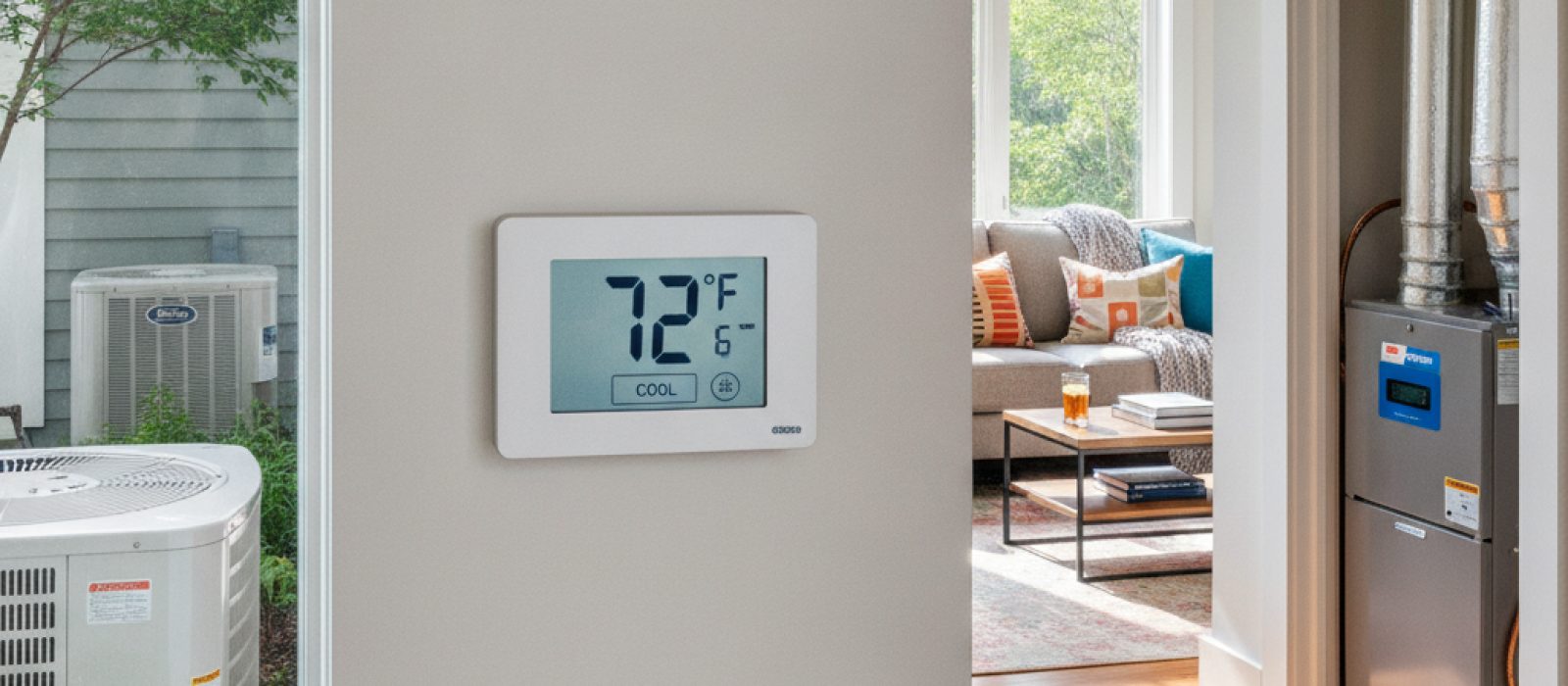
York, Ruud, Bryant and American Standard HVAC: Brand Overview
A guide to understanding the cooling technology and reliability of four major HVAC manufacturers for U.S. homeowners.
2 min read

The most common signs that your air conditioner is low on refrigerant include lukewarm air blowing from your vents, ice buildup on the outdoor unit's copper lines, and a noticeable increase in your monthly energy bills. If you notice a hissing or bubbling sound coming from the unit, or if the system runs constantly without ever reaching the set temperature on your thermostat, these are strong indicators that your refrigerant levels have dropped below the manufacturer's recommended capacity.
It is a common misconception that air conditioning systems consume refrigerant like a car consumes gasoline. In reality, an AC unit operates on a closed-loop system. Refrigerant is meant to cycle through the coils indefinitely. If your system is low on refrigerant, it is not because it was "used up"; it is because there is a leak somewhere in the copper lines or the coils. Simply adding more refrigerant without locating and repairing the leak is only a temporary fix that will inevitably lead to the same problem recurring shortly after.
While DIY kits are available for purchase online, attempting to recharge your own AC system is highly discouraged for several critical reasons:
If you suspect your refrigerant is low, the safest and most cost-effective path is to schedule a professional inspection. A certified technician will perform a thorough diagnostic check to confirm the pressure levels, locate the exact point of the leak, and provide you with repair options. Fixing the leak properly ensures the longevity of your cooling system and keeps your home comfortable throughout the hottest months of the year. By addressing the root cause rather than applying a "quick fix," you protect your investment and avoid the risk of a total system breakdown during the peak of summer.
A guide to understanding the cooling technology and reliability of four major HVAC manufacturers for U.S. homeowners.
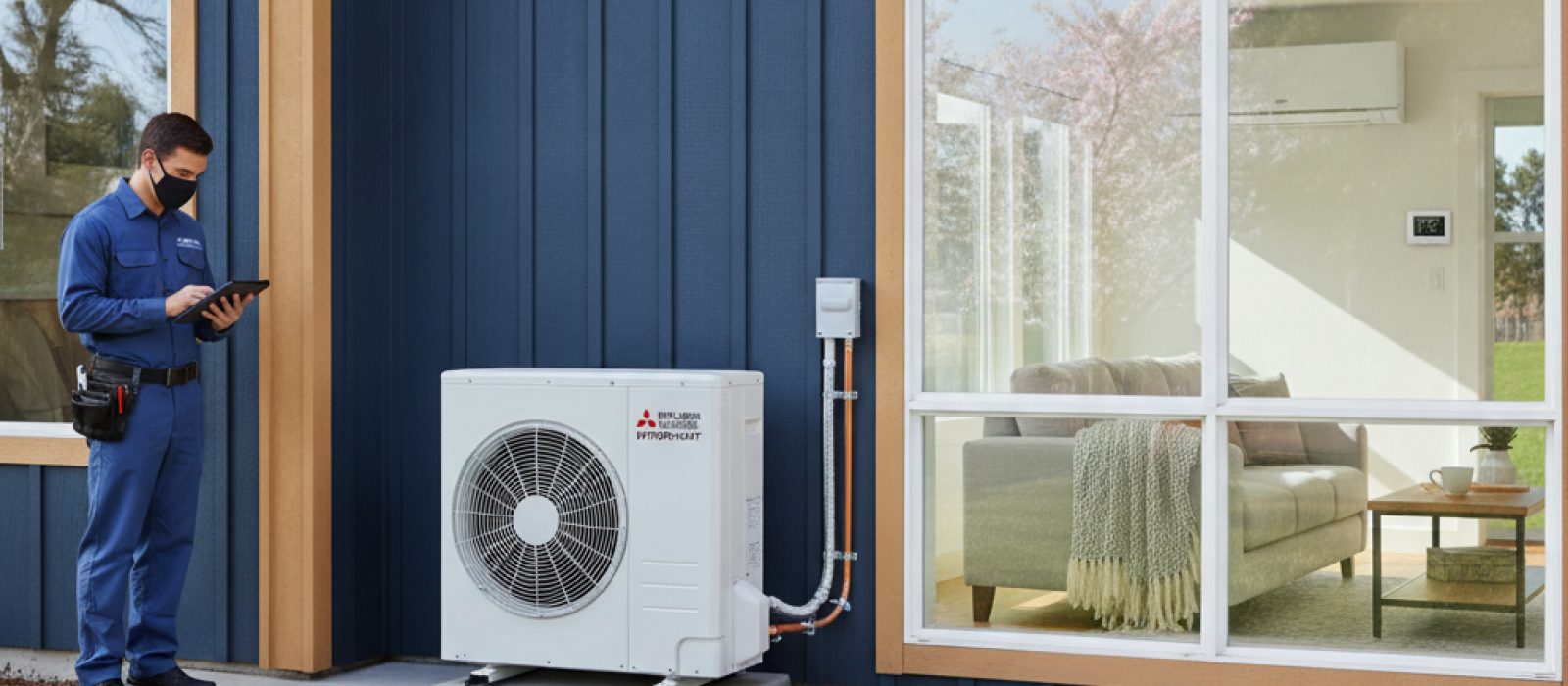
A comprehensive look at Mitsubishi mini-split technology and Hyper-Heat performance for year-round climate control in U.S. homes.
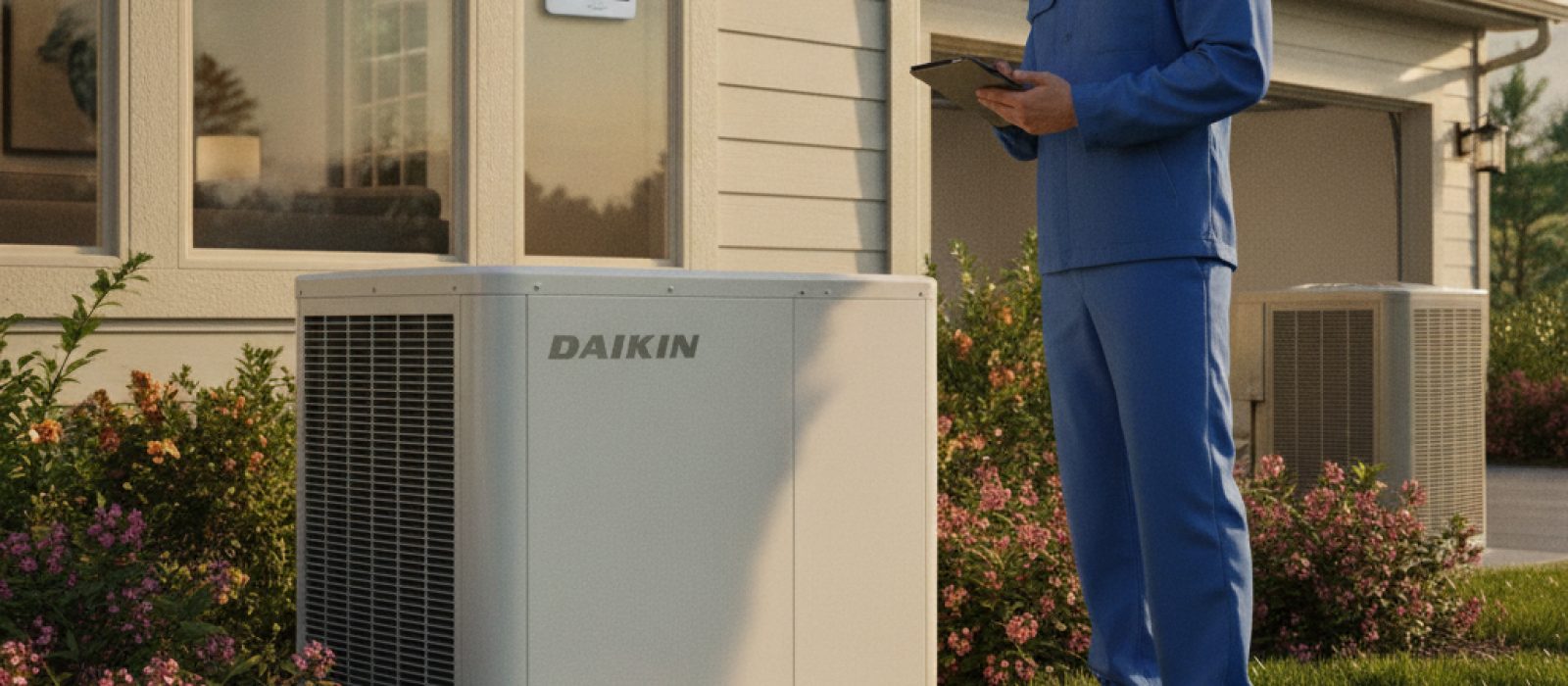
A comprehensive guide to understanding Daikin HVAC systems, including model tiers, standard maintenance requirements, and factory warranty coverage.
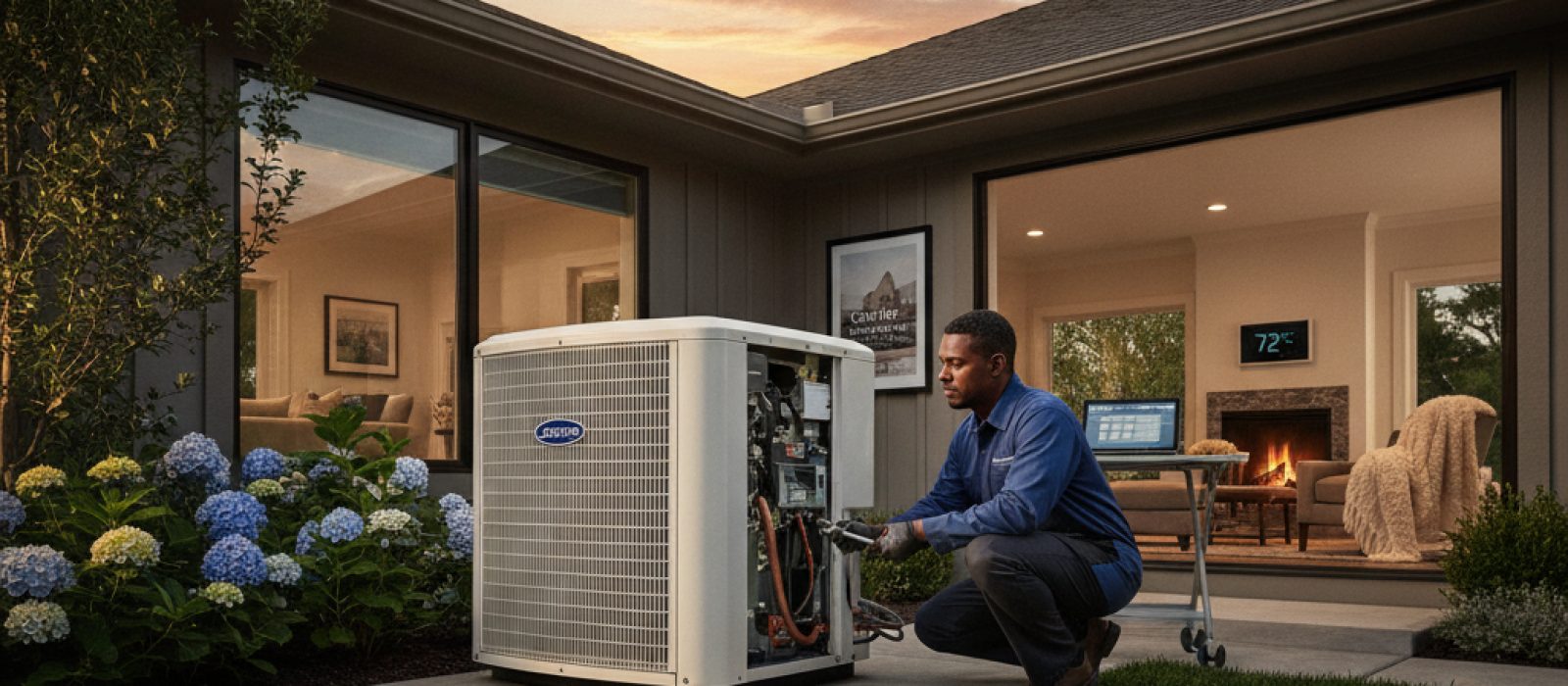
A comprehensive guide to understanding Carrier air conditioning systems, efficiency ratings, installation factors, and maintenance requirements.
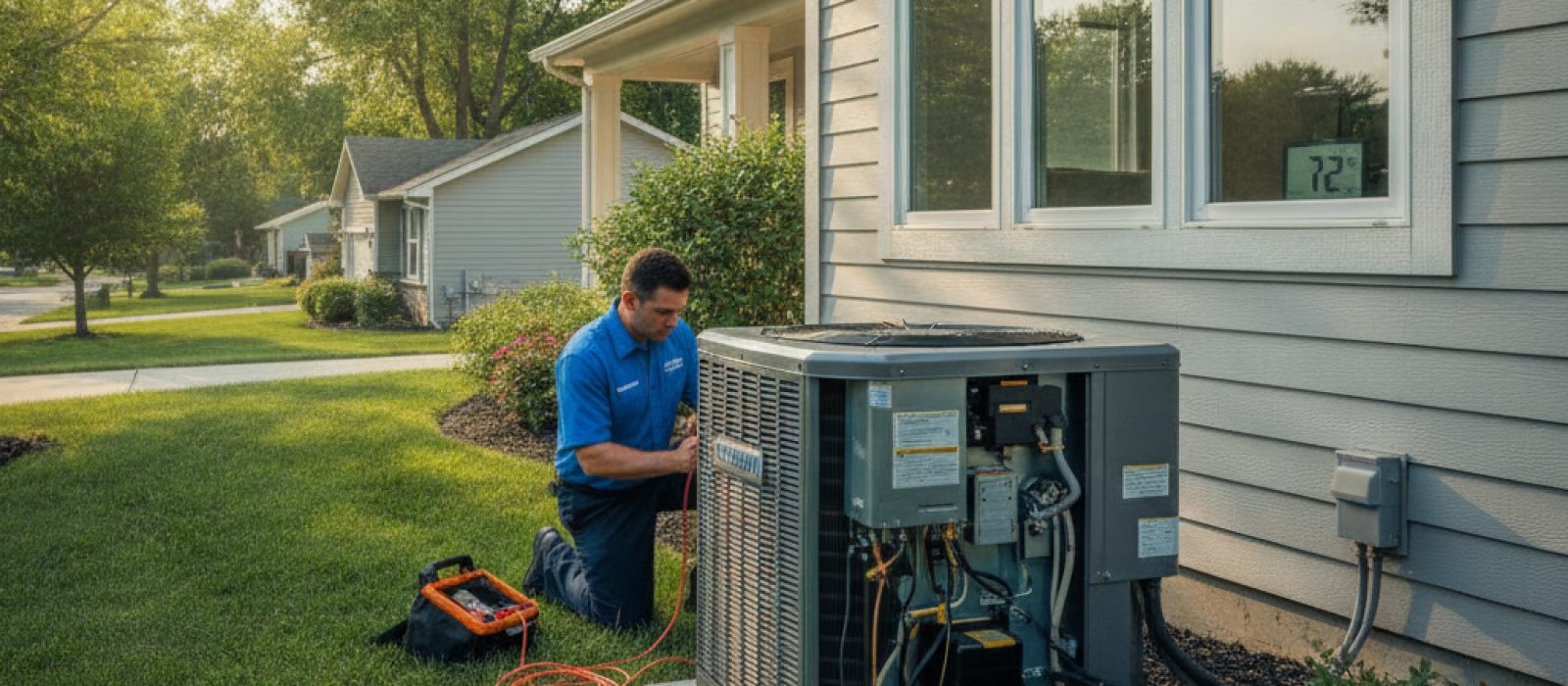
An objective look at Goodman HVAC systems, covering performance, longevity, and what homeowners should know before choosing a budget-friendly cooling solution.
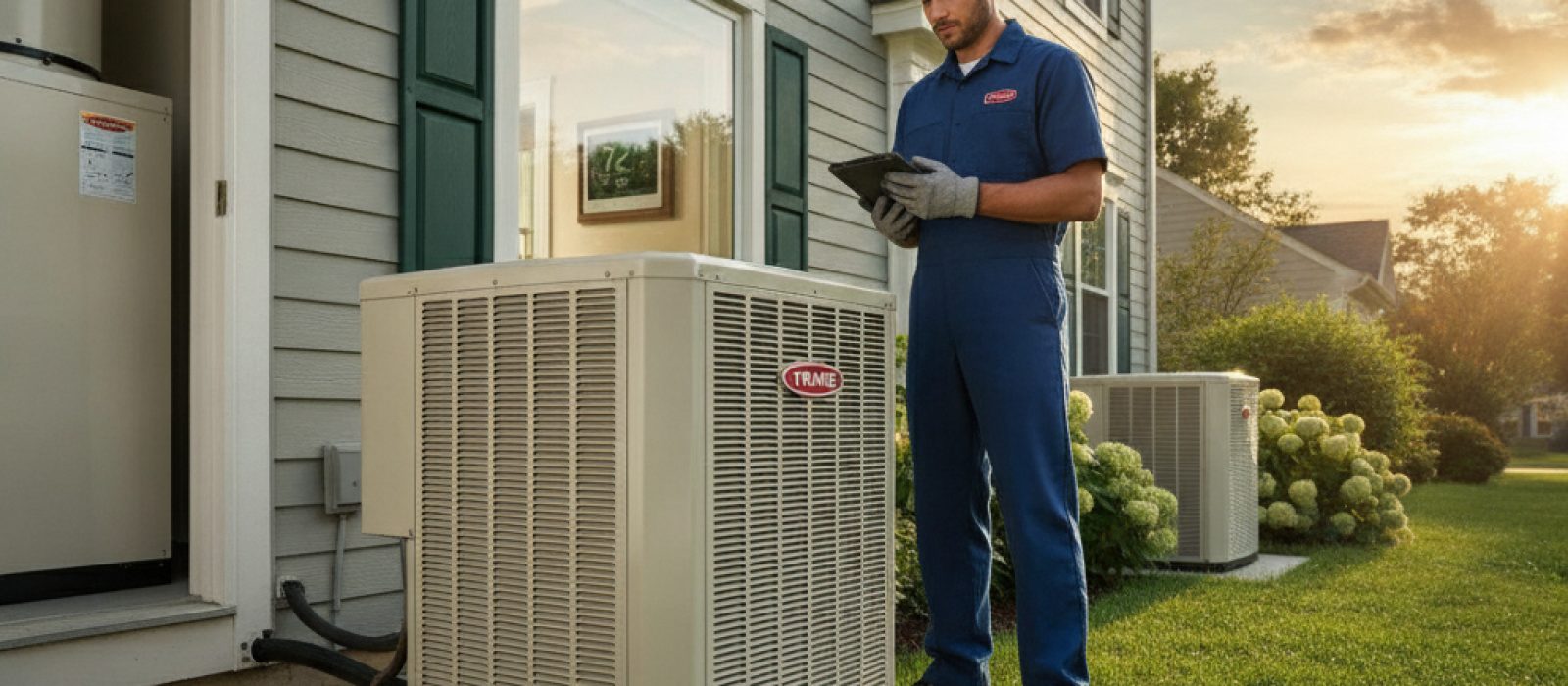
A guide to understanding Trane residential cooling systems, including component integration and maintenance requirements for homeowners.
Be the first to comment.