
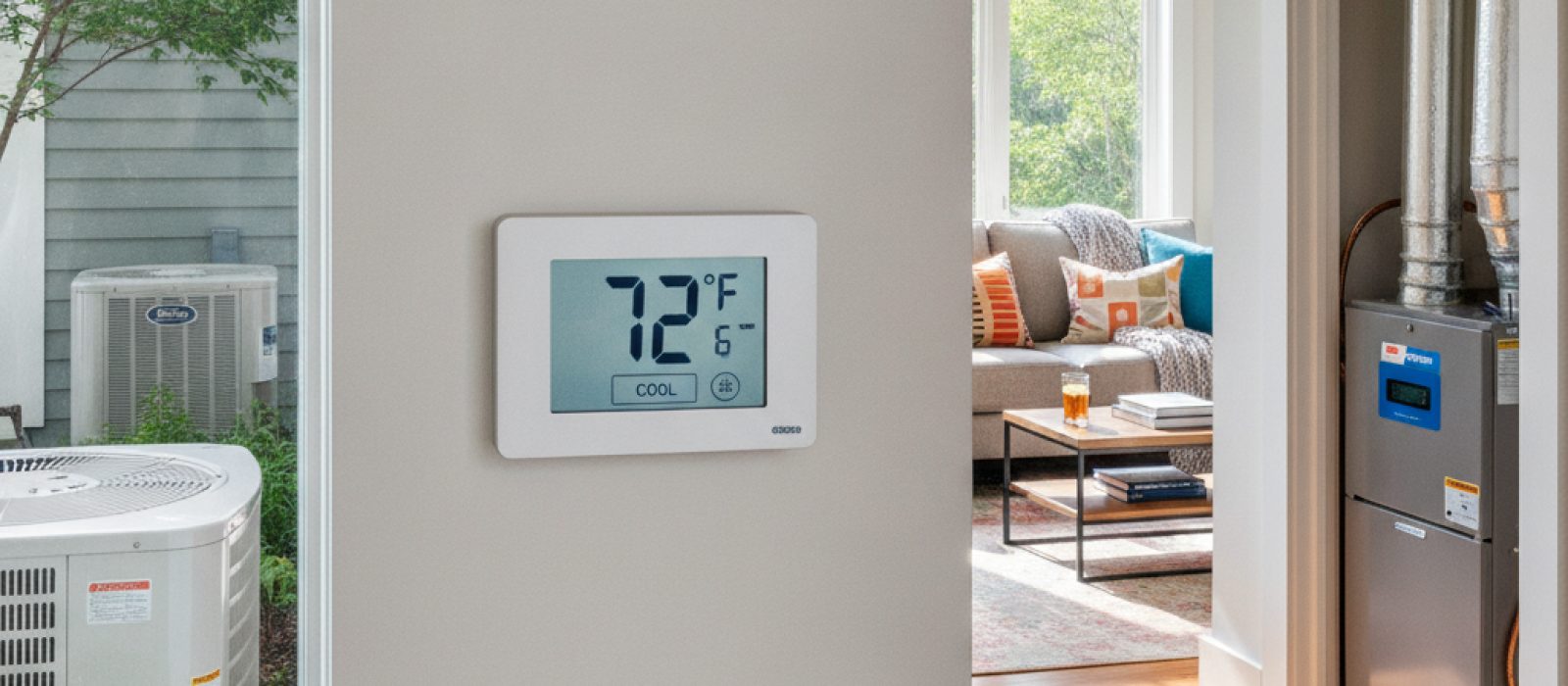
York, Ruud, Bryant and American Standard HVAC: Brand Overview
A guide to understanding the cooling technology and reliability of four major HVAC manufacturers for U.S. homeowners.
3 min read

The primary signs of a bad AC capacitor include an air conditioner that struggles to start, a humming sound coming from the outdoor unit without the fan spinning, the system blowing warm air, or an AC unit that shuts off unexpectedly. Because the capacitor acts as the 'battery' that provides the initial jolt of electricity to start your compressor and fan motors, its failure effectively prevents your cooling system from functioning.
Your air conditioning system relies on a capacitor to provide the necessary surge of power to jump-start the motors. Think of it like a battery that stores energy and releases it in a powerful burst. Without this boost, the motors inside your outdoor unit may be unable to overcome the mechanical resistance required to begin spinning. Over time, these components naturally degrade due to heat, usage, and environmental factors, making failure a common maintenance issue.
If you suspect your cooling system is failing, look for these specific indicators:
Capacitors are sensitive electronic components that operate under high stress. Several factors contribute to their premature failure:
If you identify these symptoms, it is important to act quickly. Running an AC with a failing capacitor can lead to secondary damage, such as burning out the compressor motor, which is a significantly more expensive repair. Because capacitors hold a dangerous electrical charge even after the power is turned off, this is not a recommended DIY project for most homeowners. Contact a licensed HVAC professional to safely inspect and replace the faulty component. Regular annual maintenance can also help technicians identify a weakening capacitor before it fails completely during a heatwave.
A guide to understanding the cooling technology and reliability of four major HVAC manufacturers for U.S. homeowners.
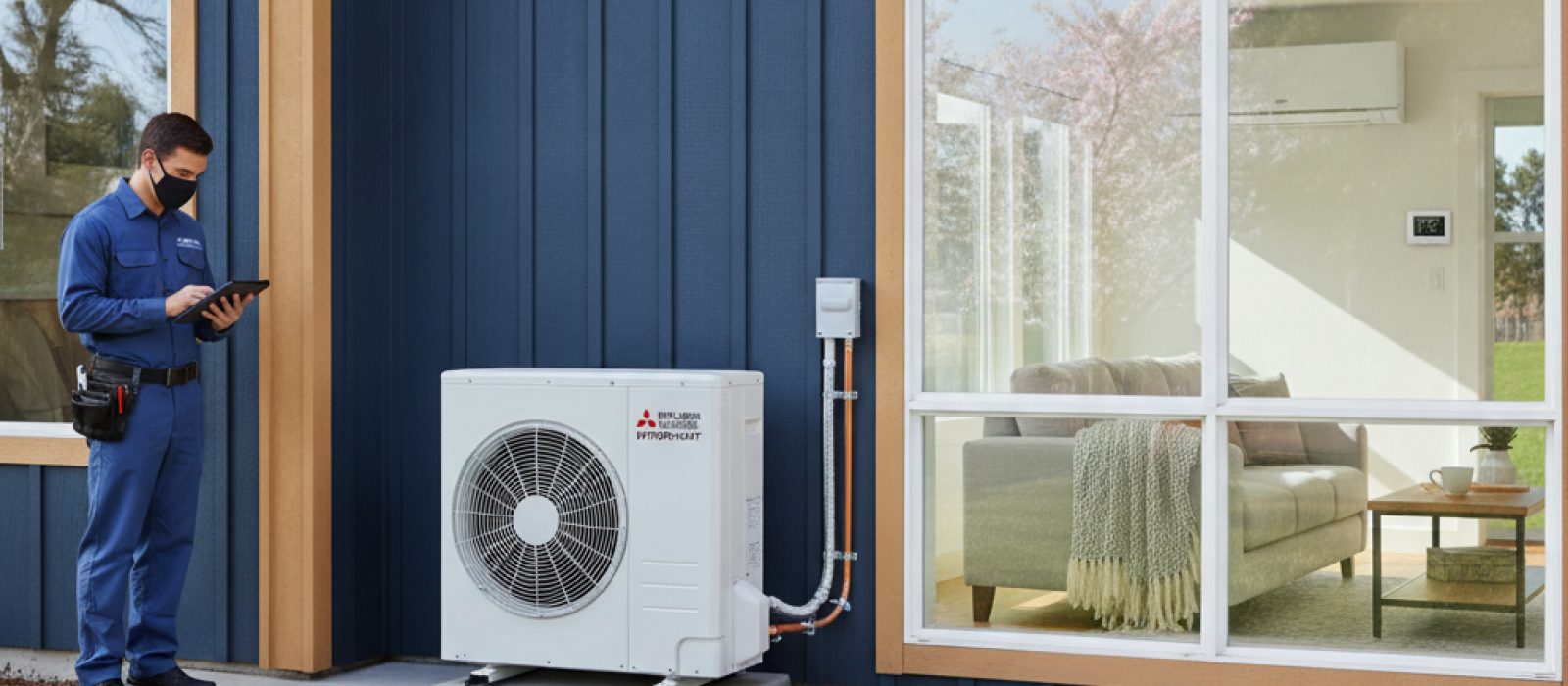
A comprehensive look at Mitsubishi mini-split technology and Hyper-Heat performance for year-round climate control in U.S. homes.
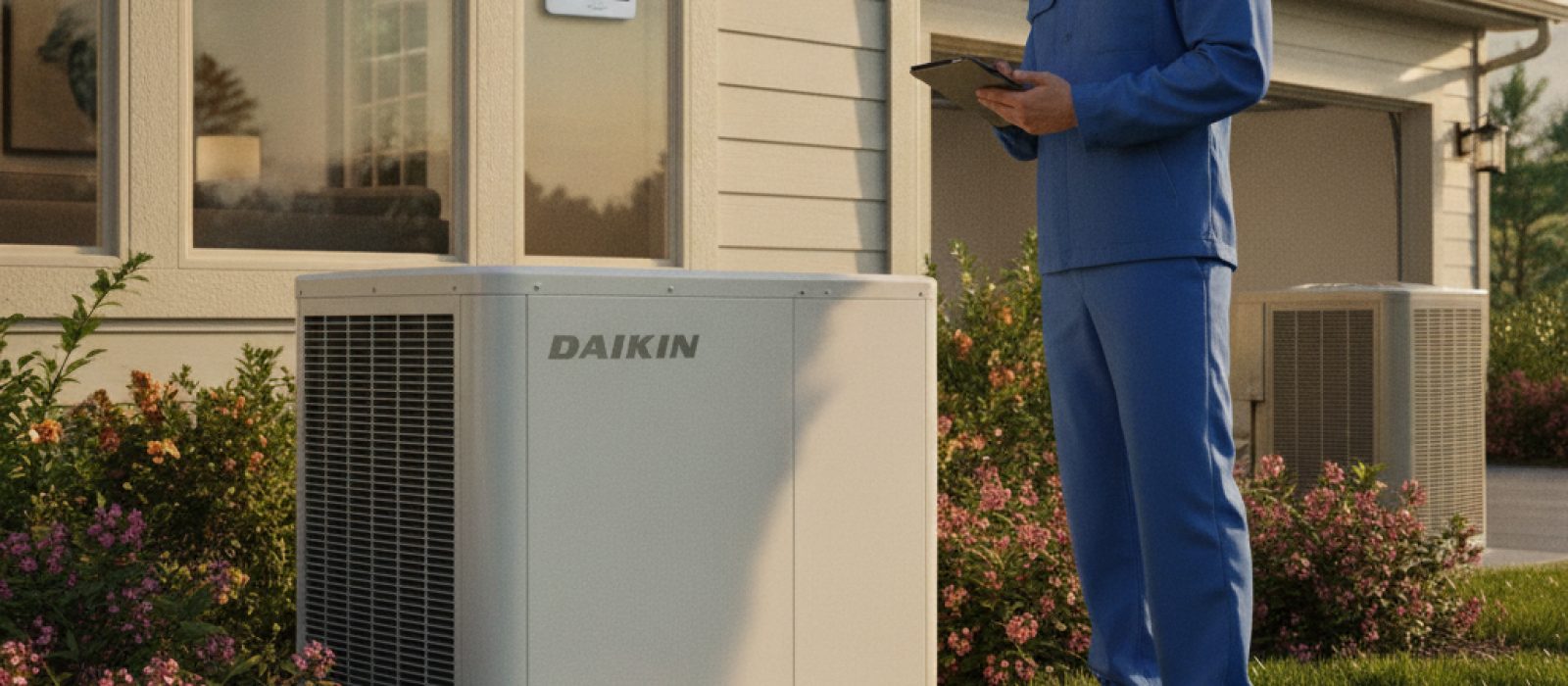
A comprehensive guide to understanding Daikin HVAC systems, including model tiers, standard maintenance requirements, and factory warranty coverage.
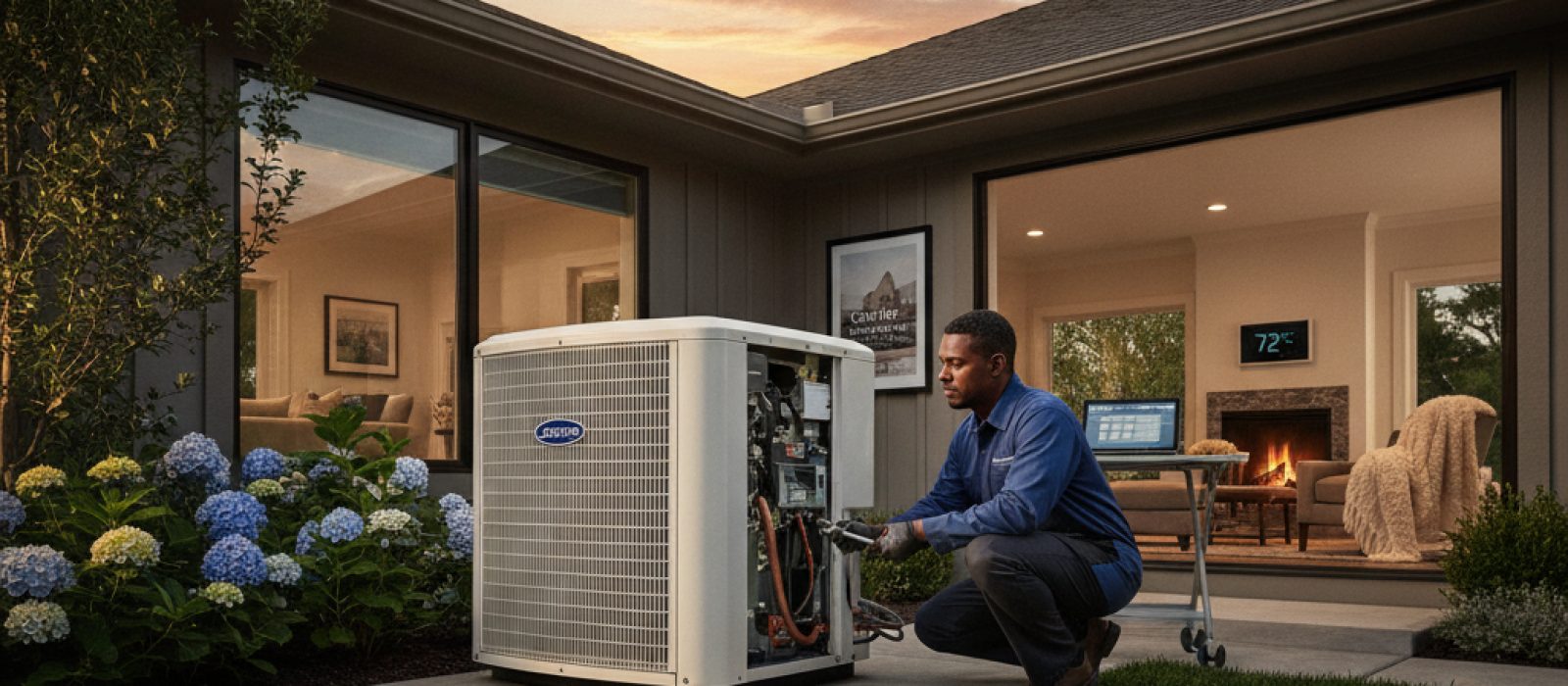
A comprehensive guide to understanding Carrier air conditioning systems, efficiency ratings, installation factors, and maintenance requirements.
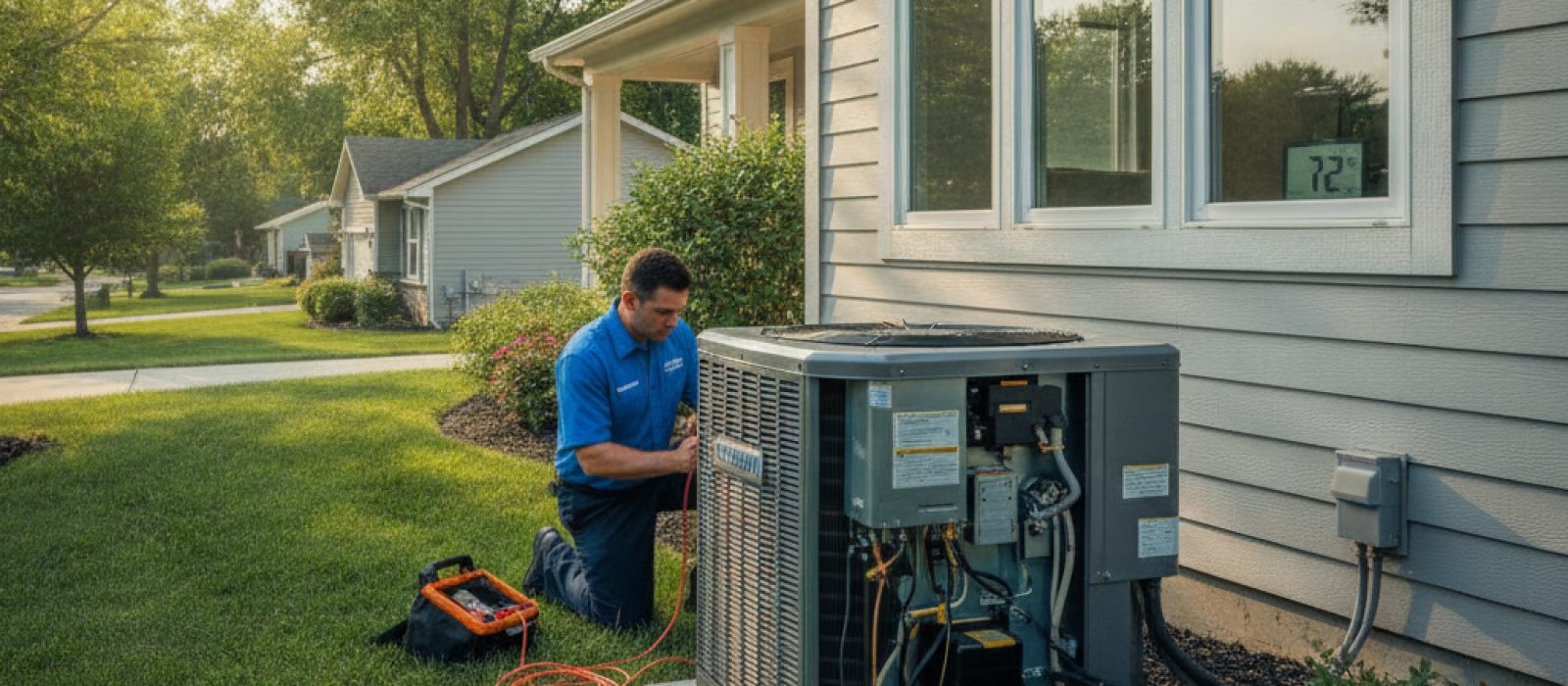
An objective look at Goodman HVAC systems, covering performance, longevity, and what homeowners should know before choosing a budget-friendly cooling solution.
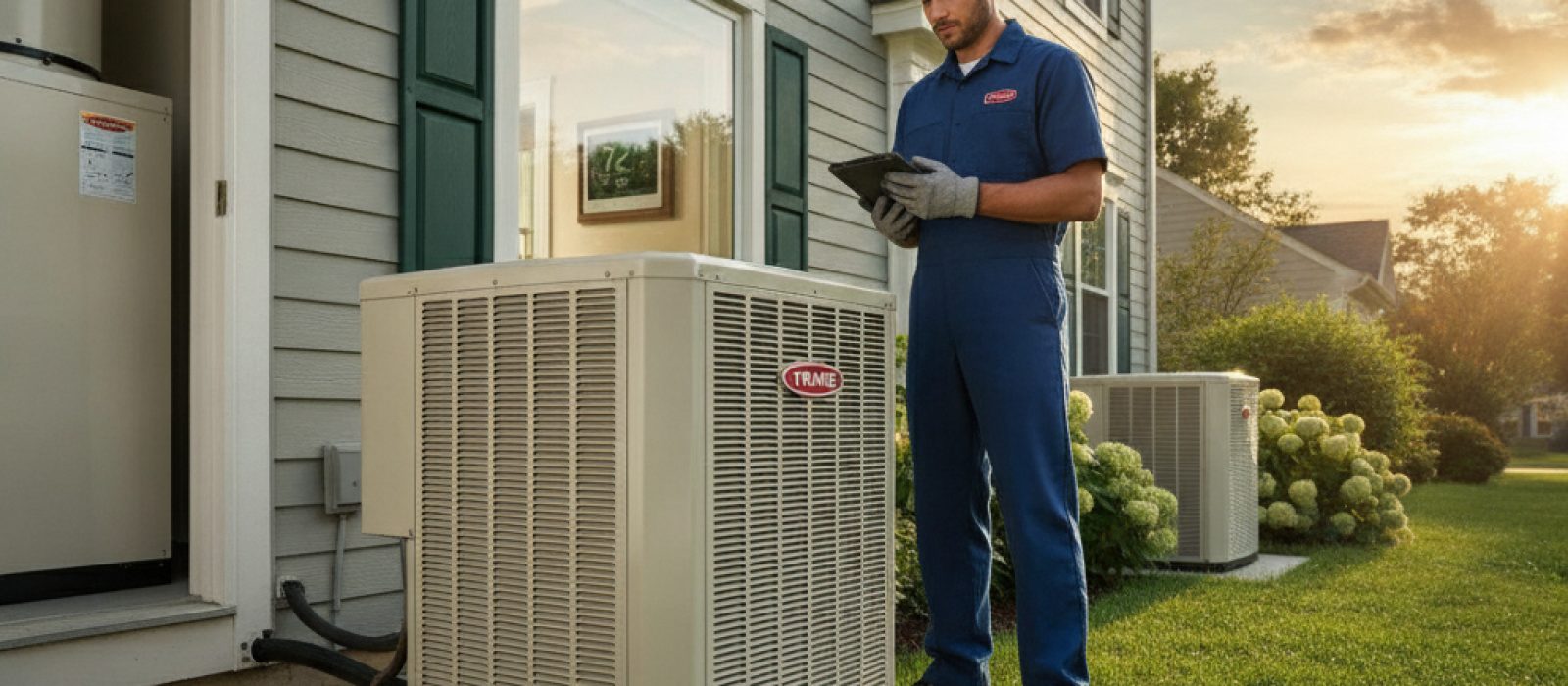
A guide to understanding Trane residential cooling systems, including component integration and maintenance requirements for homeowners.
Be the first to comment.