
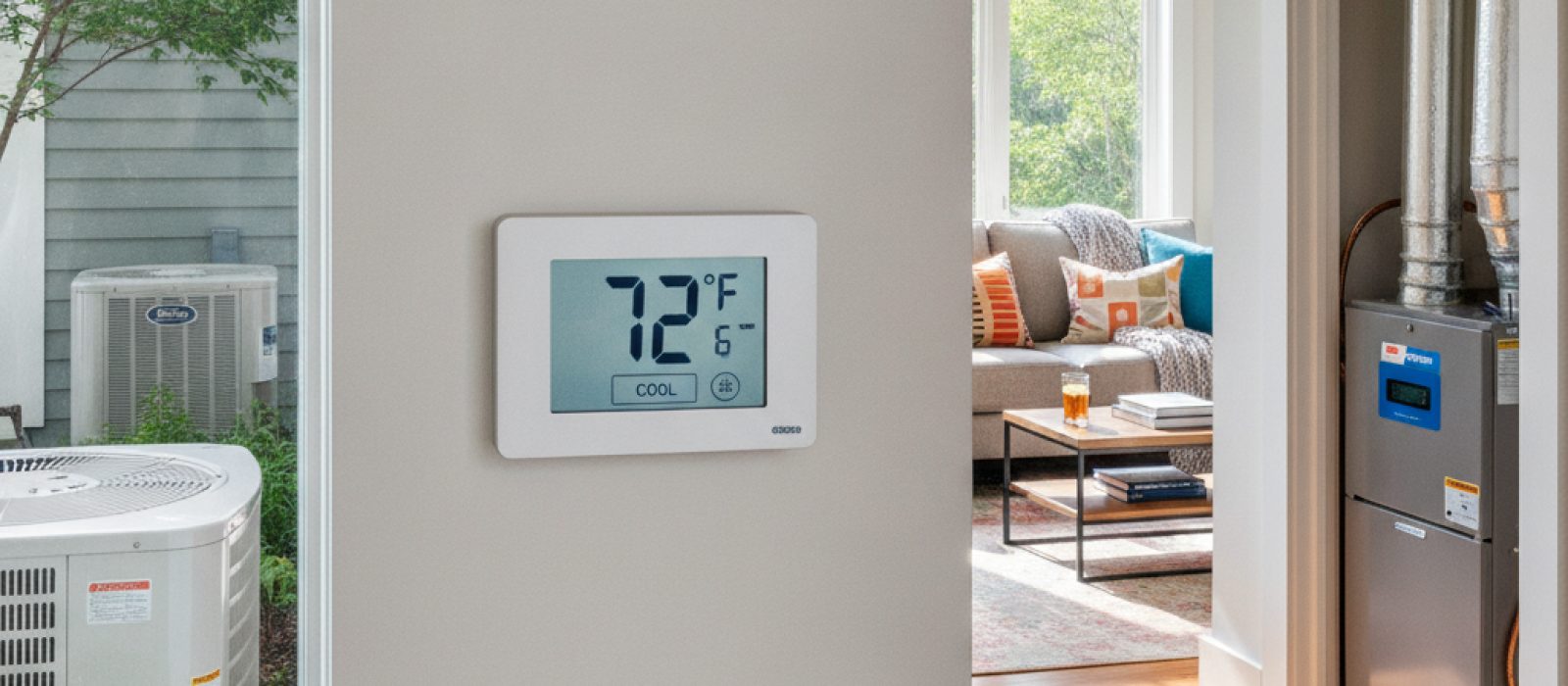
York, Ruud, Bryant and American Standard HVAC: Brand Overview
A guide to understanding the cooling technology and reliability of four major HVAC manufacturers for U.S. homeowners.
4 min read

If you're considering a new air conditioning system for your home, you've probably encountered terms like SEER or SEER2. While they sound technical, understanding SEER2 is actually quite straightforward and incredibly important for your wallet and comfort. SEER2 stands for Seasonal Energy Efficiency Ratio 2, and it's a rating system used to measure the energy efficiency of air conditioners and heat pumps.
Think of it like miles per gallon for your car. A higher MPG means your car uses less fuel to travel the same distance. Similarly, a higher SEER2 rating means your AC unit uses less electricity to provide the same amount of cooling. This translates directly into lower energy bills for you, especially during those hot summer months.
You might be wondering why there's a '2' at the end. The SEER2 standard was introduced by the Department of Energy (DOE) in 2023, updating the previous SEER rating system. The primary reason for this change was to create a more accurate and realistic representation of an AC unit's efficiency under actual operating conditions. The tests for SEER2 are more stringent, incorporating factors like external static pressure, which better simulates the real-world resistance an AC unit encounters in a home's ductwork.
This means that while a SEER13 unit might have been considered efficient in the past, its equivalent SEER2 rating would be slightly lower, not because the unit itself changed, but because the testing methodology became stricter. The minimum SEER2 rating for new AC installations varies by region in the U.S., with northern states having a lower minimum than southern states due to differing cooling demands.
Understanding SEER2 isn't just about technical jargon; it has direct benefits for you as a homeowner:
When you're shopping for a new AC, you'll see units with various SEER2 ratings, typically ranging from the minimum allowed (e.g., 13.4-14.3 depending on region) up to 20 or even higher for premium models. Here's what to keep in mind:
While SEER2 is a critical metric, it's not the only factor determining your home's overall cooling efficiency and comfort:
Choosing a new air conditioning system is a significant investment. By understanding SEER2, you're better equipped to make a decision that benefits your comfort, your budget, and the environment. Don't hesitate to discuss SEER2 ratings and other efficiency factors with your trusted HVAC professional. They can assess your home's unique needs, explain the regional minimums, and recommend the best system to keep you cool and comfortable for years to come.
A guide to understanding the cooling technology and reliability of four major HVAC manufacturers for U.S. homeowners.
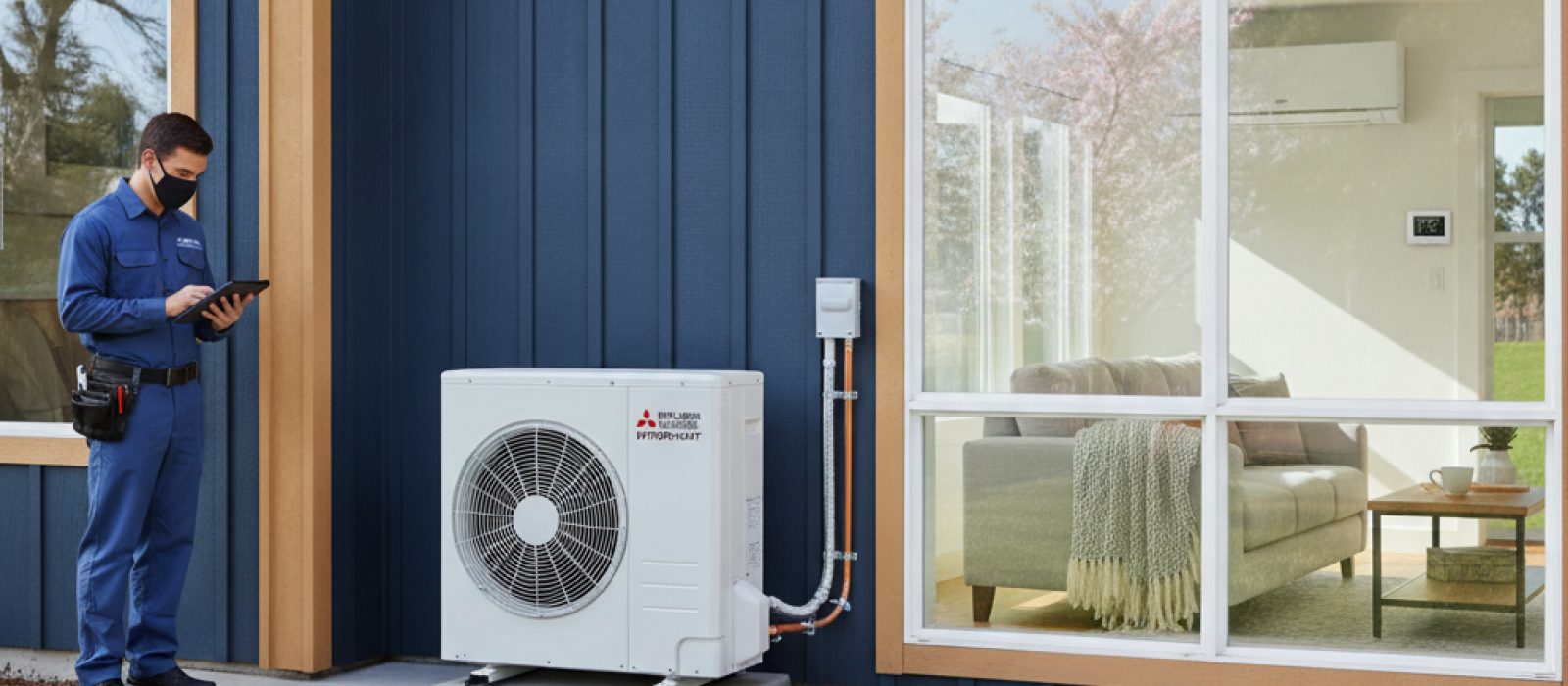
A comprehensive look at Mitsubishi mini-split technology and Hyper-Heat performance for year-round climate control in U.S. homes.
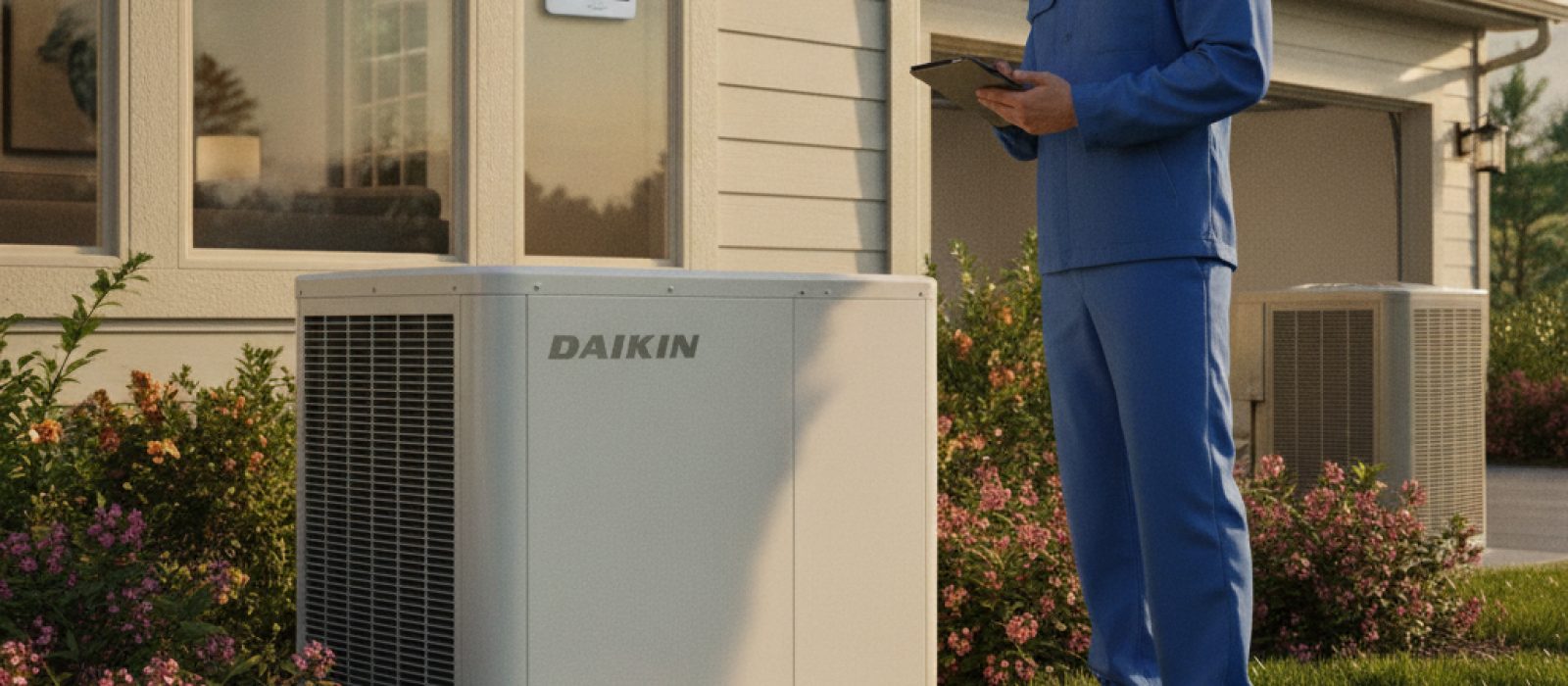
A comprehensive guide to understanding Daikin HVAC systems, including model tiers, standard maintenance requirements, and factory warranty coverage.
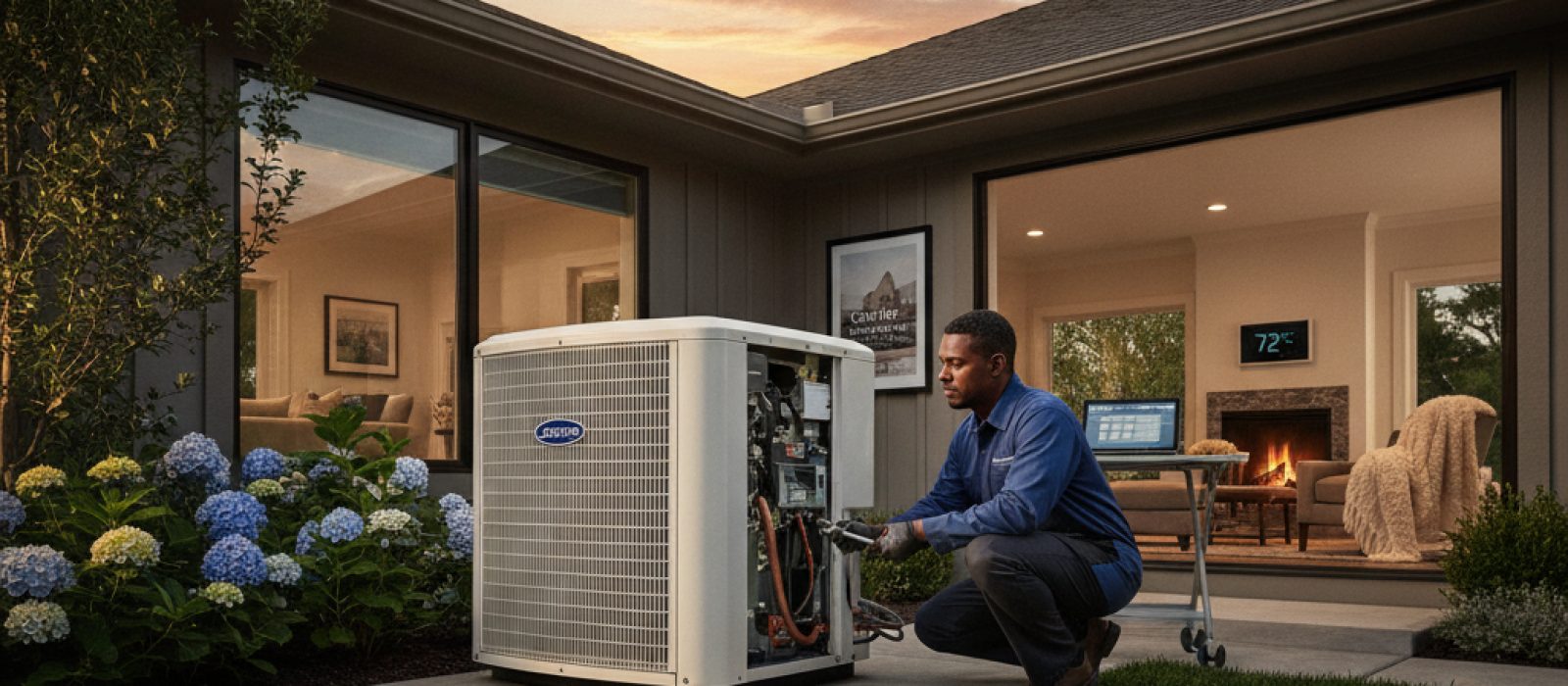
A comprehensive guide to understanding Carrier air conditioning systems, efficiency ratings, installation factors, and maintenance requirements.
An objective look at Goodman HVAC systems, covering performance, longevity, and what homeowners should know before choosing a budget-friendly cooling solution.
A guide to understanding Trane residential cooling systems, including component integration and maintenance requirements for homeowners.
Be the first to comment.