
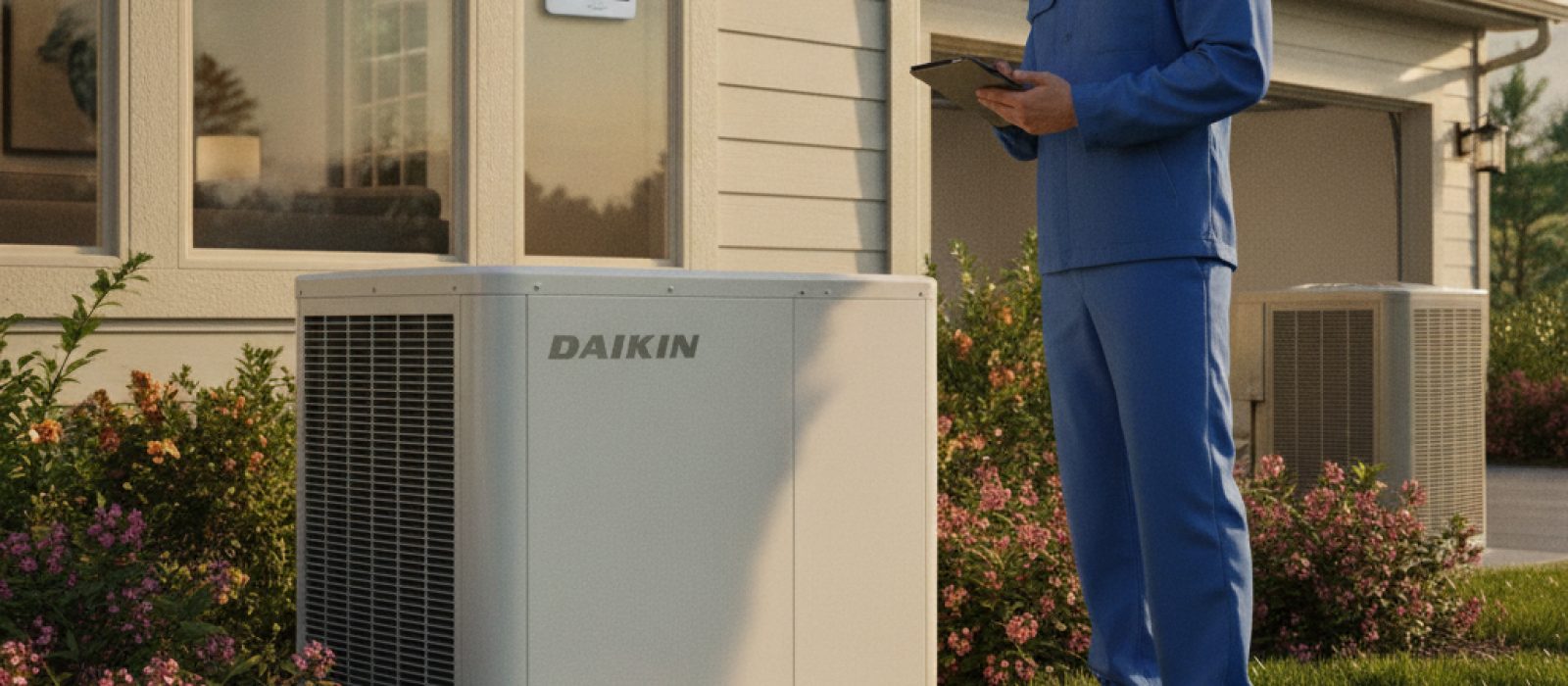
Daikin Air Conditioners and Heat Pumps: Models, Repair and Warranty
A comprehensive guide to understanding Daikin HVAC systems, including model tiers, standard maintenance requirements, and factory warranty coverage.
4 min read

In the intense heat of a Phoenix summer, air conditioning systems are pushed to their physical limits. Homeowners often worry when they notice their AC units running for extended periods, wondering if a long cycle indicates a mechanical failure or simply the reality of extreme outdoor temperatures. This guide explains the factors influencing runtime and identifies when a system is performing as expected versus when it requires professional intervention.
An air conditioner does not operate on a fixed timer; it runs based on the heat load of the home. When outdoor temperatures climb into the triple digits, the temperature differential between the interior and exterior is massive. The system must work harder and longer to extract heat from the home to maintain a set temperature.
During the peak of a Phoenix summer, it is common for a properly functioning air conditioner to run for extended periods, or even continuously, during the hottest hours of the day. If the indoor temperature remains steady or slowly reaches the set point, the system is likely doing exactly what it was designed to do: rejecting heat from the structure.
If the system is keeping the home comfortable despite the high outdoor heat, it is often a sign that the equipment is maintaining a balance. Continuous operation is more efficient than frequent cycling on and off, as the initial start-up draws the most electrical power and places the most stress on the compressor and fan motors.
While long runtimes are expected in desert climates, specific signs indicate that the system is struggling due to a defect rather than just environmental load. If the system runs constantly but the indoor temperature continues to rise during the day, there is an underlying issue.
If the air coming from the vents feels weak, the first step is to check the air filter. A clogged filter restricts the volume of air moving across the evaporator coil. If the coil itself is dirty, it cannot absorb heat effectively. Regular Maintenance and Tune-up visits are the most effective way to prevent these obstructions from hindering system performance.
If the air blowing from the vents is not cool, or if the unit makes unusual grinding or humming noises, the issue may be internal. Low refrigerant levels, a failing capacitor, or a worn-out contactor can cause the unit to run inefficiently. These components require specialized tools and training; homeowners should not attempt to access refrigerant lines or high-voltage electrical panels. These tasks must be handled by a licensed professional who can provide safe AC Services.
To reduce the strain on your cooling system, focus on minimizing the heat load inside the home. Keep blinds closed during the day to prevent solar heat gain, and avoid using heat-generating appliances like ovens or dryers during the peak afternoon hours.
If your home consistently feels humid or uncomfortable despite the AC running, consider evaluating your Indoor Air Quality. High humidity can make the indoor environment feel warmer than it actually is, leading residents to lower the thermostat further, which adds unnecessary stress to the cooling equipment. Additionally, ensuring that your Thermostat Services are up to date—such as using a programmable or smart thermostat—can help manage cooling loads more effectively throughout the day.
If the unit is running constantly and failing to maintain the desired indoor temperature, a diagnostic evaluation is necessary. A technician will check the refrigerant pressures, inspect the electrical system, and verify that the ductwork is not leaking conditioned air into the attic or crawlspace. If you suspect your ductwork is compromised, professional Ductwork Services can identify leaks that are forcing your AC to work harder than necessary to compensate for lost cool air.
A comprehensive guide to understanding Daikin HVAC systems, including model tiers, standard maintenance requirements, and factory warranty coverage.
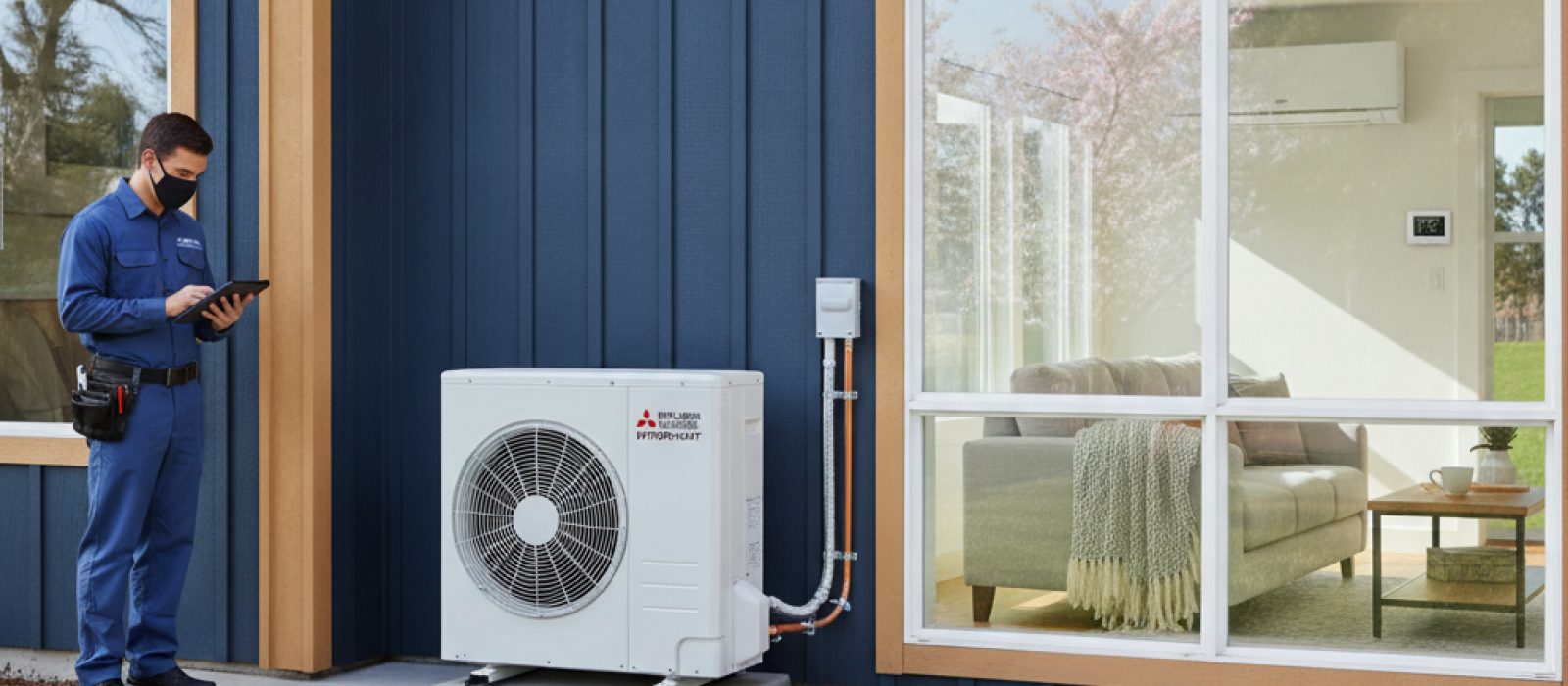
A comprehensive look at Mitsubishi mini-split technology and Hyper-Heat performance for year-round climate control in U.S. homes.
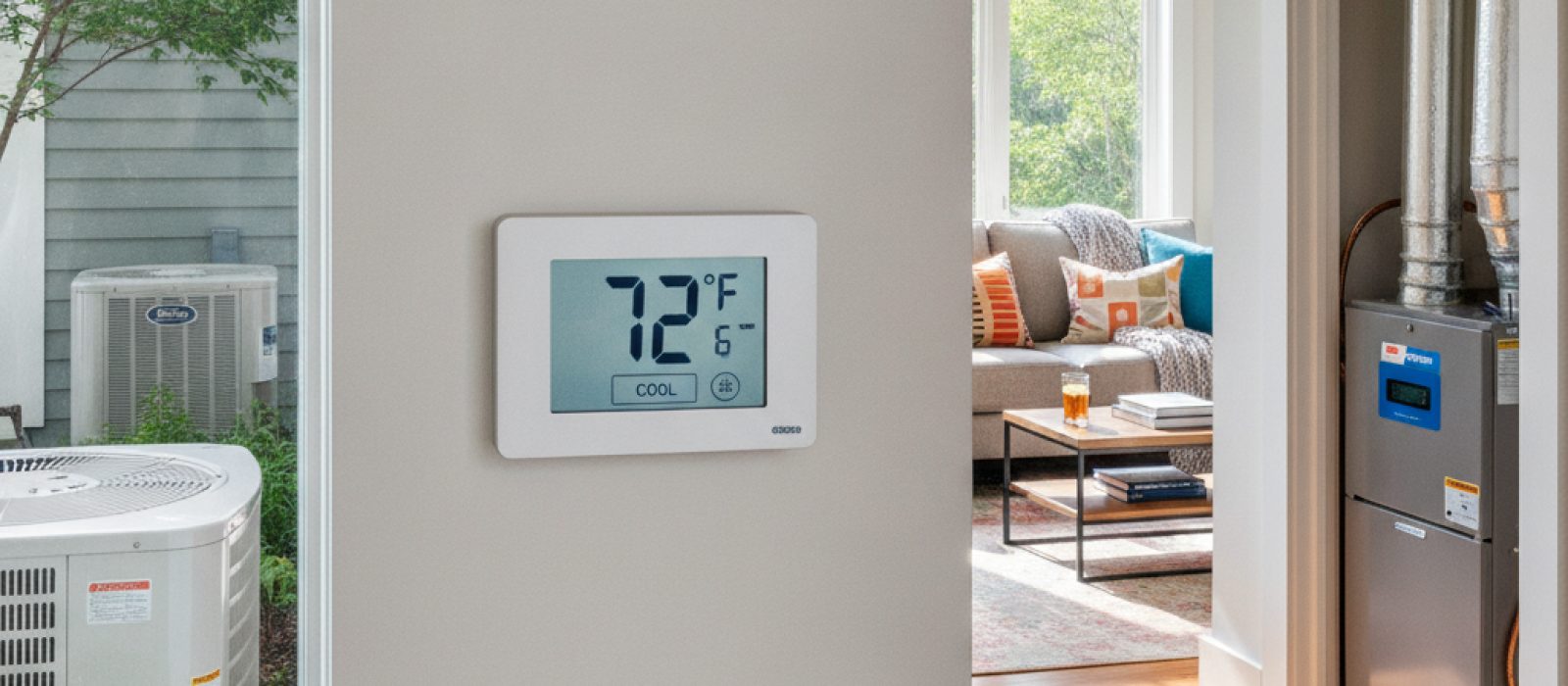
A guide to understanding the cooling technology and reliability of four major HVAC manufacturers for U.S. homeowners.
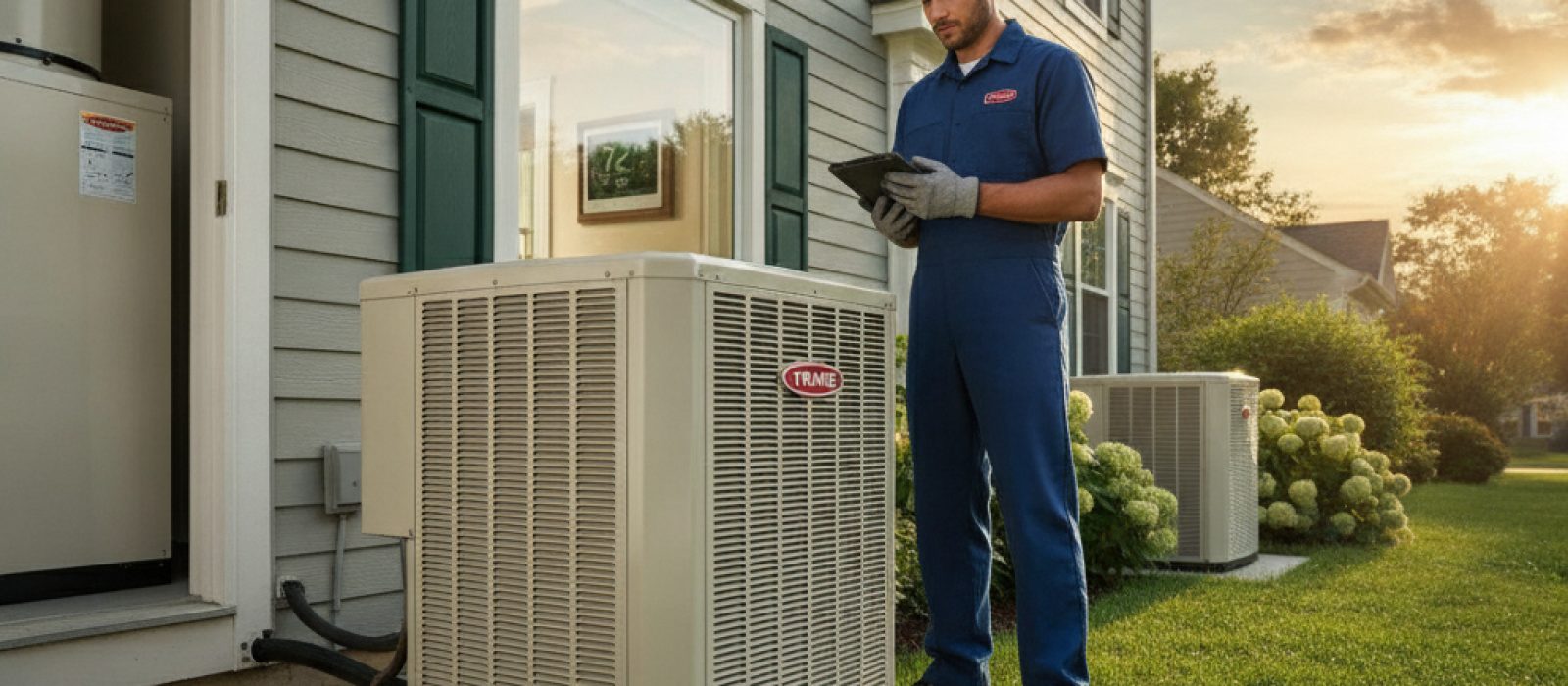
A guide to understanding Trane residential cooling systems, including component integration and maintenance requirements for homeowners.
A comprehensive guide to understanding Carrier air conditioning systems, efficiency ratings, installation factors, and maintenance requirements.
An objective look at Goodman HVAC systems, covering performance, longevity, and what homeowners should know before choosing a budget-friendly cooling solution.
Be the first to comment.