
York, Ruud, Bryant and American Standard HVAC: Brand Overview
A guide to understanding the cooling technology and reliability of four major HVAC manufacturers for U.S. homeowners.
3 min read

Arizona monsoon season brings more than just rain; it delivers high-velocity winds and dense haboobs that can compromise residential cooling equipment. When fine particulate matter enters an outdoor condenser unit, it coats the internal coils, restricting airflow and insulating the metal surfaces. This prevents the system from effectively releasing heat, forcing the compressor to work harder, run longer, and consume more energy to achieve the same cooling effect.
Beyond the coils, dust accumulation can infiltrate the electrical components and fan motor housing. While these systems are designed to operate outdoors, the sheer volume of silt and debris characteristic of desert storms can lead to premature wear on bearings and electrical contacts. Proactive measures before the storm season begins are essential to ensure system longevity.
Before the first storm rolls in, performing a thorough visual inspection is a vital step. Ensure that the area around your outdoor unit is clear of loose debris, such as dry leaves or unsecured yard items, which could become projectiles during high winds. Securing the perimeter of the unit helps prevent larger debris from being sucked into the intake fins during a storm.
Scheduling a professional Maintenance & Tune-up is the most effective way to prepare for the season. A technician will clear out existing debris, check electrical connections, and ensure the system is running at optimal pressure. This service provides a clean baseline, ensuring that any dust accumulation during the season is manageable rather than a compounding issue.
Dust storms do not just affect the outdoor unit; they significantly impact Indoor Air Quality. As fine dust particles are pulled through the HVAC system, they settle in the ductwork and clog air filters rapidly. During the monsoon, homeowners should check air filters more frequently than usual. If a filter becomes obstructed, the system may struggle to pull air, leading to frozen evaporator coils.
Consider upgrading to high-efficiency pleated filters during the monsoon months to better capture fine desert dust. If the system has been exposed to heavy dust infiltration, professional Air Duct Cleaning may be necessary to remove sediment that has settled in the supply and return vents, preventing it from being recirculated throughout the home.
When a dust storm is imminent, the safest course of action is to turn the thermostat to the 'off' position. This prevents the system from pulling massive amounts of dust-laden air through the condenser coils during the peak of the storm. Once the storm passes and the air quality improves, wait for the dust to settle before turning the system back on to avoid immediately clogging a clean filter.
If the outdoor unit has been subjected to significant dust buildup, you may safely hose off the exterior of the condenser coils with a gentle stream of water. Ensure the power to the unit is disconnected at the local disconnect box before spraying water near electrical components. If the debris is compacted deep within the coils or if the system exhibits signs of strain, such as unusual noises or a failure to cool, contact a professional for AC Services to avoid damaging the delicate aluminum fins.
While temporary covers are sometimes marketed for AC units, they should never be used while the system is running. Using a cover on an active unit causes the system to overheat almost immediately, which can lead to catastrophic compressor failure. Covers should only be used if the unit is completely powered off for an extended period.
For those looking to improve system resilience, professional installation of specialized mesh screens can help filter out larger debris before it reaches the coils. These screens are designed to allow airflow while catching airborne dust and silt. Discussing these options with a technician during your next service visit can help determine if your specific model is compatible with such additions. Keeping the area surrounding the unit clear of vegetation also reduces the amount of organic material that can mix with dust to form a stubborn, insulating sludge on your coils.
A guide to understanding the cooling technology and reliability of four major HVAC manufacturers for U.S. homeowners.
A comprehensive look at Mitsubishi mini-split technology and Hyper-Heat performance for year-round climate control in U.S. homes.
A comprehensive guide to understanding Daikin HVAC systems, including model tiers, standard maintenance requirements, and factory warranty coverage.
A comprehensive guide to understanding Carrier air conditioning systems, efficiency ratings, installation factors, and maintenance requirements.
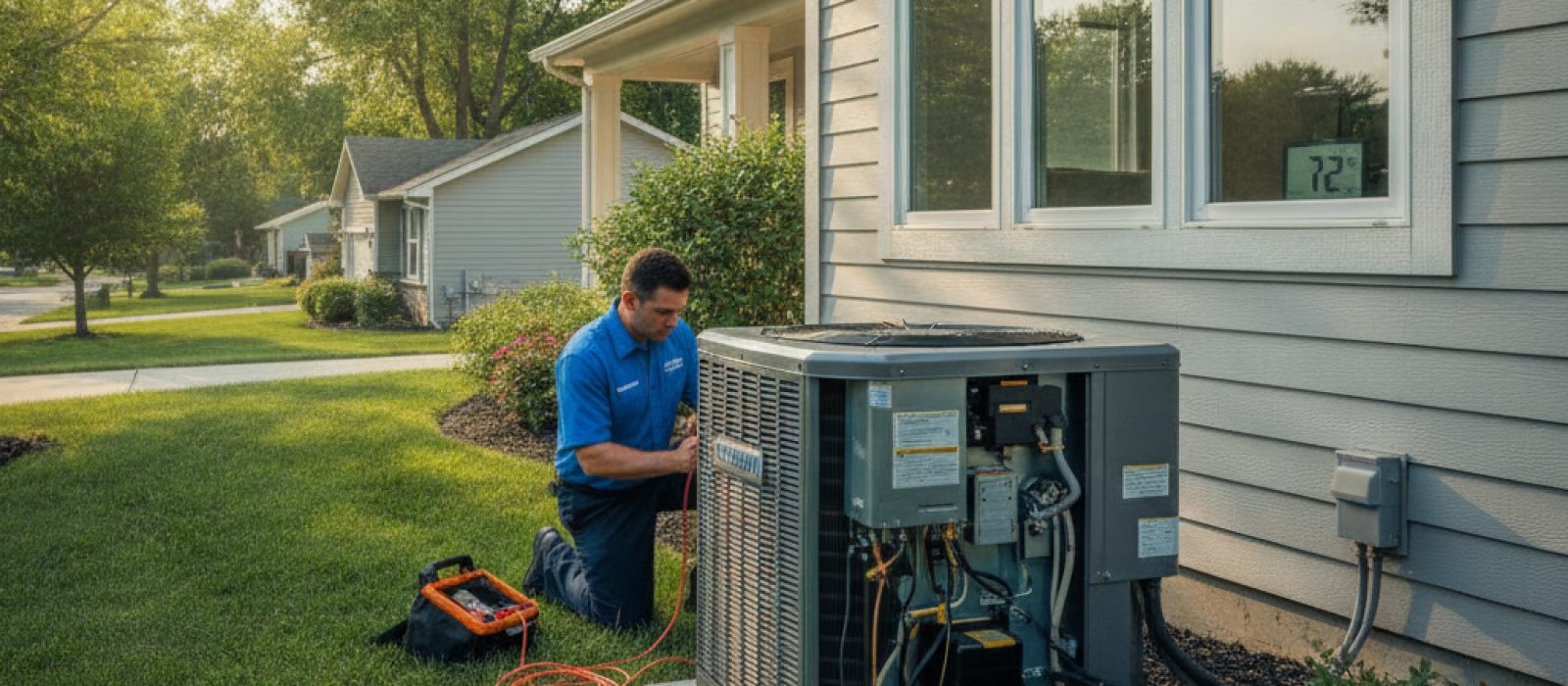
An objective look at Goodman HVAC systems, covering performance, longevity, and what homeowners should know before choosing a budget-friendly cooling solution.
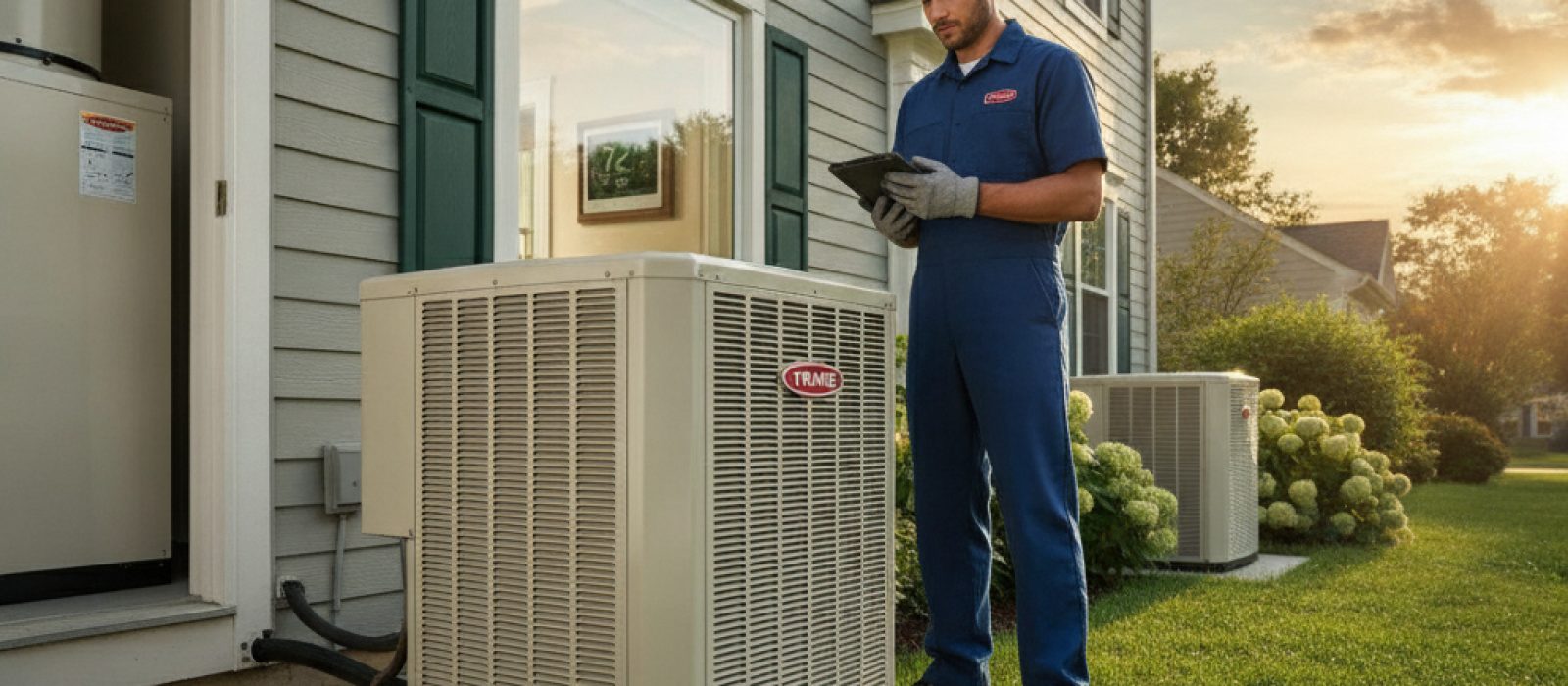
A guide to understanding Trane residential cooling systems, including component integration and maintenance requirements for homeowners.
Be the first to comment.