
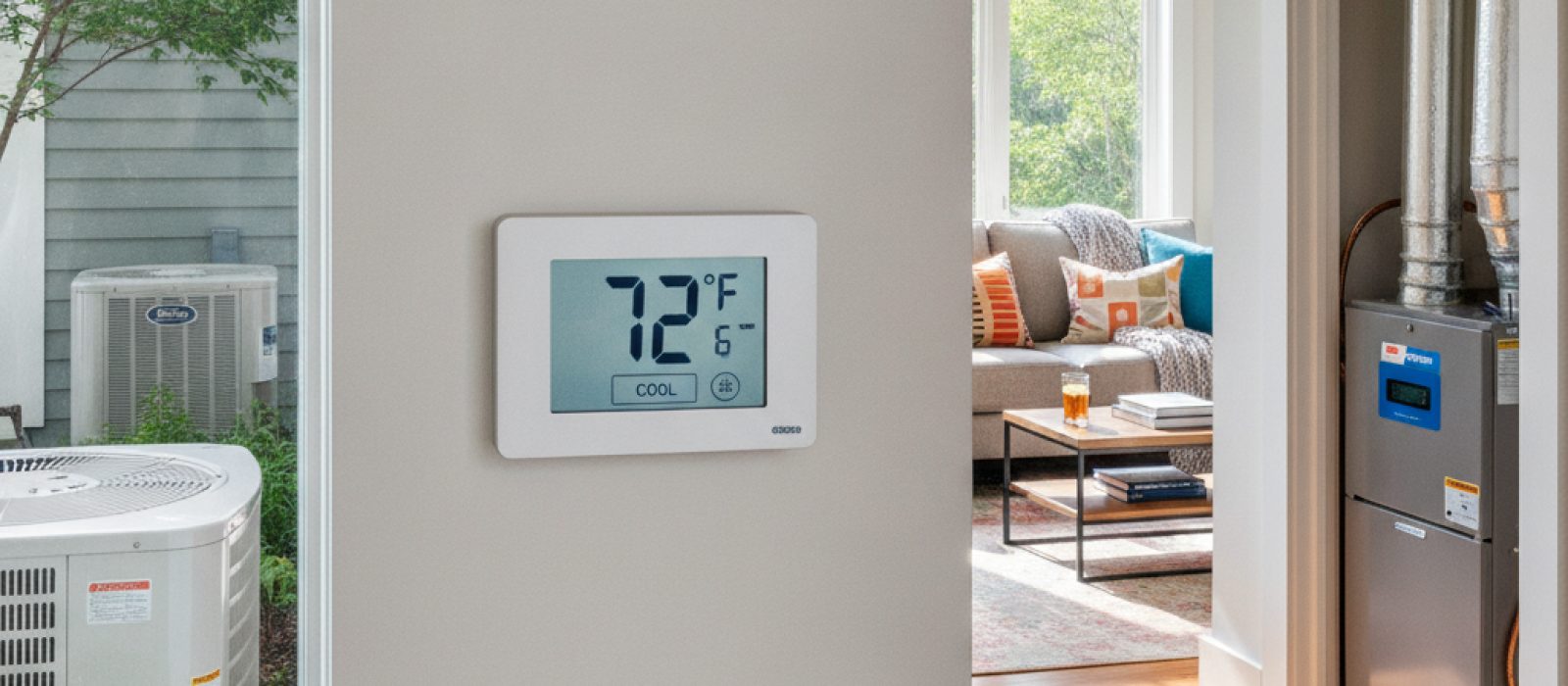
York, Ruud, Bryant and American Standard HVAC: Brand Overview
A guide to understanding the cooling technology and reliability of four major HVAC manufacturers for U.S. homeowners.
3 min read

If you have ever wondered, "is it good to close AC vents in unused rooms," the short answer is no. While it seems logical that stopping airflow to a guest bedroom or a storage space would reduce your energy bill, this practice is a common myth that can actually harm your HVAC system and decrease your overall home comfort. Modern central heating and cooling systems are designed to operate based on the total square footage of your home; disrupting that balance often creates more problems than it solves.
Central HVAC systems rely on a delicate balance of air pressure and volume. When your system is installed, the ductwork is carefully sized to move a specific volume of air throughout the house. When you close a vent, you increase the static pressure within the duct system. This creates a bottleneck that forces your blower motor to work significantly harder to push air against that resistance.
While you might think you are saving money, you are likely incurring costs in other areas:
Your HVAC system is designed to circulate air through the entire home to maintain a consistent temperature and manage humidity levels. By closing off vents, you create "dead zones" where air becomes stagnant. This can lead to hot or cold spots in other parts of the house, forcing your thermostat to run longer cycles to reach the set temperature. Furthermore, if you have a heat pump, restricted airflow can trigger safety sensors that shut the system down entirely to prevent damage, leaving you without climate control when you need it most.
If you are truly concerned about energy efficiency in unoccupied rooms, there are far more effective strategies than closing vents:
Ultimately, your HVAC system is a whole-house appliance. The best way to save money and extend the life of your equipment is to allow it to function exactly as it was designed—with all vents open and air circulating freely.
A guide to understanding the cooling technology and reliability of four major HVAC manufacturers for U.S. homeowners.
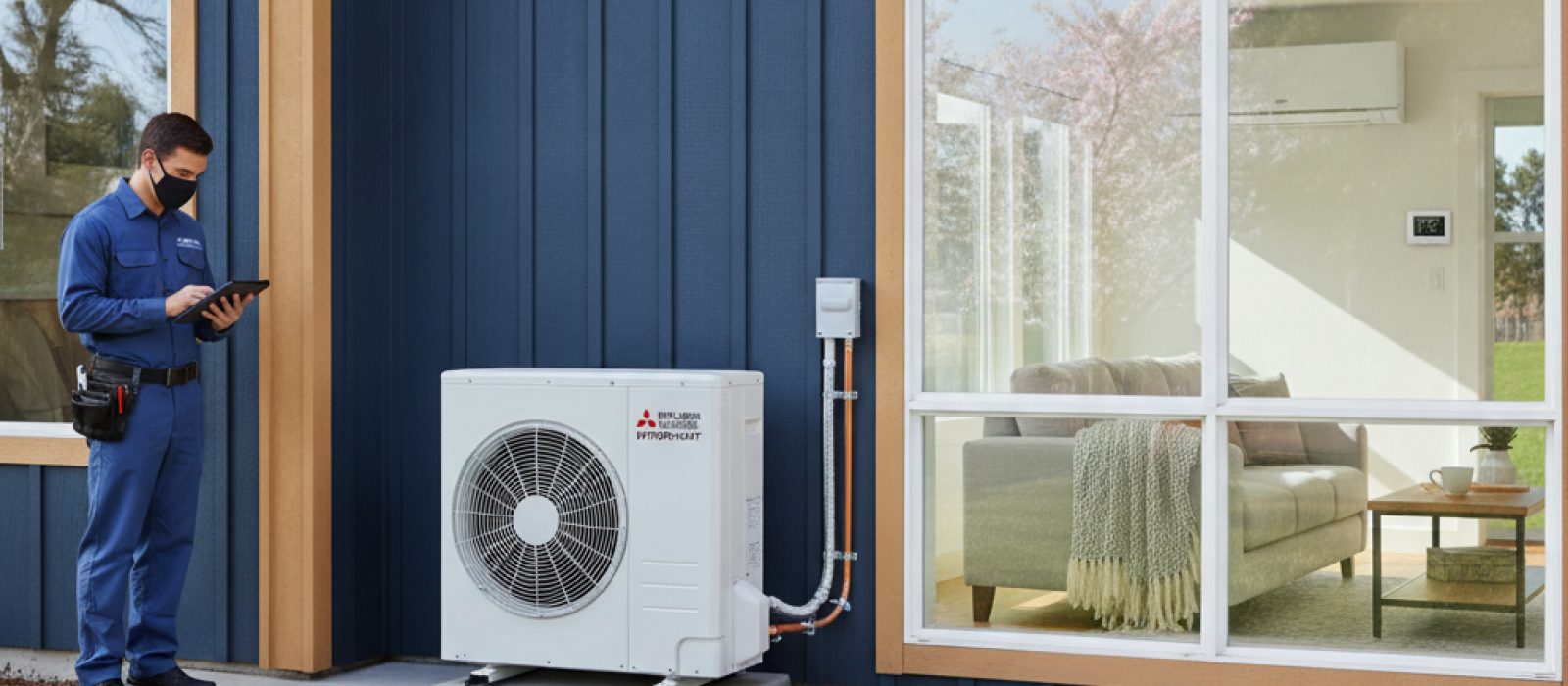
A comprehensive look at Mitsubishi mini-split technology and Hyper-Heat performance for year-round climate control in U.S. homes.
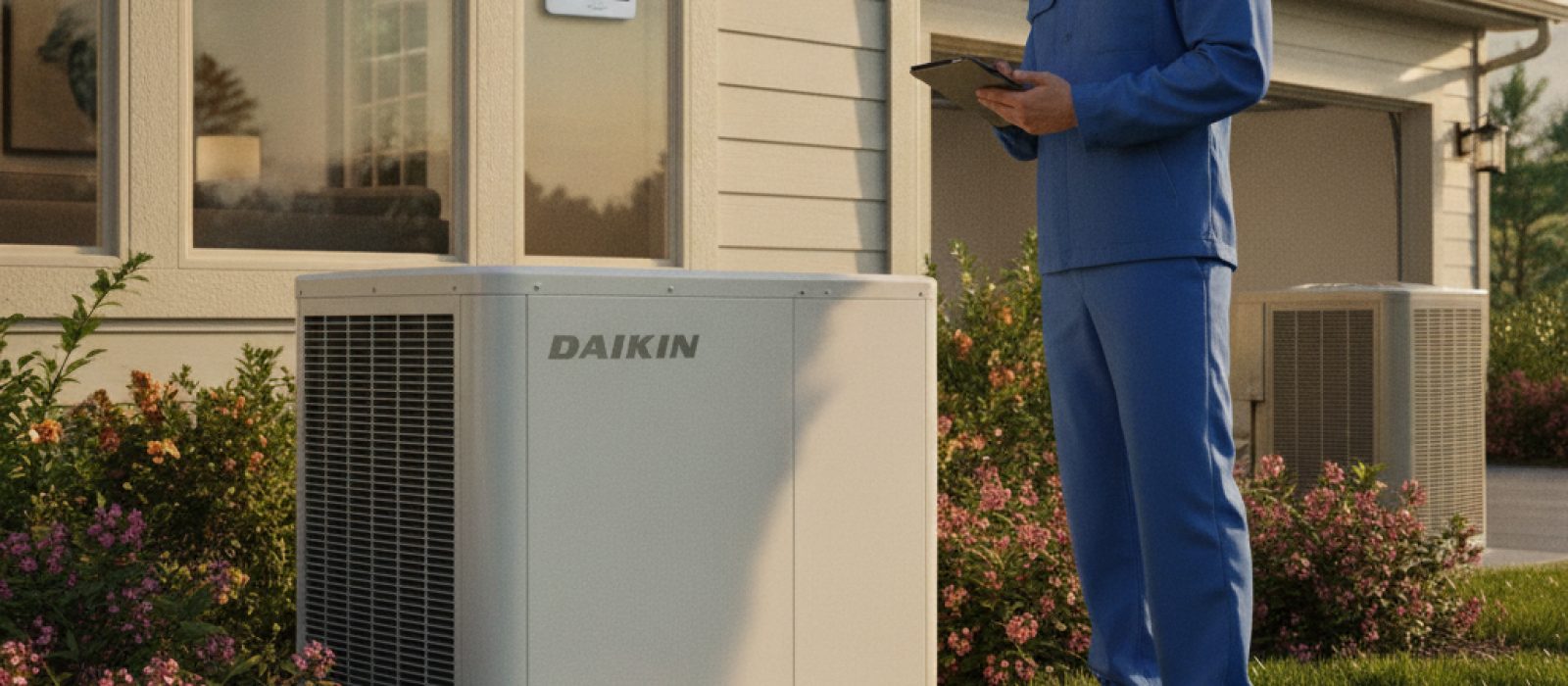
A comprehensive guide to understanding Daikin HVAC systems, including model tiers, standard maintenance requirements, and factory warranty coverage.
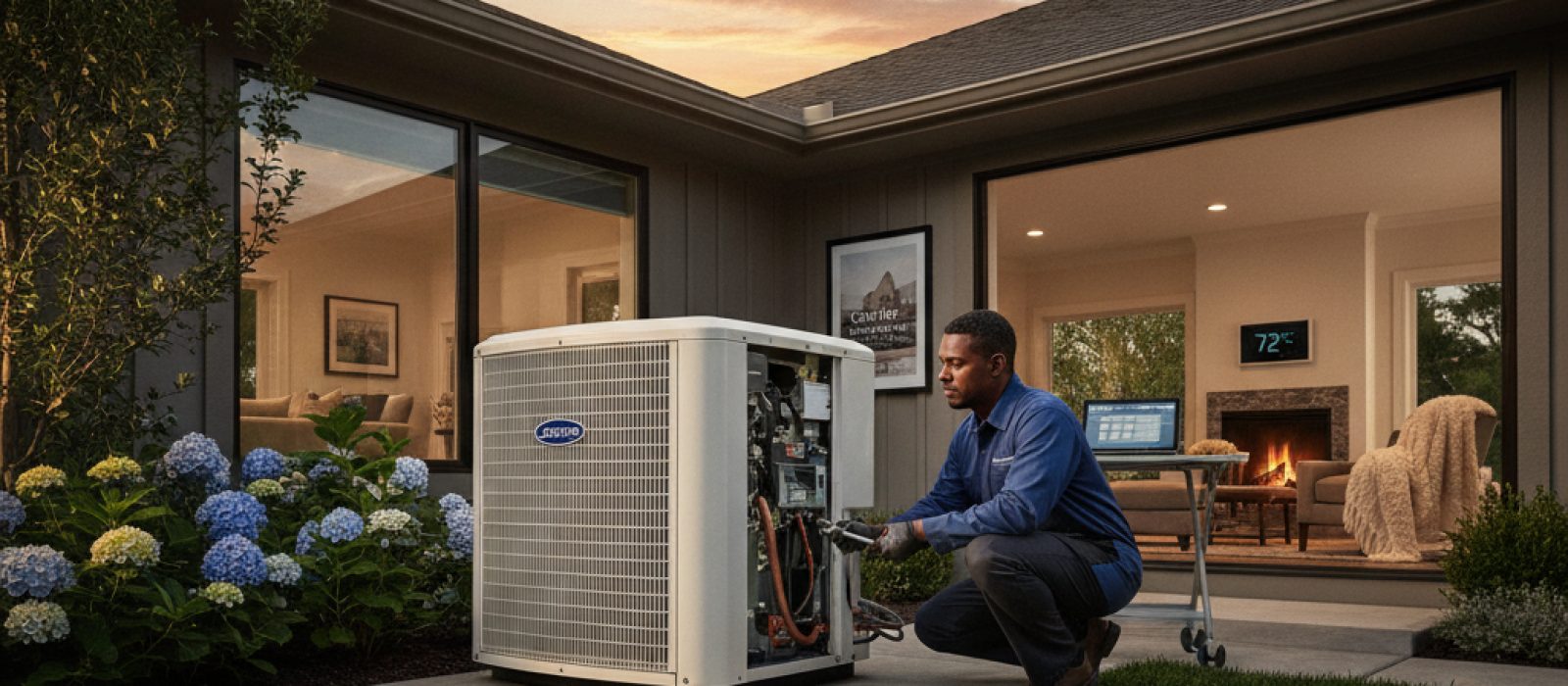
A comprehensive guide to understanding Carrier air conditioning systems, efficiency ratings, installation factors, and maintenance requirements.
An objective look at Goodman HVAC systems, covering performance, longevity, and what homeowners should know before choosing a budget-friendly cooling solution.
A guide to understanding Trane residential cooling systems, including component integration and maintenance requirements for homeowners.
Be the first to comment.