
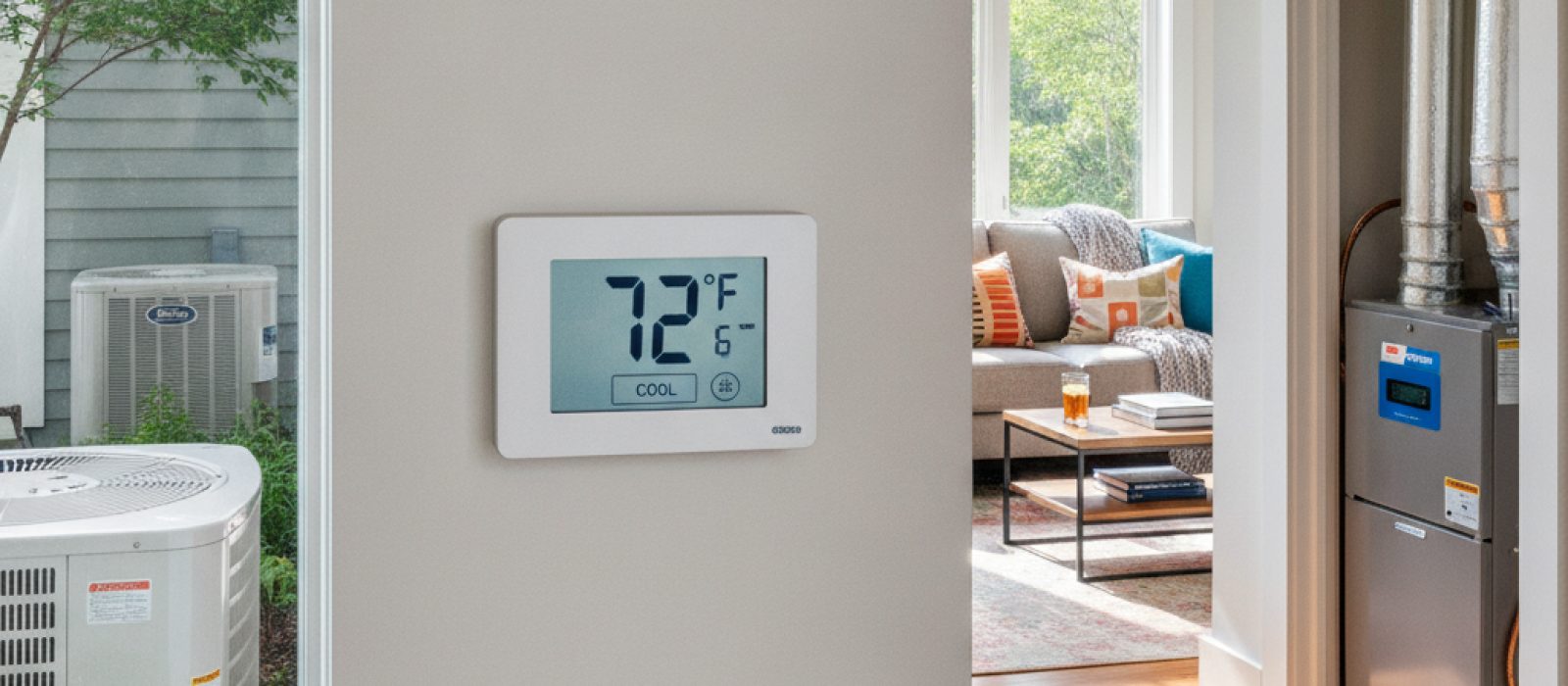
York, Ruud, Bryant and American Standard HVAC: Brand Overview
A guide to understanding the cooling technology and reliability of four major HVAC manufacturers for U.S. homeowners.
3 min read

An inverter air conditioner is a cooling system that uses variable-speed compressor technology to regulate indoor temperatures by adjusting the motor speed rather than simply turning the unit on and off. Unlike traditional systems that operate at a fixed speed, an inverter AC continuously monitors the room's temperature and modulates its power output to maintain a steady climate, resulting in higher energy efficiency and more consistent comfort.
Non-inverter systems, often referred to as single-stage or fixed-speed units, operate on a binary principle: they are either running at 100% capacity or they are completely off. When you set your thermostat, the compressor kicks in at full blast until the desired temperature is reached, at which point it shuts down entirely. Once the room warms up again, the unit cycles back on.
While these systems are often simpler and have a lower initial equipment cost, they have notable drawbacks:
Inverter technology functions more like a car's cruise control. Instead of flooring the gas and then slamming on the brakes, an inverter unit adjusts its output to match the cooling load required at any given moment. If it is only slightly warm outside, the unit runs at a low, quiet speed. If the heat rises, the unit automatically ramps up its power.
This dynamic approach offers several performance benefits:
Choosing between these two technologies often comes down to your long-term goals and budget. If you are looking for the lowest upfront installation cost and have a smaller space that does not require constant climate control, a non-inverter system might be sufficient. However, for most modern U.S. homeowners, the benefits of inverter technology are hard to ignore.
If you prioritize lower monthly energy bills, a quieter home environment, and a more consistent indoor climate, an inverter system is the superior choice. While the initial investment for inverter-equipped HVAC systems is typically higher, the potential for long-term energy savings and enhanced comfort makes them a valuable upgrade for most residential properties. When selecting your next system, consult with a licensed HVAC professional to assess your home's specific cooling load and insulation quality to ensure you get the most out of your investment.
A guide to understanding the cooling technology and reliability of four major HVAC manufacturers for U.S. homeowners.
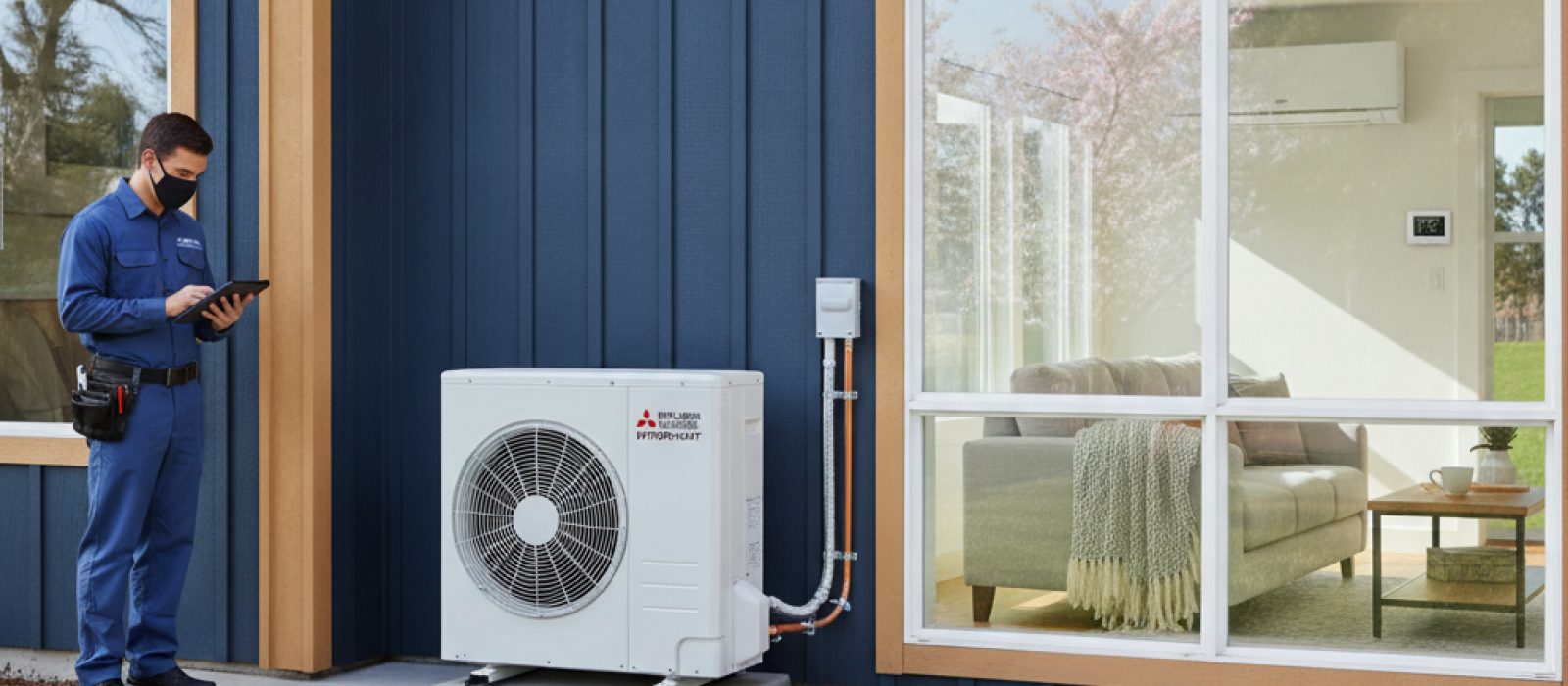
A comprehensive look at Mitsubishi mini-split technology and Hyper-Heat performance for year-round climate control in U.S. homes.
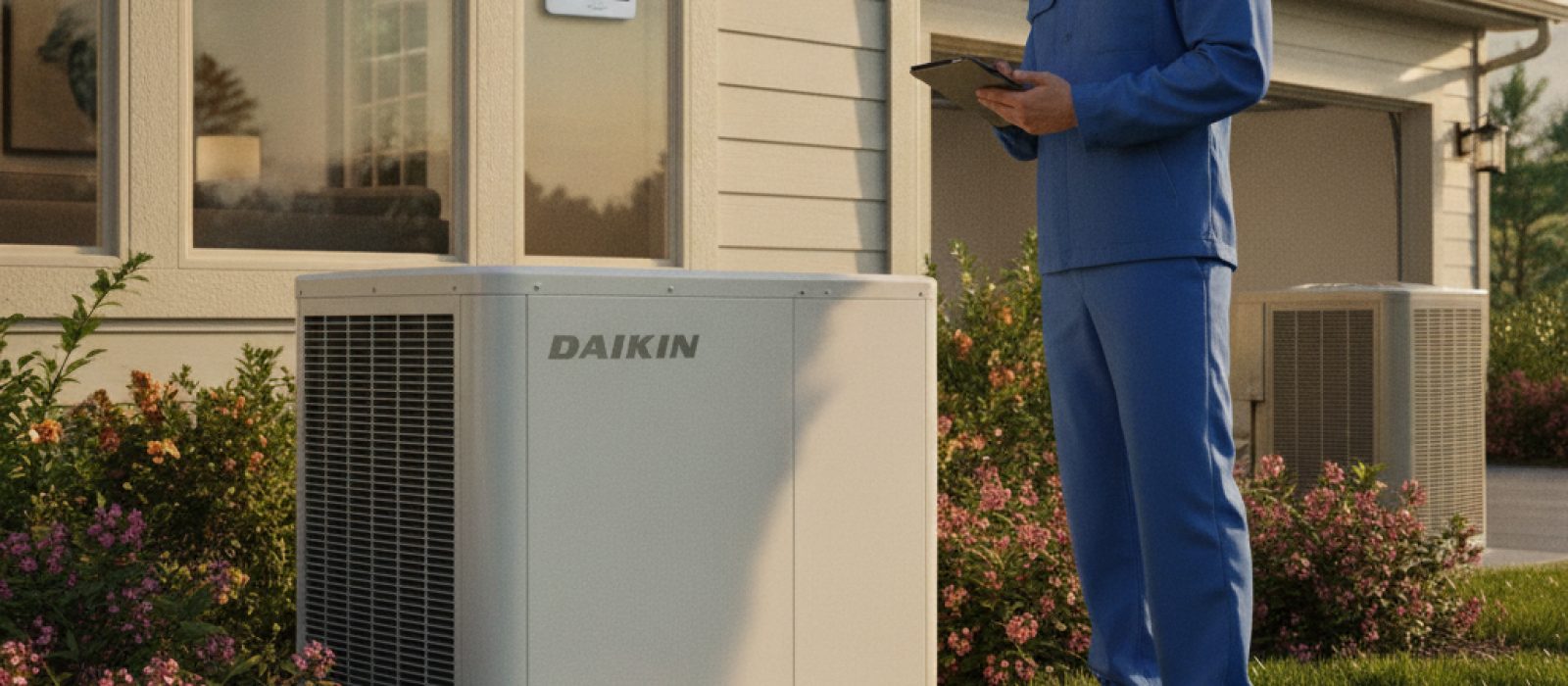
A comprehensive guide to understanding Daikin HVAC systems, including model tiers, standard maintenance requirements, and factory warranty coverage.
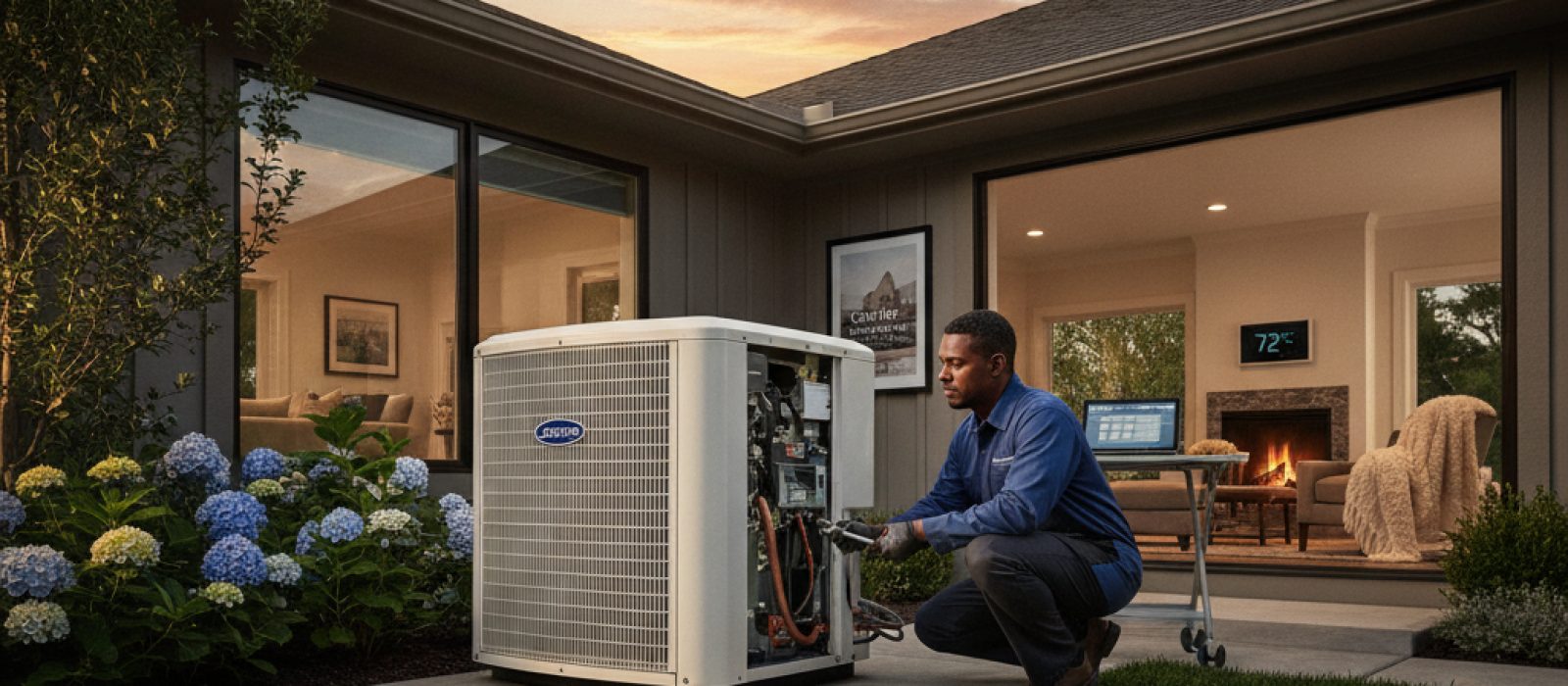
A comprehensive guide to understanding Carrier air conditioning systems, efficiency ratings, installation factors, and maintenance requirements.
An objective look at Goodman HVAC systems, covering performance, longevity, and what homeowners should know before choosing a budget-friendly cooling solution.
A guide to understanding Trane residential cooling systems, including component integration and maintenance requirements for homeowners.
Be the first to comment.