
York, Ruud, Bryant and American Standard HVAC: Brand Overview
A guide to understanding the cooling technology and reliability of four major HVAC manufacturers for U.S. homeowners.
4 min read

Air conditioning systems are engineered based on standard atmospheric pressure at sea level. When equipment is installed in high-altitude regions like the Rocky Mountains, the reduced air density changes how the system interacts with its environment. At higher elevations, the air is thinner, meaning there are fewer molecules present to transfer heat effectively. This physical reality forces cooling systems to work differently than they would in coastal or low-elevation climates.
Because air is less dense, the mass flow rate of air moving across the evaporator coil is reduced. Since heat transfer depends heavily on the volume and density of the air passing over the coils, a system may struggle to achieve the same cooling capacity it is rated for at lower altitudes. This is not necessarily a sign of a broken system, but rather an inherent limitation of cooling capacity in thin air.
The reduction in air density places different demands on the blower motor. While thinner air offers less resistance, which might seem beneficial, the fan blades are less efficient at moving the required mass of air. To compensate for the lack of density, many systems require precise adjustments to the blower speed or ductwork configuration to ensure adequate airflow reaches every room.
Homeowners often notice that systems at high altitude may run longer to reach the set temperature. This is a common adjustment period for equipment. If the airflow feels weak, it may be time to consult professionals regarding Ductwork Services to ensure the existing infrastructure is optimized for high-elevation pressure differentials.
The cooling cycle relies on the refrigerant absorbing heat from the indoor air and releasing it outdoors. In thin air, the outdoor condenser unit faces a unique challenge. Because the air is less effective at absorbing heat from the condenser coils, the system must work harder to reject that heat into the ambient environment. This can lead to higher operating temperatures within the system components.
If a system is consistently struggling to maintain comfort, it may be operating outside its design parameters. Regular Maintenance & Tune-up visits are essential in these regions, as technicians can verify that refrigerant pressures are adjusted appropriately for the local elevation. Operating an improperly charged system at high altitude can lead to premature component failure.
High-altitude environments are often characterized by lower humidity levels. While this can make the cooling process feel more comfortable, it also changes the latent cooling load. Standard air conditioning systems are designed to remove a specific amount of moisture from the air. In very dry, high-altitude climates, the system may not need to run as long for moisture removal, but it still needs to run for sensible temperature cooling.
This unique balance often makes Indoor Air Quality solutions, such as high-efficiency filtration, more critical. Because air is thin and potentially carries different particulates, ensuring that the return air path is clean is vital. A restricted filter at high altitude can have a more immediate negative impact on system performance than at lower elevations, as the fan already struggles to move the required mass of air.
Homeowners can perform basic tasks like changing air filters, but technical adjustments to refrigerant levels, blower motor calibration, or system capacity calculations must be handled by a licensed professional. Attempting to force a system to perform better by altering settings without proper training can lead to compressor burnout or electrical issues.
If you notice the system icing up, making unusual noises, or failing to cycle off, contact a professional for AC Services. They can determine if the issue is related to the altitude or if there is a mechanical fault. A professional technician understands the specific adjustments required for high-altitude operation and will ensure your system is calibrated to handle the local environment safely.
To maximize the lifespan of a cooling system at high altitude, focus on system balance. Ensure that the thermostat is calibrated correctly and that the ductwork is free of leaks. A well-sealed home prevents the system from overworking to compensate for air leakage, which is especially important when the air outside is thin and the pressure differential between indoors and outdoors is significant.
Consider professional evaluations for Energy Efficient Solutions that can help your home retain its conditioned air more effectively. By reducing the overall load on the system, you allow the equipment to operate within its comfort zone, even when the physics of the environment are working against it. Consistent, professional care is the best defense against the unique stresses of high-altitude cooling.
A guide to understanding the cooling technology and reliability of four major HVAC manufacturers for U.S. homeowners.
A comprehensive look at Mitsubishi mini-split technology and Hyper-Heat performance for year-round climate control in U.S. homes.
A comprehensive guide to understanding Daikin HVAC systems, including model tiers, standard maintenance requirements, and factory warranty coverage.
A comprehensive guide to understanding Carrier air conditioning systems, efficiency ratings, installation factors, and maintenance requirements.
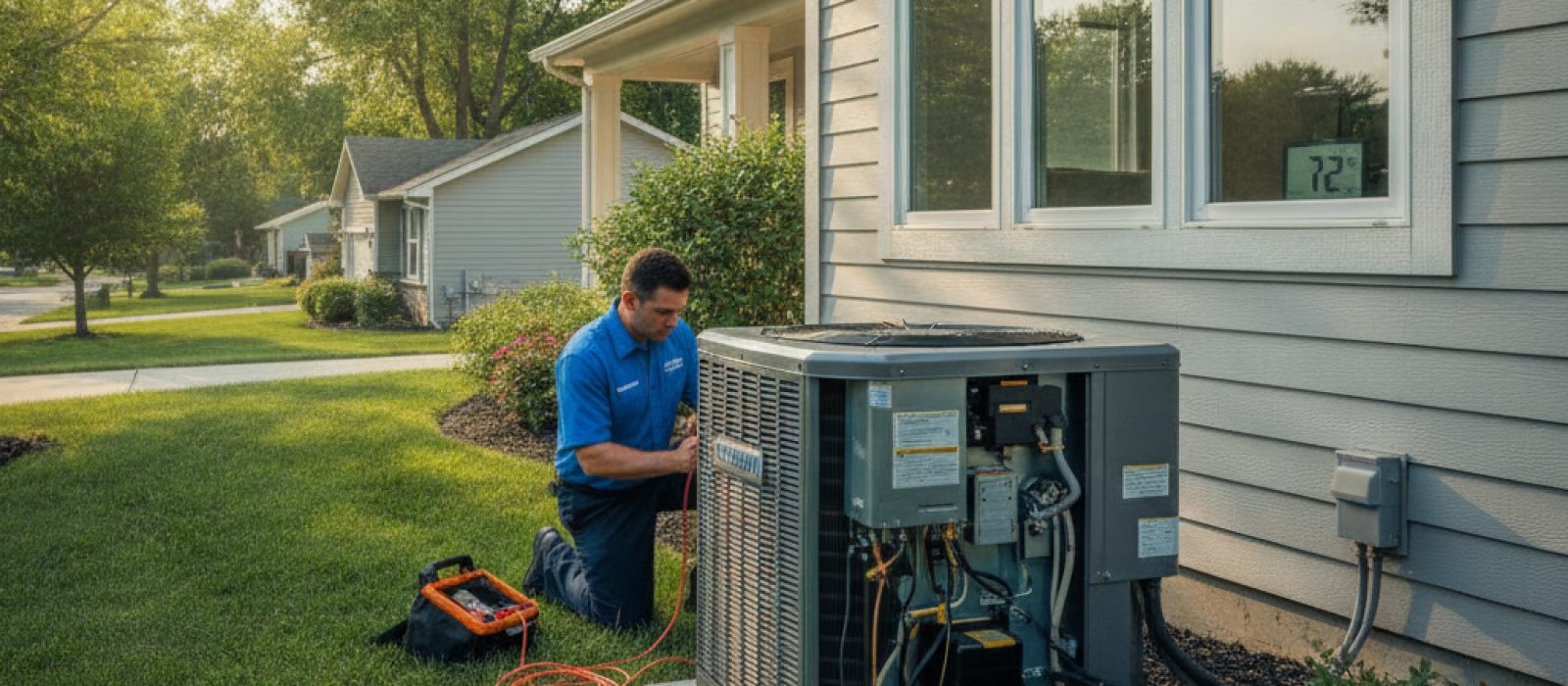
An objective look at Goodman HVAC systems, covering performance, longevity, and what homeowners should know before choosing a budget-friendly cooling solution.
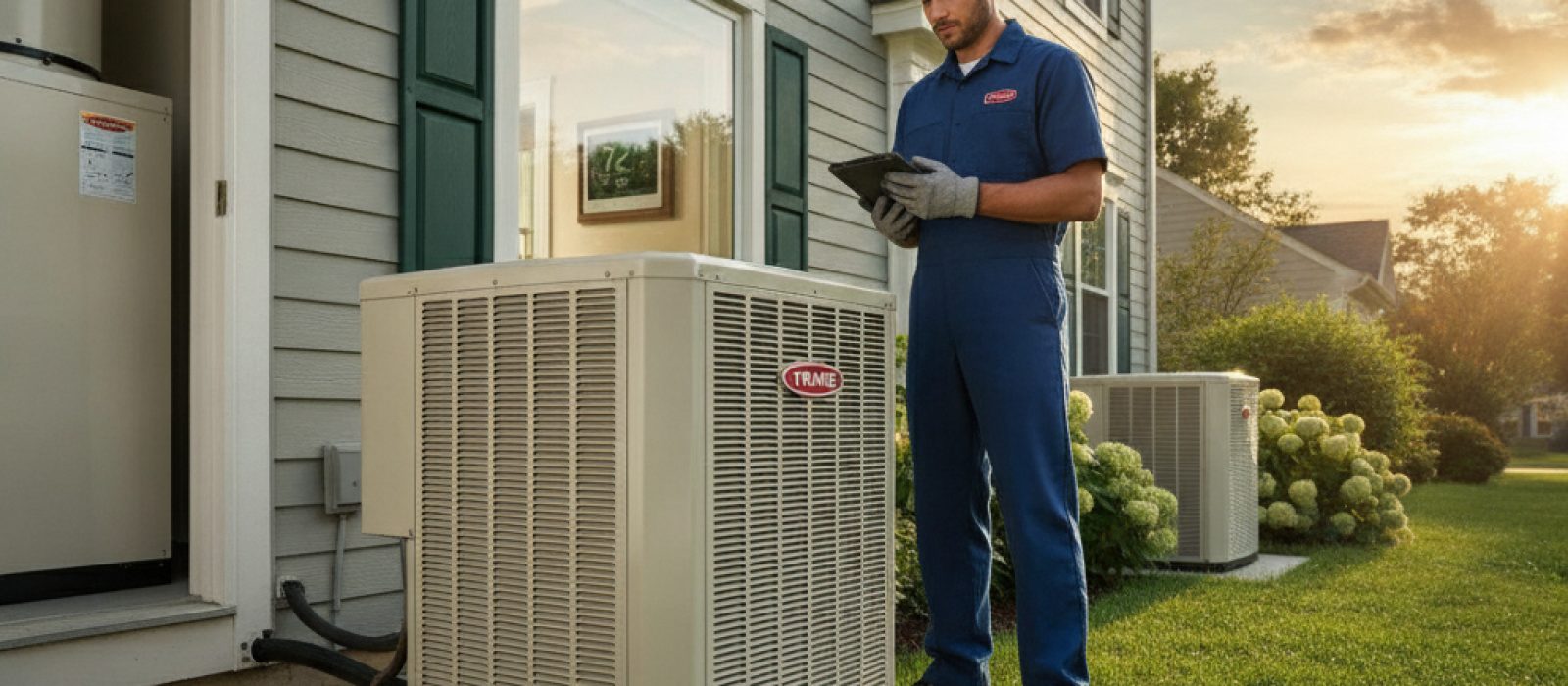
A guide to understanding Trane residential cooling systems, including component integration and maintenance requirements for homeowners.
Be the first to comment.