Central Air Conditioning: The Traditional Choice
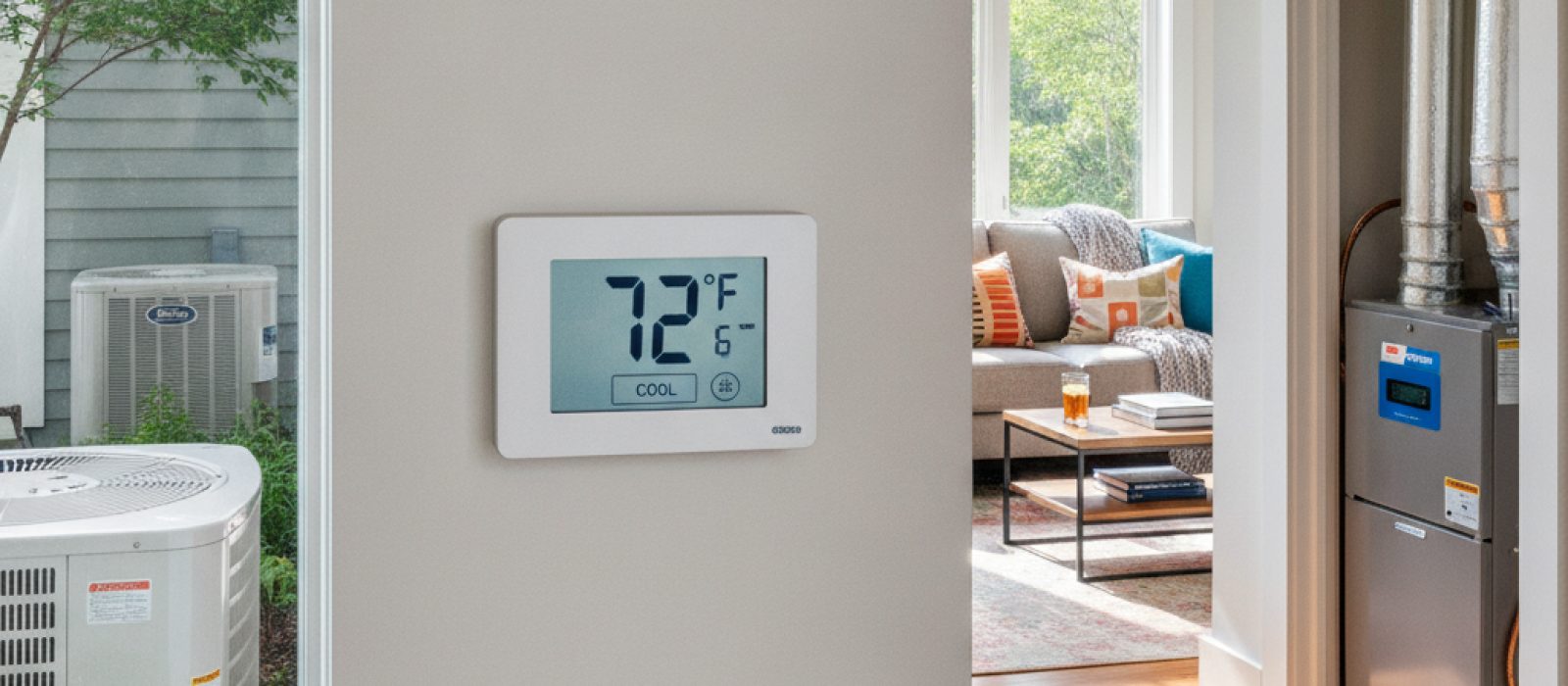
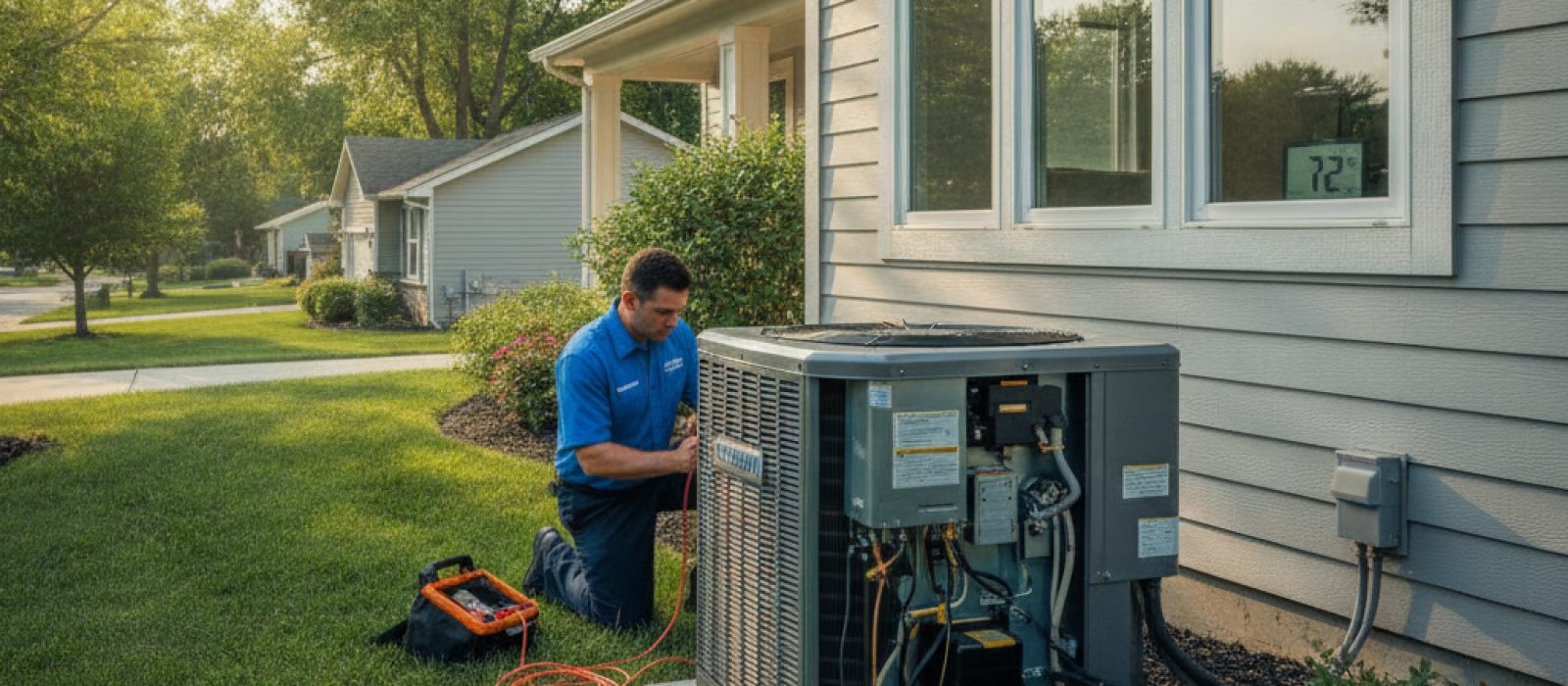
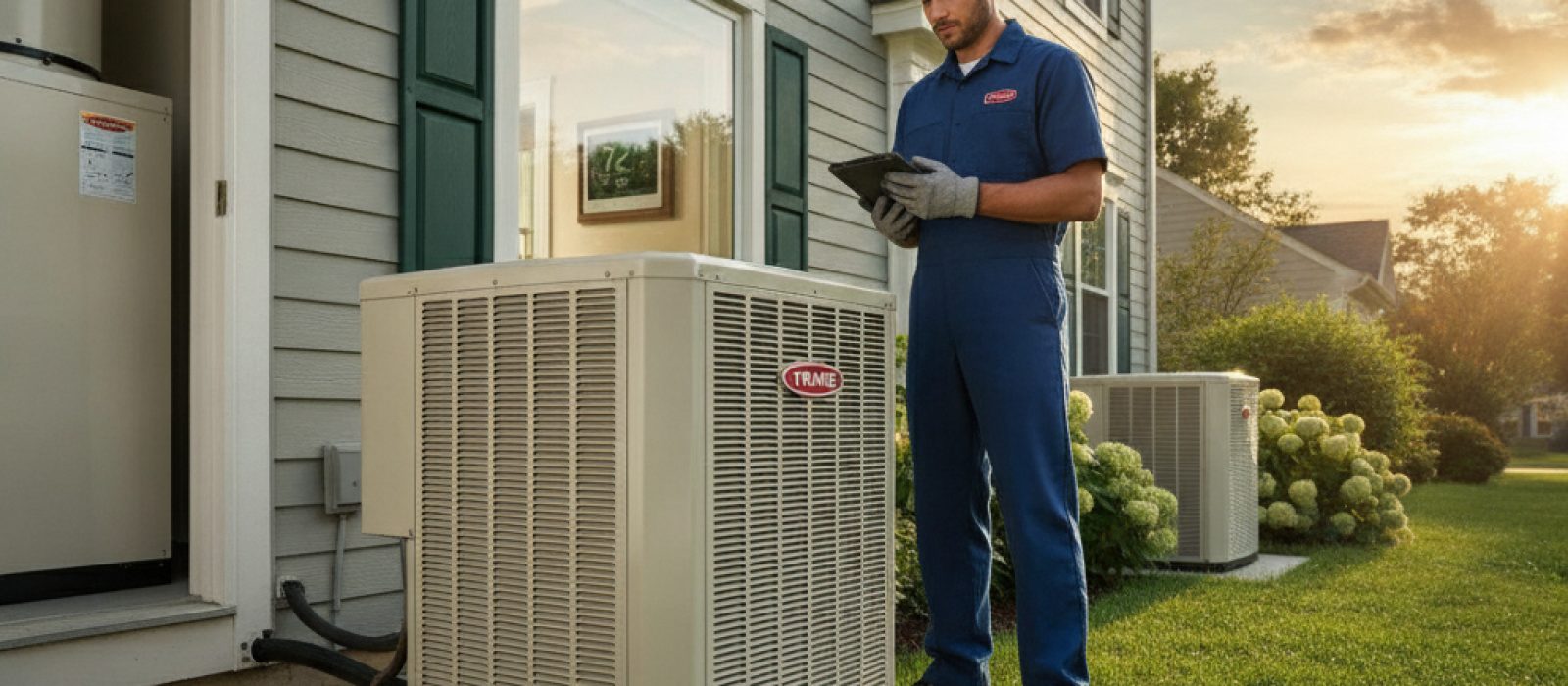
For decades, central air conditioning has been the go-to cooling solution for most American homes. These systems work by distributing cooled air through a network of ducts to every room in your house. A single outdoor unit (condenser) and an indoor unit (evaporator coil and furnace/air handler) work in tandem to maintain a consistent temperature throughout your entire living space.
Pros of Central AC:
- Whole-Home Comfort: Provides uniform cooling and heating (when paired with a furnace) across all rooms.
- Discreet Operation: The main cooling components are often located in a basement, attic, or outside, keeping indoor noise to a minimum.
- Improved Air Quality: Central systems can integrate advanced air filters, humidifiers, and UV lights to enhance indoor air quality.
- Increased Home Value: A well-maintained central HVAC system is often seen as a standard amenity that adds to a home's market value.
Cons of Central AC:
- Ductwork Dependency: Requires extensive ductwork, which can be costly to install in homes without existing ducts and can lead to energy loss if not properly sealed.
- Higher Upfront Cost: Installation can be more expensive, especially if new ductwork is required.
- Zoning Limitations: Traditional central AC cools all rooms equally, meaning you might be cooling unoccupied spaces unless you invest in advanced zoning systems.
- Energy Inefficiency: Older or improperly sized central systems can be less energy-efficient, leading to higher utility bills.
Ductless Mini-Splits: The Flexible Alternative
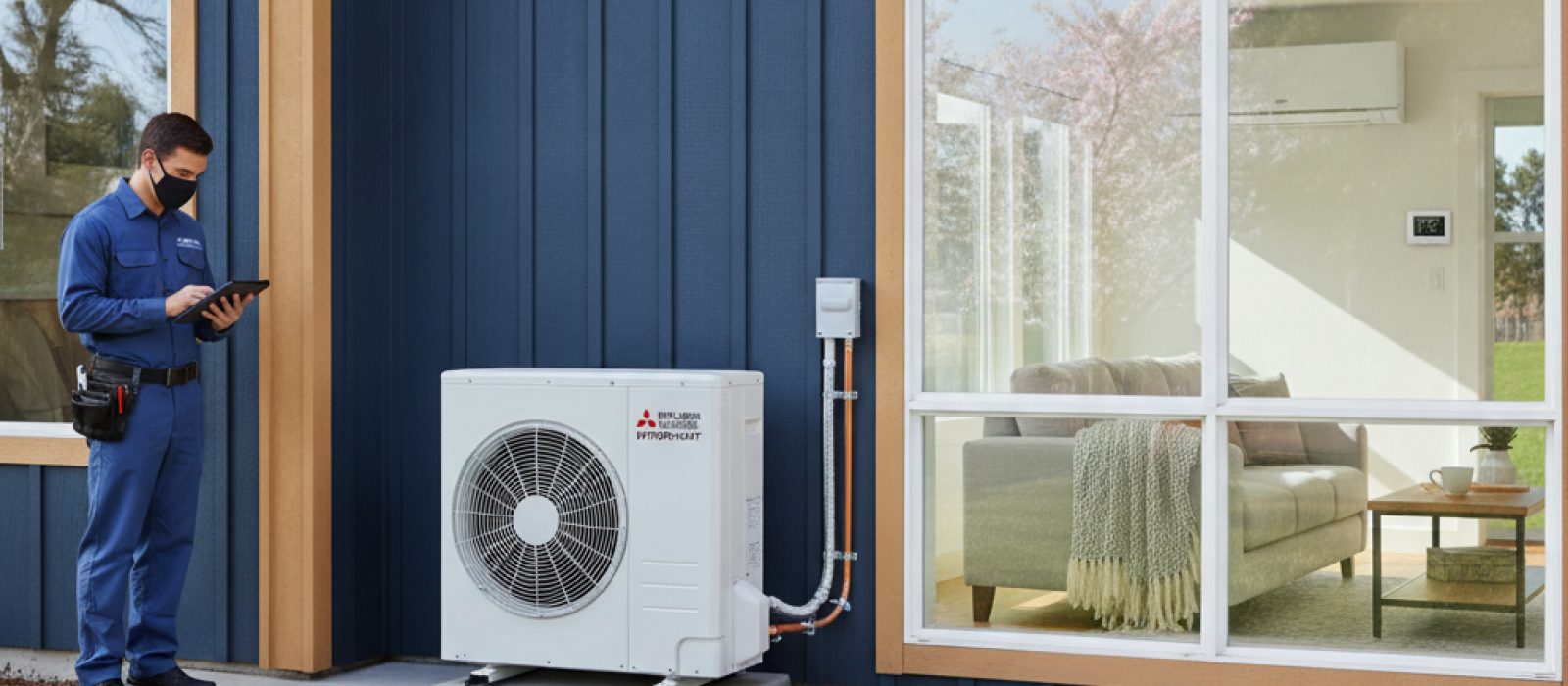
Ductless mini-split systems have gained significant popularity for their flexibility and efficiency. Unlike central AC, they don't rely on ductwork. Instead, they consist of one outdoor compressor/condenser unit connected to one or more indoor air-handling units via a small conduit. Each indoor unit can be controlled independently, creating individual comfort zones.
Pros of Ductless Mini-Splits:
- Zoned Comfort: Each indoor unit operates independently, allowing you to set different temperatures in different rooms or only cool/heat occupied areas. This can lead to significant energy savings.
- High Energy Efficiency: Many mini-splits are highly energy-efficient, often exceeding ENERGY STAR ratings, thanks to inverter technology and zoned operation.
- Flexible Installation: Ideal for homes without existing ductwork, additions, converted attics/basements, or rooms that struggle to stay comfortable. Installation is generally less invasive.
- Heating and Cooling: Most mini-splits offer both cooling and heating capabilities, making them a versatile year-round solution.
- Improved Air Quality (Localized): While not whole-home, individual units often have multi-stage filtration to improve air quality in their specific zones.
Cons of Ductless Mini-Splits:
- Aesthetics: The indoor units are mounted on walls or ceilings and are visible, which some homeowners might find less appealing than discreet vents.
- Multiple Units for Whole Home: To cool an entire house, you may need several indoor units, which can add up in cost and visual impact.
- Maintenance Complexity: While individual units are easy to clean, maintaining multiple units can sometimes be more involved than a single central system.
- Upfront Cost for Multiple Zones: While a single-zone mini-split can be affordable, equipping an entire home with multiple zones can approach or exceed the cost of a central system.
Which System is Right for Your Home?
The best choice for you depends on several factors specific to your home and lifestyle:
- Existing Ductwork: If your home already has well-maintained ductwork, upgrading to a new central AC system might be the most cost-effective and straightforward option.
- Home Additions or Conversions: For new additions, garage conversions, or finished basements where extending ductwork is impractical or expensive, a ductless mini-split is an excellent choice.
- Energy Efficiency Goals: If maximizing energy savings through zoned cooling and heating is a top priority, a ductless mini-split system often offers superior performance.
- Budget: Consider both the upfront installation cost and the long-term operating costs. A central system might have a higher initial cost but could be more efficient if your home is already ducted. Multiple mini-splits can add up.
- Aesthetics: Do you prefer the unseen nature of central AC vents, or are you comfortable with visible indoor mini-split units?
- Specific Problem Areas: Do you have one or two rooms that are always too hot or too cold? A single-zone mini-split can be a targeted solution without overhauling your entire HVAC system.
Ultimately, there's no single 'better' option; it truly depends on your specific needs. We recommend consulting with a qualified HVAC professional. They can assess your home's layout, existing infrastructure, energy goals, and budget to help you make an informed decision that ensures optimal comfort and efficiency for years to come.