
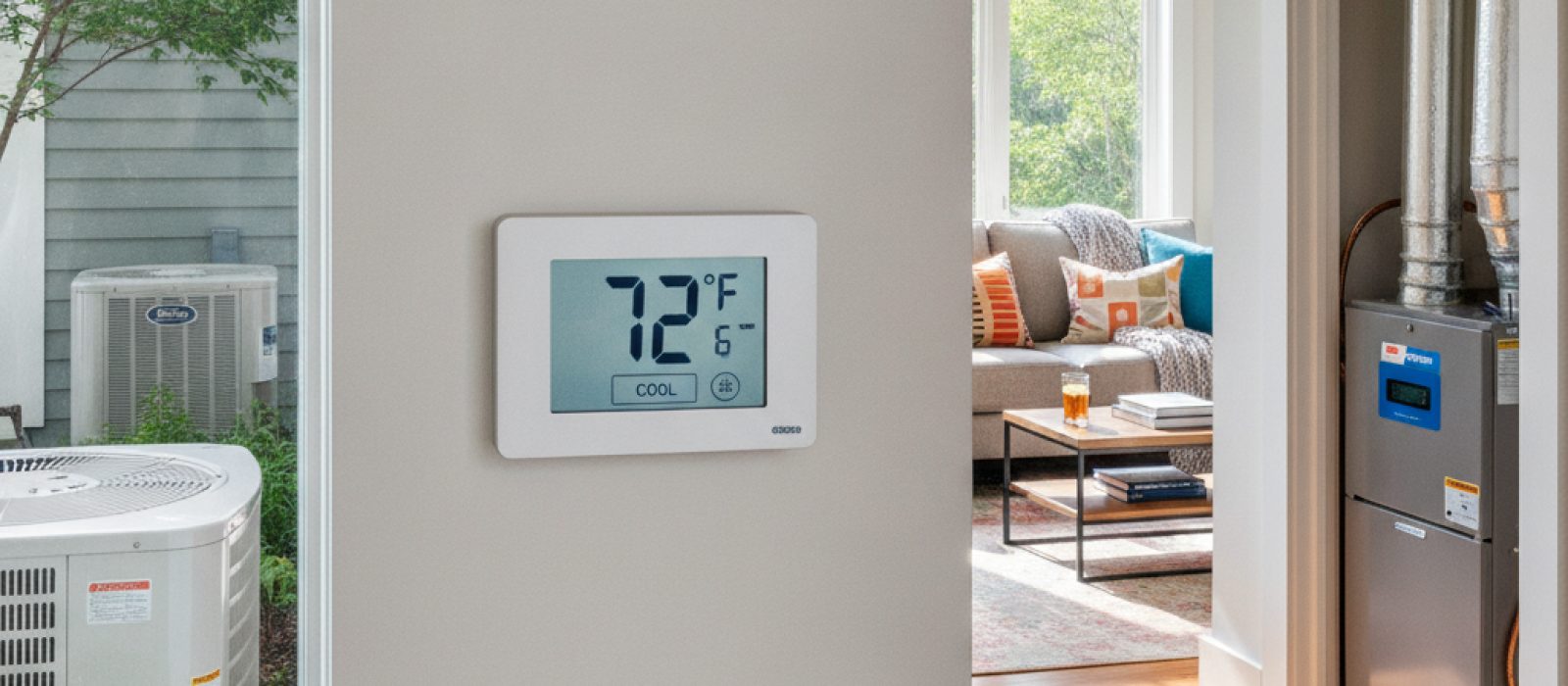
York, Ruud, Bryant and American Standard HVAC: Brand Overview
A guide to understanding the cooling technology and reliability of four major HVAC manufacturers for U.S. homeowners.
4 min read

Ceiling fans do not actually lower the temperature of a room. Instead, they create a wind-chill effect by moving air across the skin, which helps evaporate moisture and makes occupants feel several degrees cooler. When used in tandem with AC services, this effect allows homeowners to raise the thermostat setting without sacrificing comfort, effectively reducing the workload on the cooling system.
To maximize this benefit, the ceiling fan must rotate in a counter-clockwise direction during the cooling season. This direction pushes air downward, creating the necessary breeze to facilitate skin-level cooling. If the fan spins clockwise, it pulls air upward, which is ideal for winter heat distribution but counterproductive during hot months.
The primary advantage of using a fan while the AC is running is the ability to adjust the thermostat. If a room feels comfortable at 75 degrees with a fan on, the AC system may not need to cycle as frequently to reach a setting of 72 degrees. This reduction in runtime can lower energy consumption and decrease wear on the compressor.
However, it is vital to note that fans cool people, not rooms. A fan running in an empty room provides no thermal benefit and actually adds a small amount of heat to the space through the fan motor. Always switch off fans when leaving a room to ensure that energy is not wasted on unoccupied spaces.
Proper airflow is essential for consistent cooling throughout a home. If air registers are blocked by furniture or curtains, the conditioned air cannot circulate effectively. When a ceiling fan is introduced into a room with poor airflow, it can sometimes exacerbate the issue by blowing air away from the intended path of the HVAC system.
If you notice hot spots or uneven temperatures, it may indicate a need for professional Ductwork Services. While fans can mask minor circulation issues, they cannot fix leaky or undersized ducts. A balanced system ensures that the air being cooled by the AC reaches every corner of the home, allowing the fan to act as a supplement rather than a crutch.
Both ceiling fans and HVAC systems require regular maintenance to operate safely and efficiently. A fan covered in dust will move air less effectively and may cause the motor to work harder. Similarly, a central cooling system requires consistent Maintenance and Tune-up visits to ensure the refrigerant levels are correct and the coils are clean.
Homeowners should perform basic tasks, such as dusting fan blades and changing air filters, on a monthly basis. If you observe strange noises or flickering lights when the fan is engaged, it may point to an issue within your home's wiring. In such cases, contact a provider of Electrical Services to inspect the fixture and ensure all connections are secure and up to code.
High humidity makes air feel warmer than it actually is. While a ceiling fan assists with comfort, it does not remove moisture from the air. If your home consistently feels sticky or damp despite the AC running, the issue may lie with the cooling system's ability to dehumidify.
If the AC unit is oversized for the home, it may cycle off too quickly to effectively pull moisture out of the air. Conversely, an aging system might struggle to maintain proper humidity levels. In these situations, improving Indoor Air Quality through specialized equipment or system upgrades may be necessary. A fan alone cannot resolve chronic humidity problems, which often require a professional assessment of the entire cooling cycle.
Ceiling fans should be installed at a height that allows for adequate clearance and air movement. If the blades are too close to the ceiling, the fan will struggle to draw in enough air. If they are hung too low, they pose a safety hazard.
Always ensure the fan is securely mounted to a rated electrical box. A wobbling fan is not only distracting but can also lead to structural damage or electrical issues over time. If you are uncertain about the structural integrity of your ceiling mount, consult a professional to ensure the installation is safe and stable.
A guide to understanding the cooling technology and reliability of four major HVAC manufacturers for U.S. homeowners.
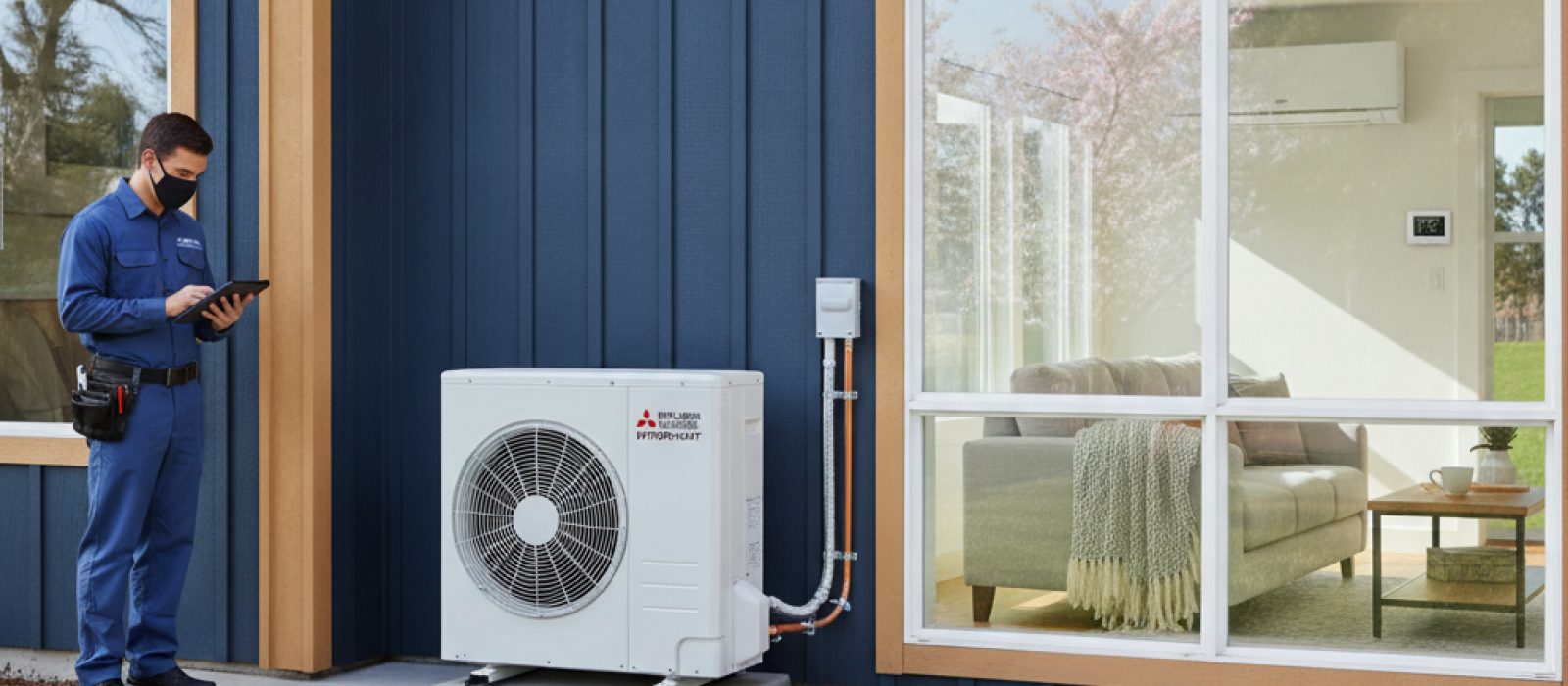
A comprehensive look at Mitsubishi mini-split technology and Hyper-Heat performance for year-round climate control in U.S. homes.
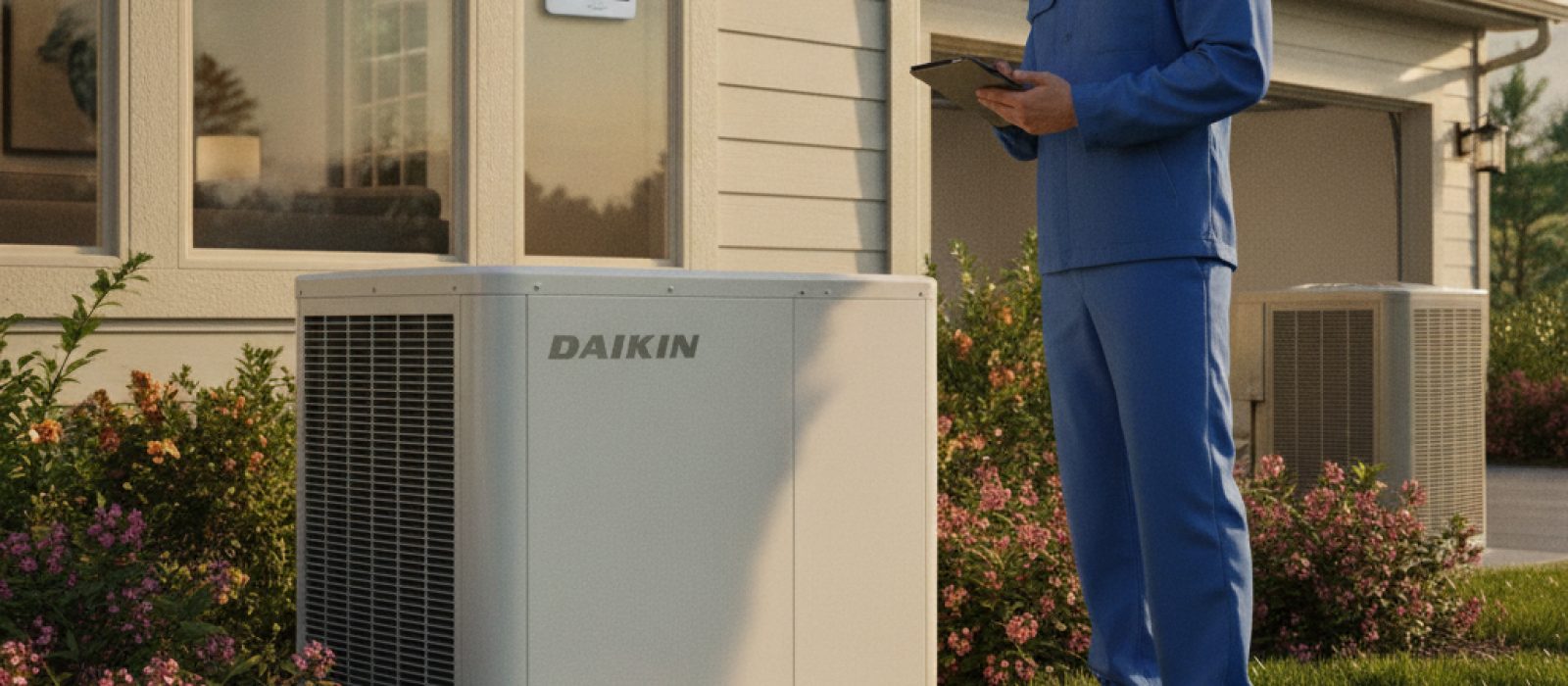
A comprehensive guide to understanding Daikin HVAC systems, including model tiers, standard maintenance requirements, and factory warranty coverage.
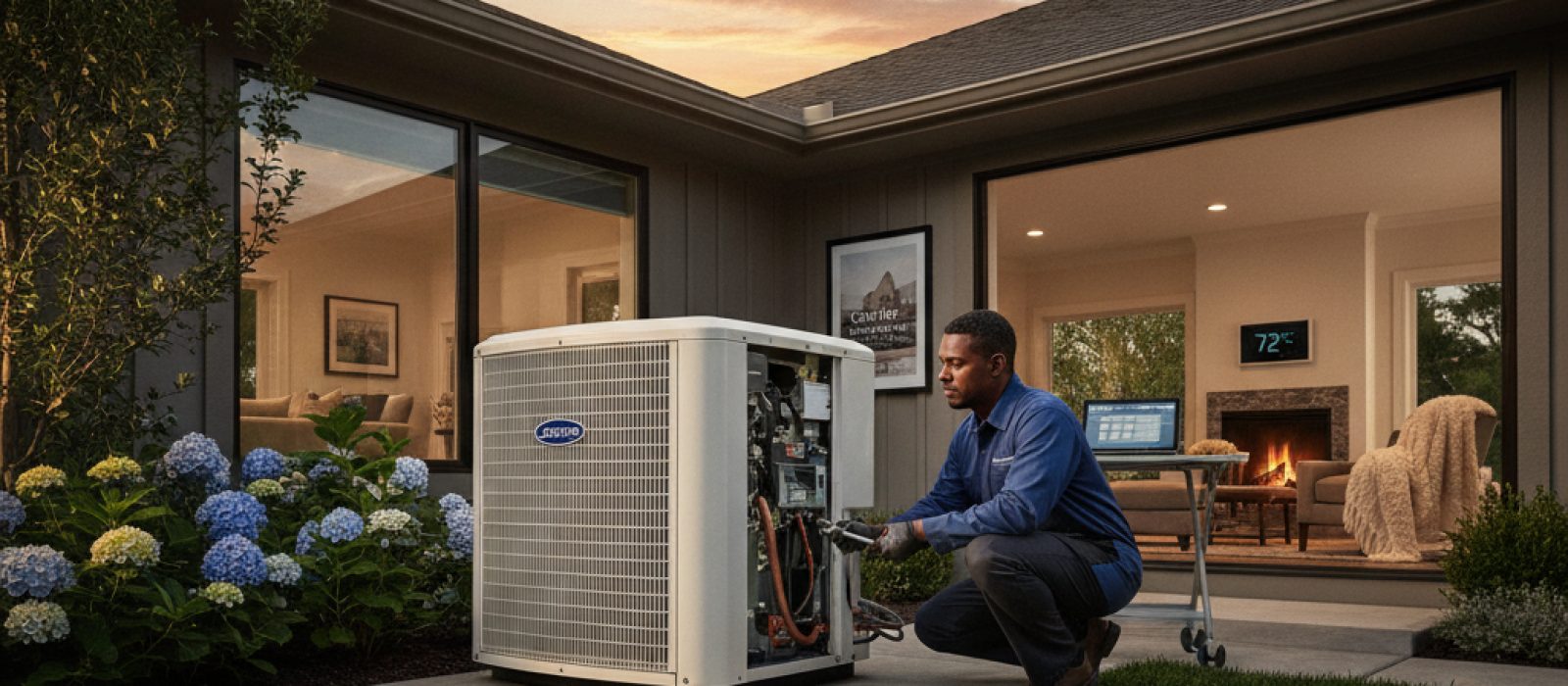
A comprehensive guide to understanding Carrier air conditioning systems, efficiency ratings, installation factors, and maintenance requirements.
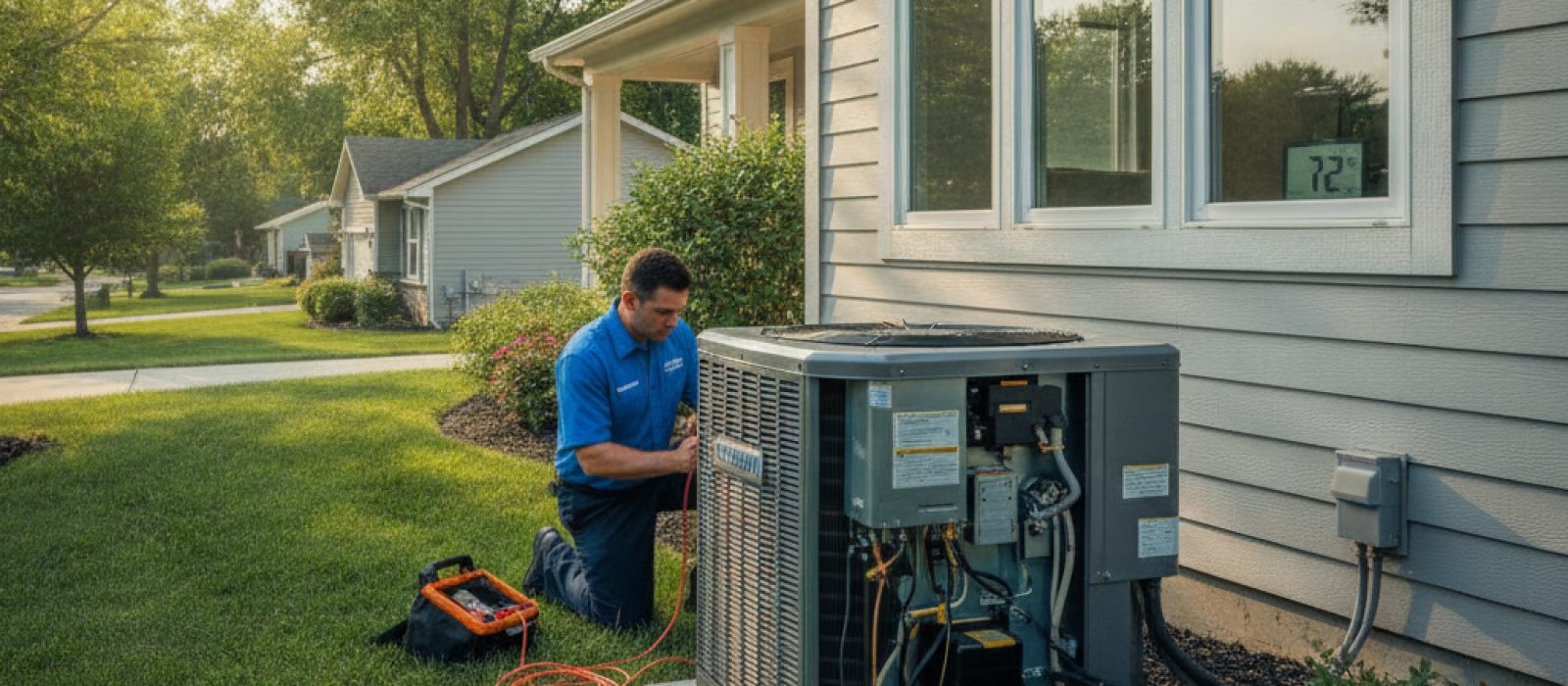
An objective look at Goodman HVAC systems, covering performance, longevity, and what homeowners should know before choosing a budget-friendly cooling solution.
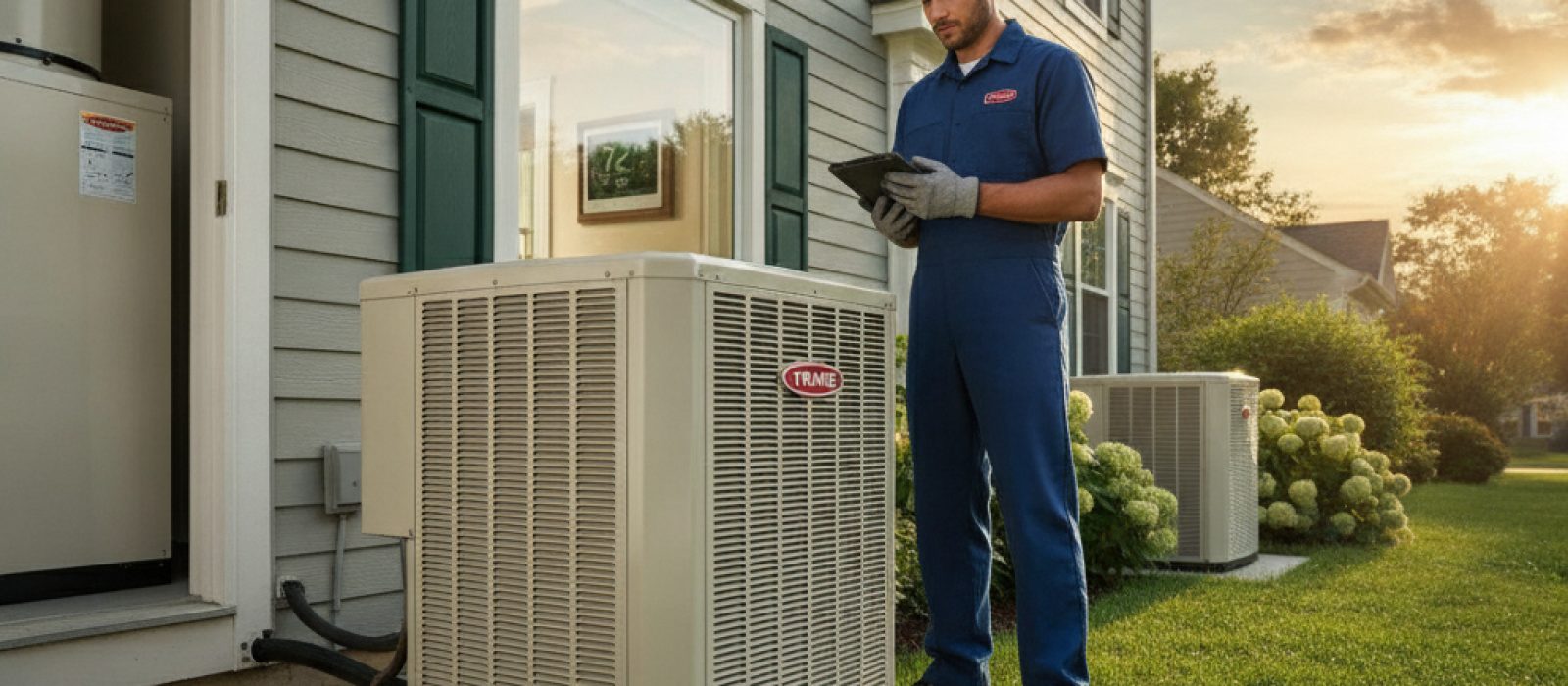
A guide to understanding Trane residential cooling systems, including component integration and maintenance requirements for homeowners.
Be the first to comment.