
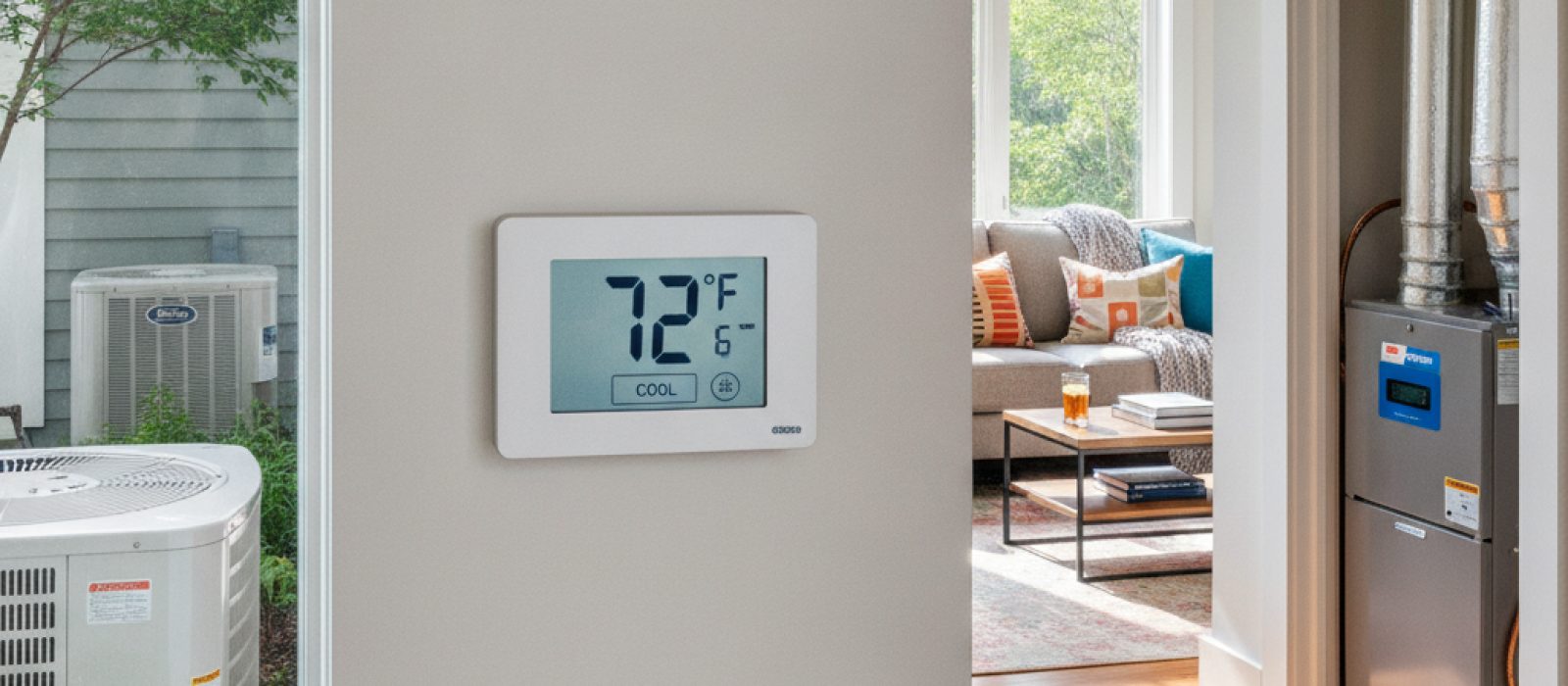
York, Ruud, Bryant and American Standard HVAC: Brand Overview
A guide to understanding the cooling technology and reliability of four major HVAC manufacturers for U.S. homeowners.
4 min read

Historically, many homes in the Pacific Northwest were constructed without centralized cooling systems. Mild summers previously allowed homeowners to rely on open windows and cross-ventilation. However, shifting weather patterns and more frequent heat events have made air conditioning an essential upgrade for maintaining indoor comfort and safety.
This guide outlines the primary cooling options available for homes in the region, the logistical considerations for retrofitting, and how to approach the investment. Whether you are looking for whole-home climate control or targeted cooling, understanding the technology is the first step toward a successful installation.
The presence of existing ductwork is the most significant factor in determining which cooling system is most cost-effective for your home. If you have an existing forced-air furnace, your home may already have a distribution system capable of supporting central air conditioning.
However, many older homes in the region utilize baseboard heating or radiant systems, which lack air ducts. In these cases, installing traditional central air is often prohibitively expensive due to the need to cut into walls, floors, and ceilings to install a full duct network. For these properties, specialized Ductwork Services may be required to evaluate whether retrofitting is feasible or if a ductless alternative is more practical.
Ductless mini-split systems are frequently the preferred choice for Pacific Northwest homes. These systems consist of an outdoor compressor connected to one or more indoor air-handling units mounted on walls or ceilings. Because they require only a small conduit through an exterior wall, they avoid the structural modifications associated with central air.
Mini-splits offer zone-based cooling, allowing you to control temperatures in individual rooms. This is highly efficient for homes with varied layouts or those that only need cooling in primary living spaces or bedrooms. They are also inherently quiet, which is a significant advantage for residential neighborhoods.
If your home already has a forced-air furnace and functional, appropriately sized ductwork, adding a standard central air conditioning unit is a straightforward process. The condenser unit sits outside, and a cooling coil is installed atop your furnace to chill the air before it is distributed throughout the house.
Many homeowners are opting for Heat Pumps instead of traditional AC units. A heat pump functions like an air conditioner in the summer, moving heat out of the home, but it can also reverse the cycle in the winter to provide efficient heating. Given the region’s moderate winter temperatures, a heat pump often serves as a highly effective dual-purpose system that replaces or supplements an existing furnace.
The total cost of adding air conditioning varies by system and region. Several variables influence the final quote provided by a contractor:
While portable window units are a common DIY solution, permanent cooling systems require professional installation. The process involves handling chemical refrigerants, which are strictly regulated, and ensuring that electrical connections are properly grounded and fused.
A professional technician performs a load calculation to determine the exact cooling capacity required. They also ensure the refrigerant lines are properly insulated and the condensate drainage system is correctly sloped to prevent water damage within walls or ceilings. Attempting to install these systems without proper training risks voiding manufacturer warranties and creating potential safety hazards.
Once your system is installed, regular upkeep is vital. Dust and debris buildup on coils can significantly reduce system efficiency and lead to premature component failure. Scheduling professional Maintenance & Tune-up services annually ensures that your system remains in peak condition, especially before the first heat wave of the summer season.
Additionally, keeping the area around your outdoor condenser unit clear of vegetation and debris allows for proper airflow. If you notice a reduction in cooling performance or unusual sounds, contact a professional rather than attempting to adjust mechanical components yourself.
A guide to understanding the cooling technology and reliability of four major HVAC manufacturers for U.S. homeowners.
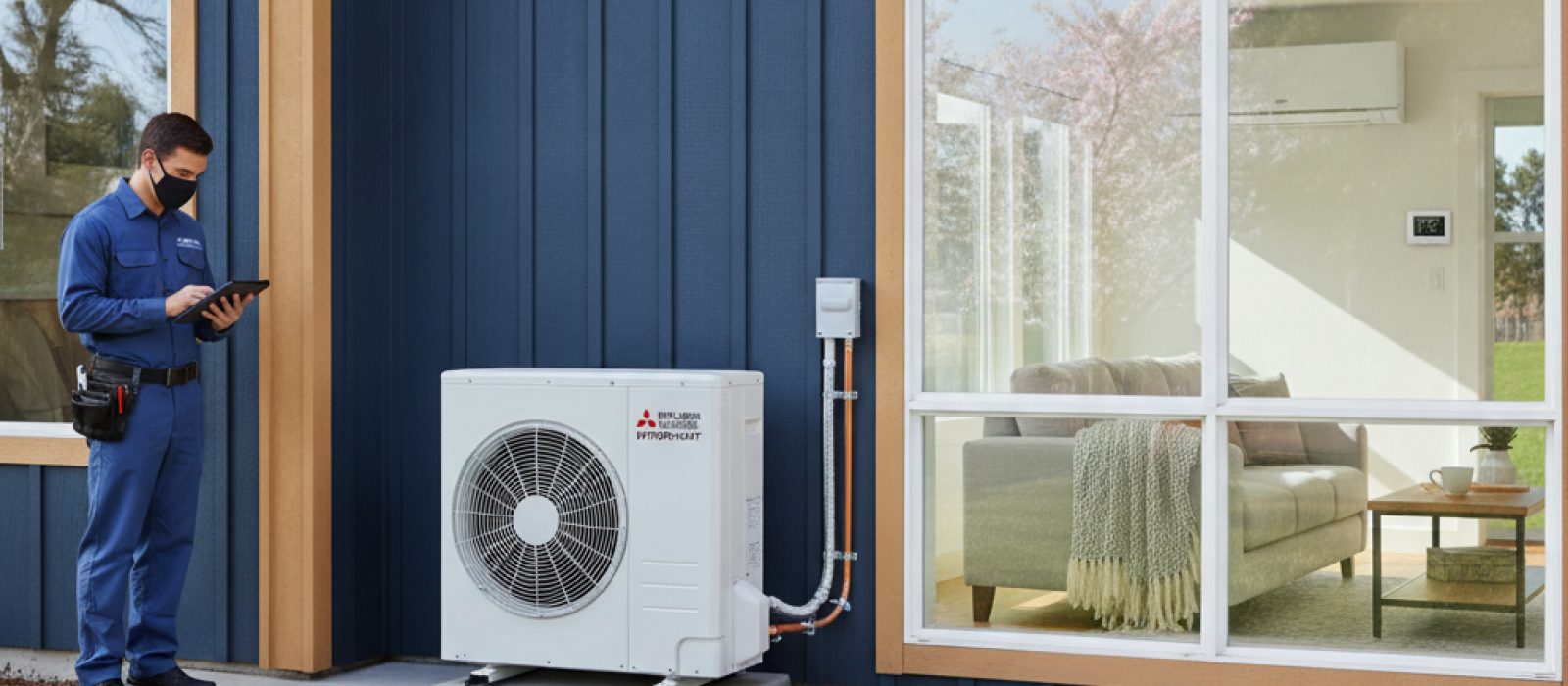
A comprehensive look at Mitsubishi mini-split technology and Hyper-Heat performance for year-round climate control in U.S. homes.
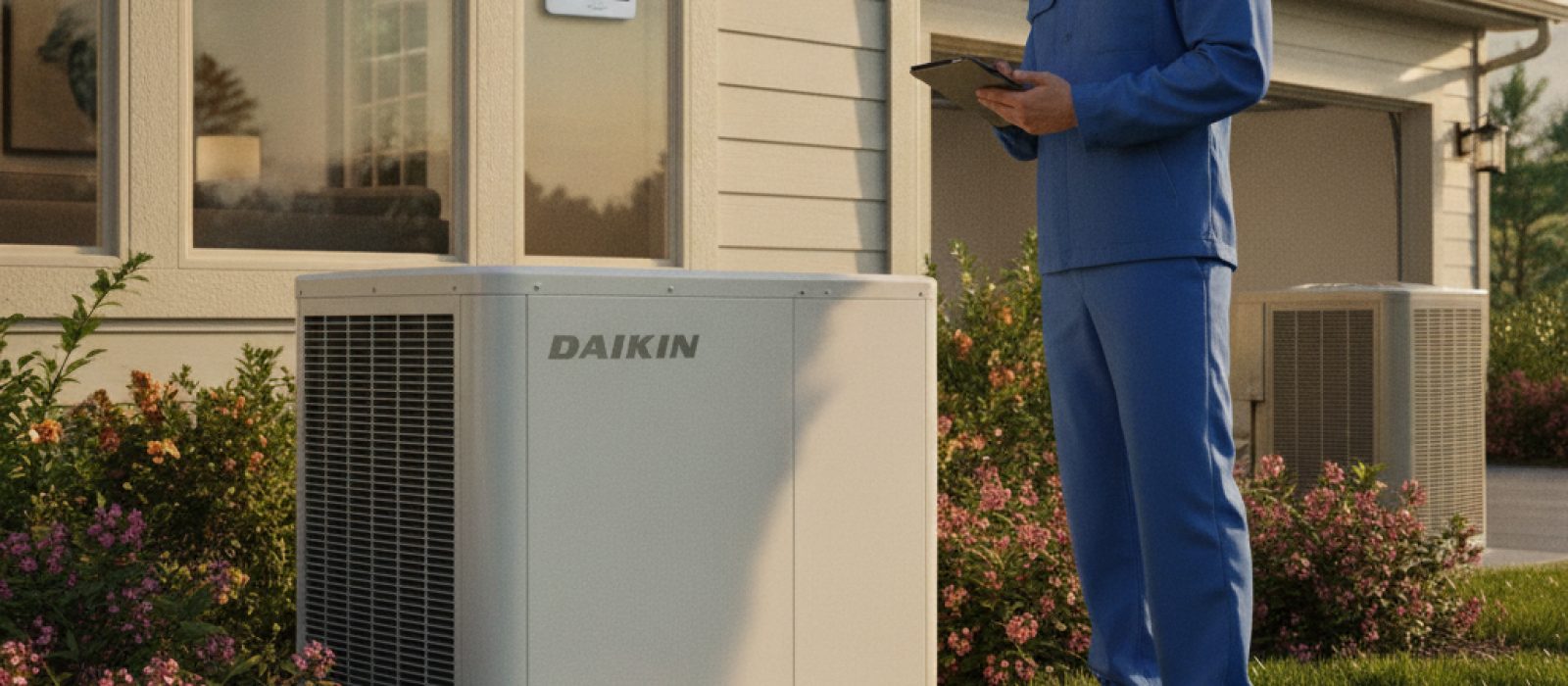
A comprehensive guide to understanding Daikin HVAC systems, including model tiers, standard maintenance requirements, and factory warranty coverage.
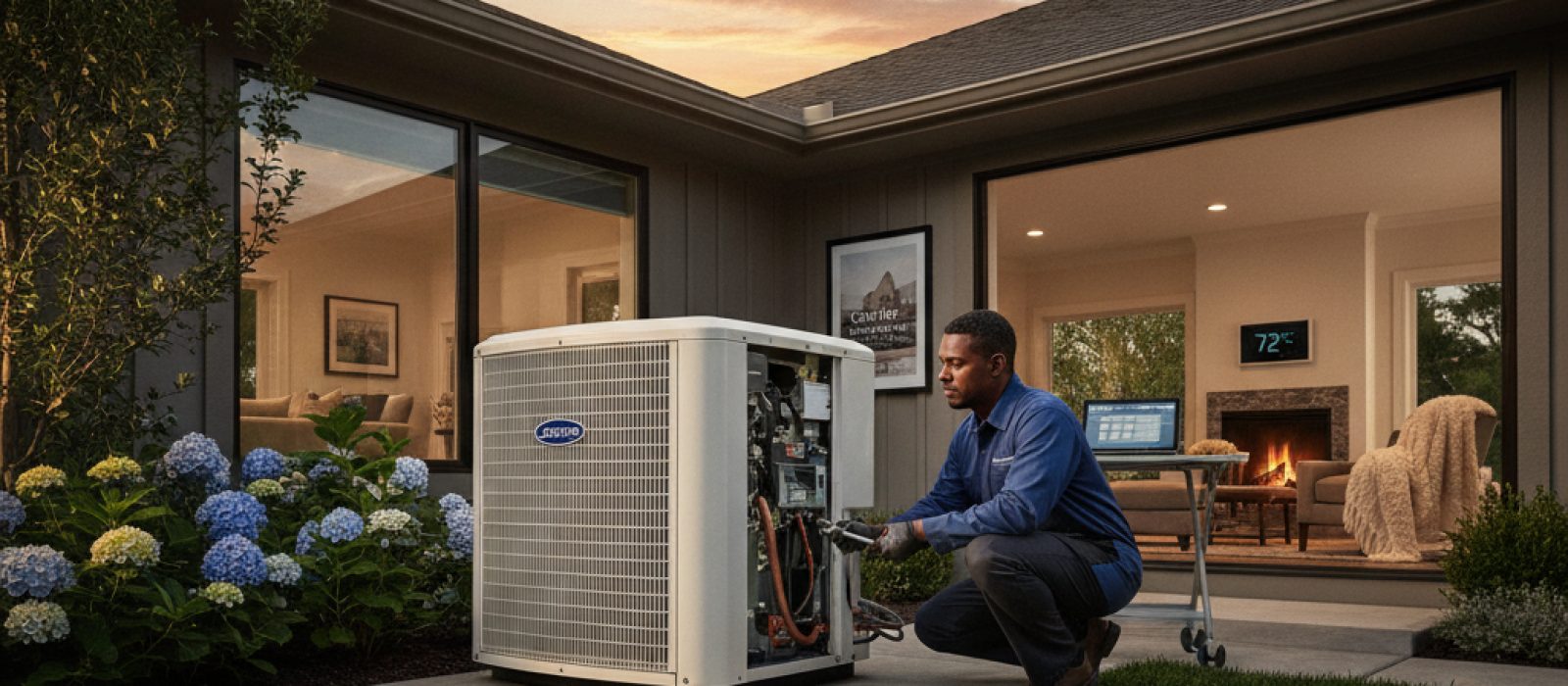
A comprehensive guide to understanding Carrier air conditioning systems, efficiency ratings, installation factors, and maintenance requirements.
An objective look at Goodman HVAC systems, covering performance, longevity, and what homeowners should know before choosing a budget-friendly cooling solution.
A guide to understanding Trane residential cooling systems, including component integration and maintenance requirements for homeowners.
Be the first to comment.