
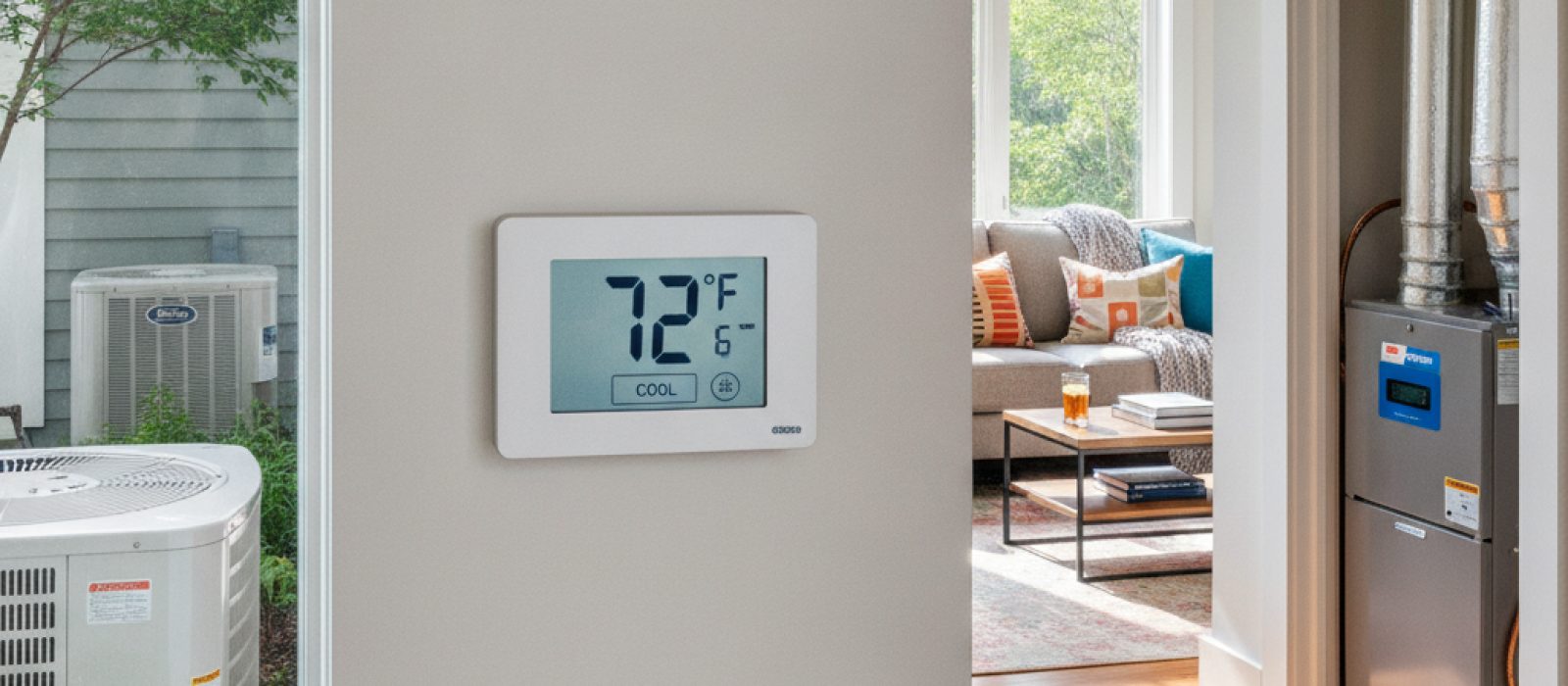
York, Ruud, Bryant and American Standard HVAC: Brand Overview
A guide to understanding the cooling technology and reliability of four major HVAC manufacturers for U.S. homeowners.
3 min read

An air conditioner that repeatedly trips the circuit breaker is indicating that the system is drawing more electrical current than the circuit can safely handle. This is a protective measure designed to prevent electrical fires and damage to your home’s wiring. When the breaker 'trips,' it cuts power to the unit, stopping the flow of electricity. While this safety feature works as intended, frequent tripping suggests a malfunction that requires investigation.
Several factors can cause an air conditioning system to draw excessive power. Identifying the root cause is the first step in resolving the issue, though many of these steps require technical expertise.
A clogged air filter forces the blower motor to work harder to pull air through the system. This increased strain on the motor can cause it to pull more amperage, eventually leading to a tripped breaker. Checking the filter is a standard part of routine Maintenance & Tune-up procedures that homeowners can perform monthly.
The outdoor unit, or condenser, relies on coils to release heat removed from the indoors. If these coils are covered in dirt, grass clippings, or debris, the unit cannot dissipate heat efficiently. The compressor must run for longer periods and at higher pressures, which may lead to an over-current condition.
When an AC system is low on refrigerant, the compressor often runs continuously in an attempt to reach the set temperature. This constant, high-pressure operation increases electrical demand. Low refrigerant levels also suggest a leak, which requires specialized repair from a licensed professional.
Capacitors are essential for providing the initial jolt of energy needed to start the compressor and fan motors. As a capacitor ages, it may lose its ability to store and release this charge, causing the motor to struggle during startup. A struggling motor draws significantly more power, which often results in a tripped breaker. Additionally, loose or corroded electrical connections within the disconnect box or the air handler can create resistance, resulting in heat buildup and electrical faults.
Electricity is inherently dangerous. While inspecting a filter or clearing debris from around the outdoor unit is safe for most homeowners, internal electrical work is not. Attempting to troubleshoot the contactor, capacitor, or wiring inside the electrical panel poses a risk of severe shock or injury.
If the breaker trips immediately upon being reset, stop attempting to power the unit. Repeatedly flipping a breaker that is actively protecting a short-circuited system can lead to melted wires or fire hazards. If you suspect an electrical fault, contact a professional experienced in Electrical Services to diagnose the wiring safely.
If the system is old or has not been serviced in several years, the issue may be a failing motor or compressor. A technician can perform a comprehensive diagnostic to determine if the issue is a simple fix or a sign of system failure. In some cases, persistent electrical issues are a sign that the entire unit has reached the end of its lifespan, necessitating a discussion about Energy Efficient Solutions for a replacement.
Beyond the cooling unit itself, sometimes the problem lies within the home's electrical panel. If other appliances are also struggling or if the lights flicker when the AC kicks on, the issue might be an overloaded circuit or an aging breaker that has become weak over time. In these instances, a professional evaluation of your home’s electrical infrastructure is essential.
Consistent care is the best way to prevent electrical strain on an AC system. Scheduling professional Maintenance & Tune-up visits ensures that electrical connections are tightened, capacitors are tested, and motors are lubricated. Furthermore, keeping the area around your outdoor unit clear of vegetation ensures proper airflow, which reduces the load on the compressor. If your home has older, undersized ductwork, you may also consider looking into Ductwork Services to ensure your system is not struggling against excessive static pressure.
A guide to understanding the cooling technology and reliability of four major HVAC manufacturers for U.S. homeowners.
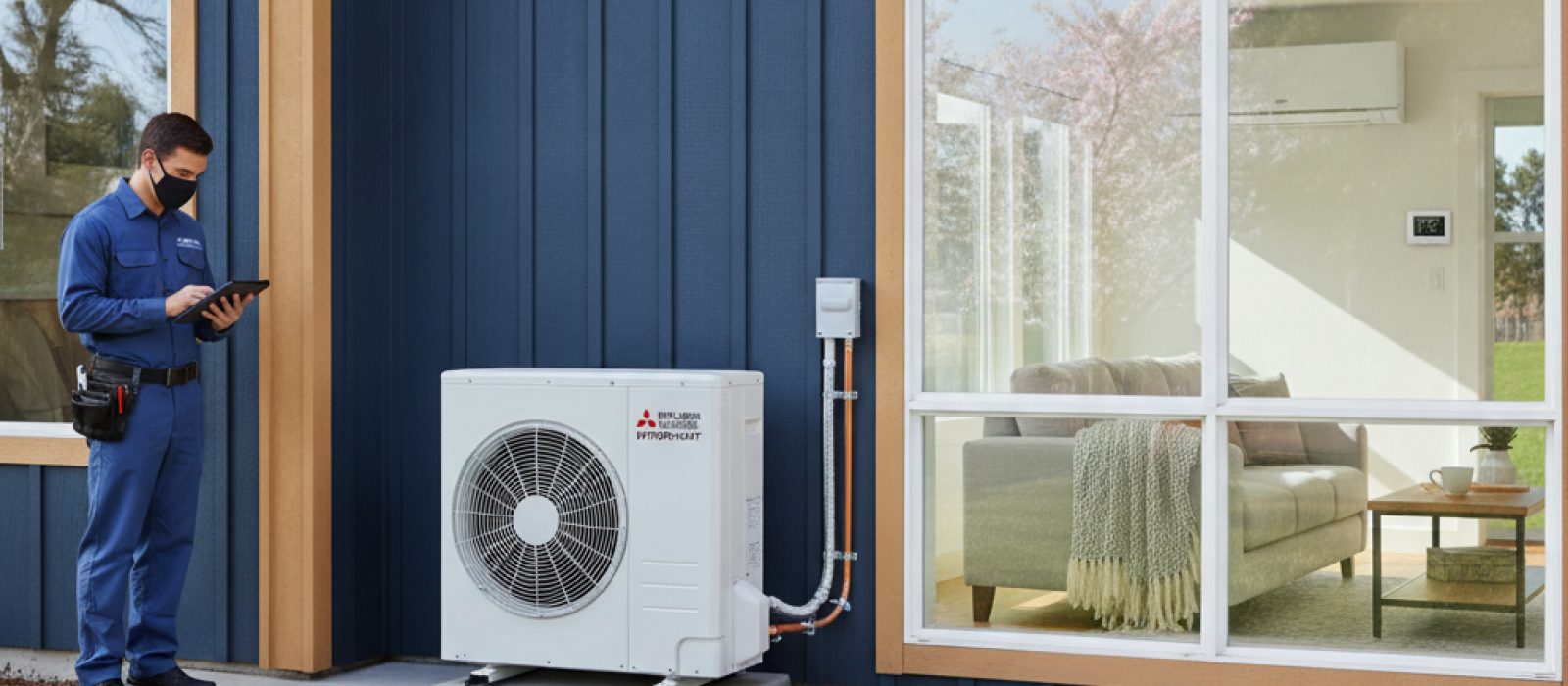
A comprehensive look at Mitsubishi mini-split technology and Hyper-Heat performance for year-round climate control in U.S. homes.
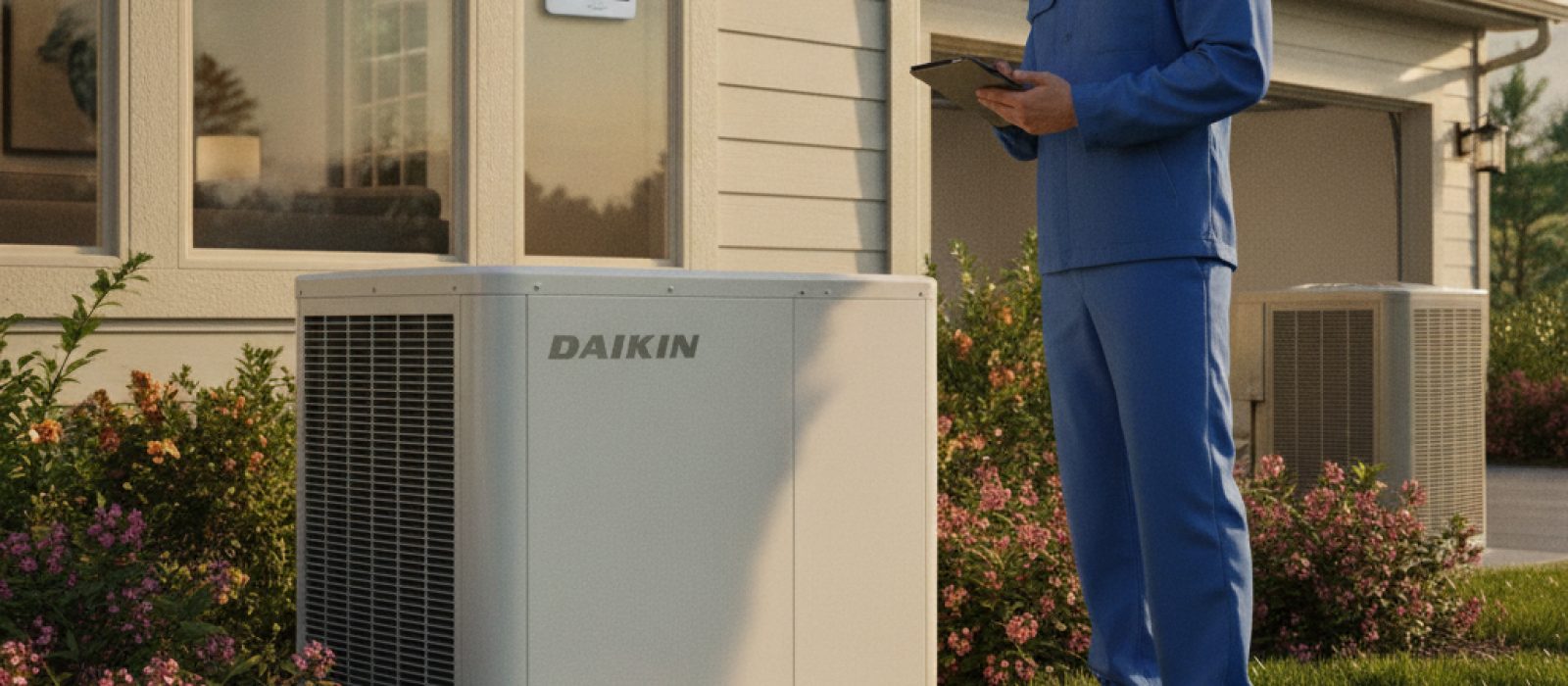
A comprehensive guide to understanding Daikin HVAC systems, including model tiers, standard maintenance requirements, and factory warranty coverage.
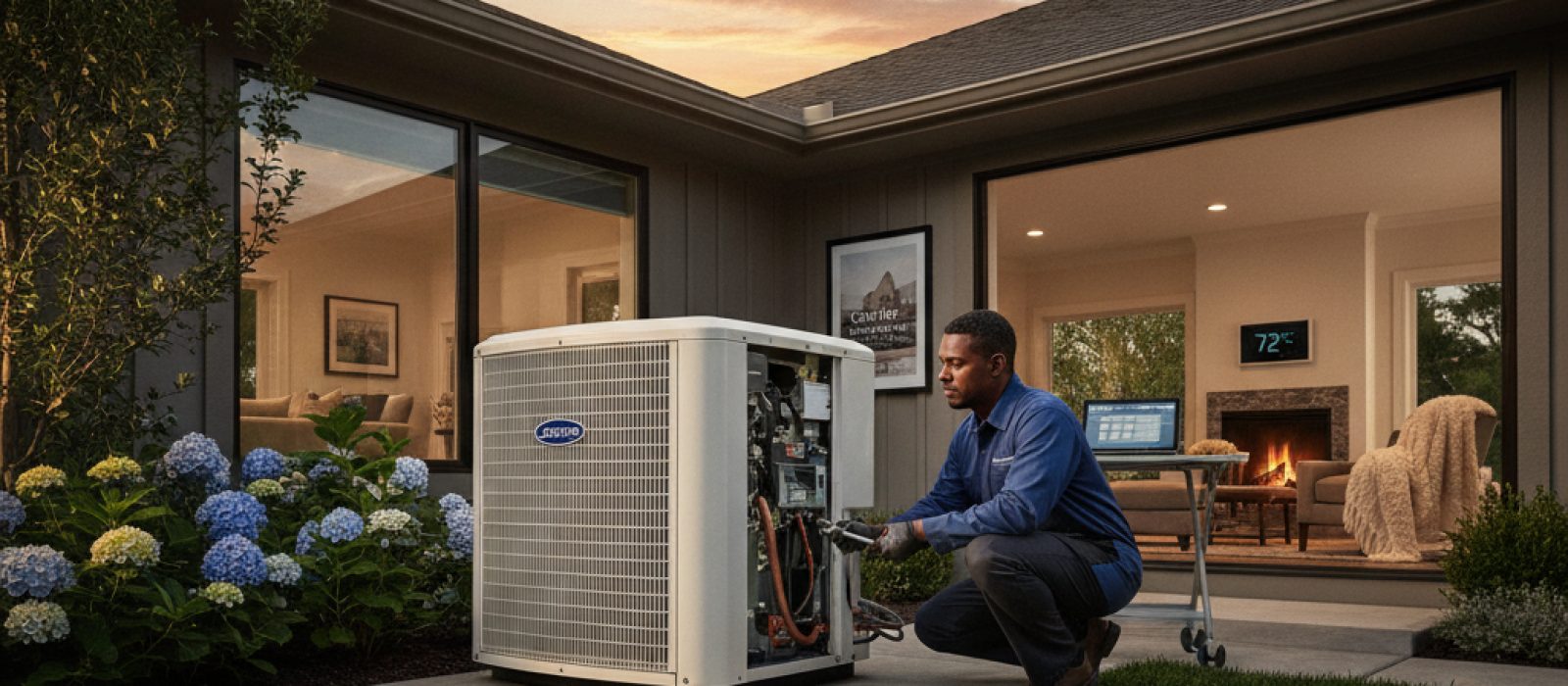
A comprehensive guide to understanding Carrier air conditioning systems, efficiency ratings, installation factors, and maintenance requirements.
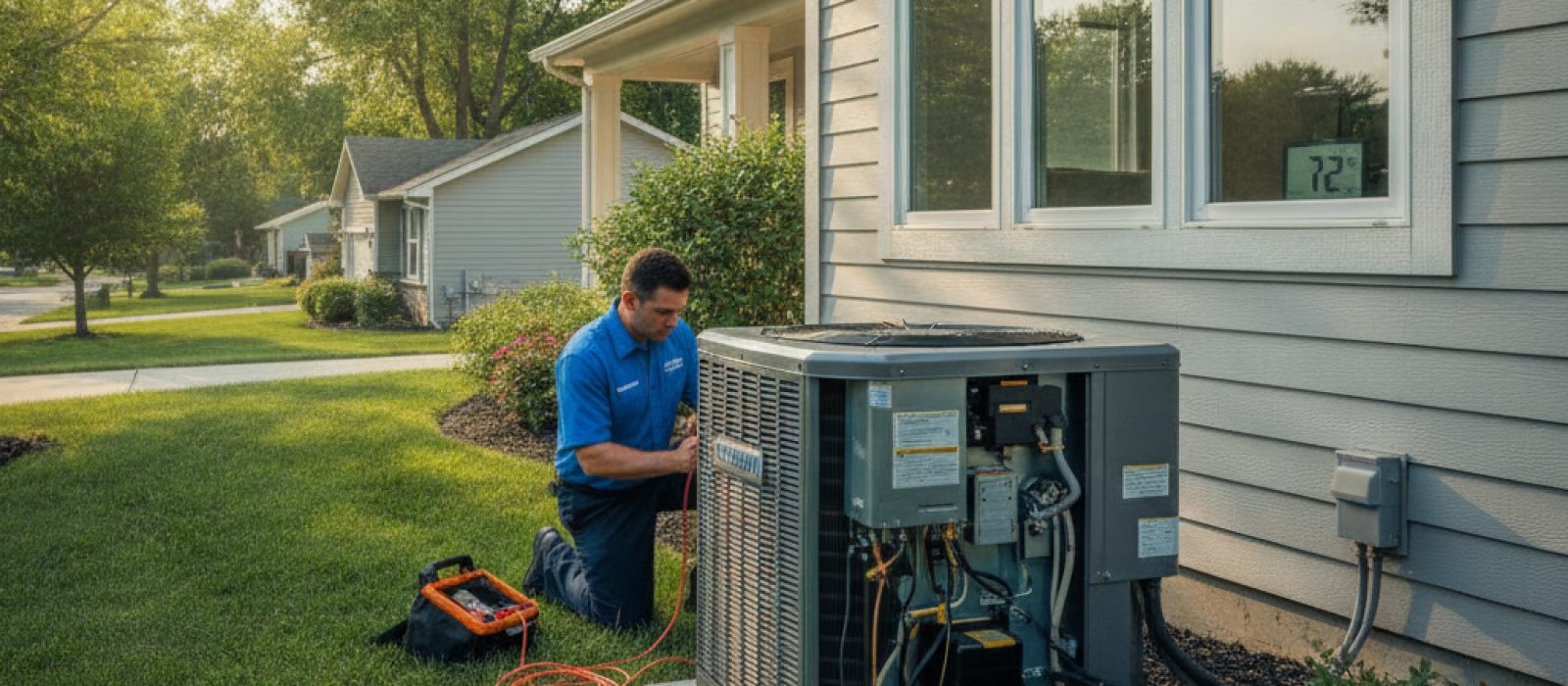
An objective look at Goodman HVAC systems, covering performance, longevity, and what homeowners should know before choosing a budget-friendly cooling solution.
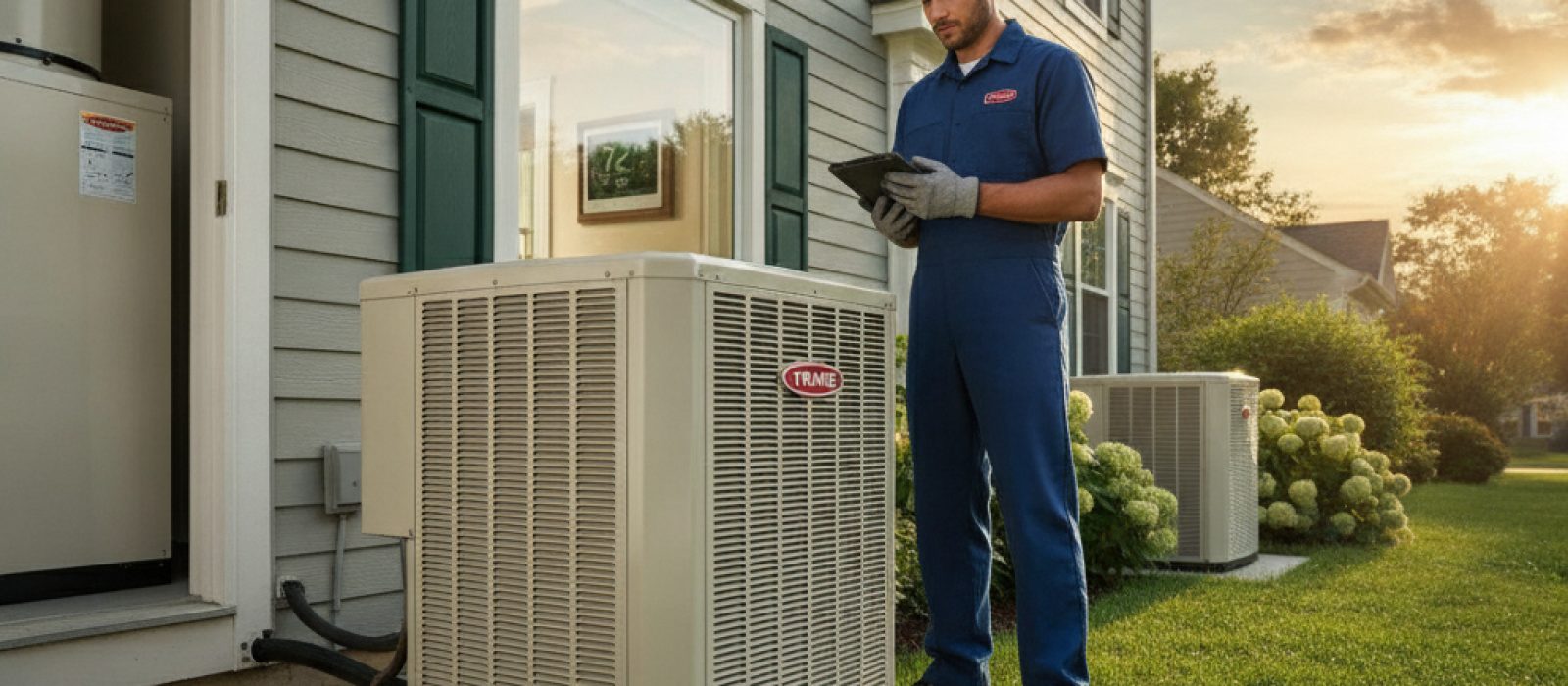
A guide to understanding Trane residential cooling systems, including component integration and maintenance requirements for homeowners.
Be the first to comment.