
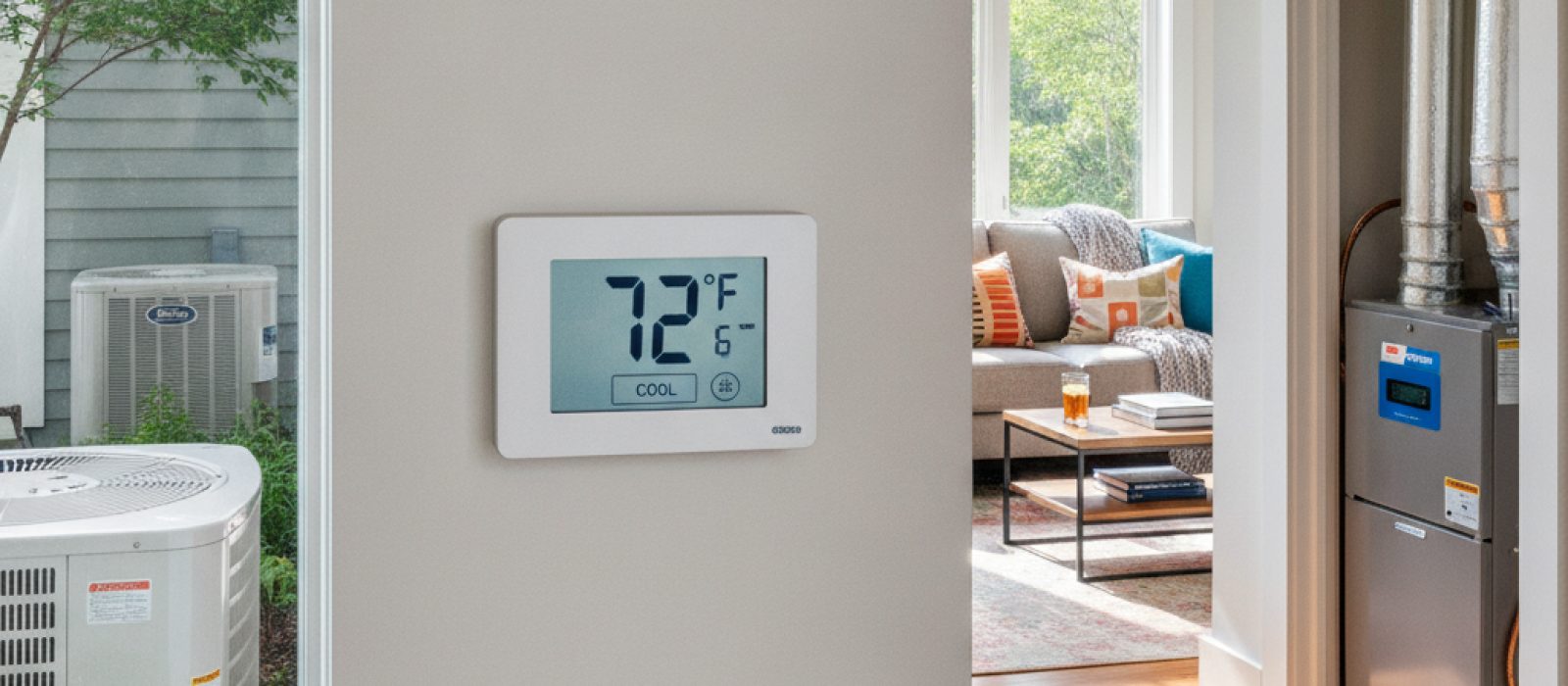
York, Ruud, Bryant and American Standard HVAC: Brand Overview
A guide to understanding the cooling technology and reliability of four major HVAC manufacturers for U.S. homeowners.
4 min read

When the outdoor fan on an air conditioning unit stops spinning while the system is running, the unit loses its ability to transfer heat effectively. This leads to the compressor overheating, which can cause the entire system to shut down to prevent permanent damage. Before diagnosing the issue, verify that the indoor thermostat is set to 'Cool' and that the temperature setpoint is lower than the current room temperature.
It is important to understand that the outdoor fan and the compressor often work in tandem. If the fan is stationary but the compressor is humming, the problem is likely isolated to the fan motor or its starting components. If both are silent, the issue may be electrical, involving the power supply or the thermostat signal.
Working on HVAC equipment involves high-voltage electricity and pressurized components. Always turn off the power at the outdoor disconnect box or the main electrical panel before attempting any inspection. Never attempt to open the electrical cabinet of the AC unit if you are not comfortable working with high-voltage wiring. If you suspect a refrigerant leak or an internal mechanical failure, contact a professional for AC Services immediately.
The start-run capacitor is a small, cylindrical component that provides the necessary jolt of electricity to start the fan motor and keep it spinning. Capacitors naturally degrade over time due to heat exposure and electrical stress. If the capacitor fails, the fan motor may be unable to start on its own.
A telltale sign of a failing capacitor is a fan that needs a 'push' to start—though you should never attempt to push a fan blade by hand while the power is on. If the capacitor is bulging or leaking fluid at the top, it has failed and requires replacement. This is a task that requires specific technical knowledge to discharge the component safely before handling.
Sometimes the cause is mechanical rather than electrical. Debris such as leaves, twigs, or small branches can get trapped in the fan cage, physically preventing the blades from rotating. Carefully inspect the top of the unit for obstructions. Ensure the power is off before clearing any debris.
If the fan spins freely by hand but does not rotate when the power is turned on, the motor itself may have reached the end of its service life. Over time, motor bearings can seize up. If you notice a grinding or squealing noise before the fan stops, this often indicates failing bearings. In these instances, the motor must be replaced by a technician during a visit for Maintenance & Tune-up.
The contactor is an electrical switch that receives the signal from your thermostat to turn the AC unit on. If the contactor is pitted, burned, or stuck, it may fail to send power to the fan motor or the compressor. You can often see signs of this by inspecting the contactor for charred plastic or blackened metal contacts.
Because the contactor handles high-voltage current, it is prone to wear. If you suspect the contactor is faulty, it is best to have a professional perform an inspection. During routine Maintenance & Tune-up, technicians typically check the contactor for signs of wear to prevent unexpected failures during peak summer heat.
The signal to start the outdoor unit originates at the thermostat and travels through low-voltage wiring to the outdoor control board or relay. If the thermostat is not calibrated correctly or if there is a break in the low-voltage wire, the outdoor unit may not receive the command to start. Check your Thermostat Services settings to ensure the system is not in a delay mode or experiencing a communication error.
In newer, high-efficiency systems, the control board manages the startup sequence. If the control board detects an error, such as a pressure switch fault, it may intentionally prevent the fan from starting to protect the system. Troubleshooting these electronic faults often requires specialized diagnostic tools that professionals use during Emergency HVAC calls.
While clearing debris is a safe homeowner task, diagnosing electrical components like capacitors, contactors, and motors is best left to licensed professionals. Attempting to repair these parts without proper training can result in electrical shock or damage to the system's circuit board. If the system continues to hum or if you notice a burning smell, turn off the power immediately and request professional assistance. Regular visits for Maintenance & Tune-up are the most effective way to identify these issues before they lead to a complete system breakdown.
A guide to understanding the cooling technology and reliability of four major HVAC manufacturers for U.S. homeowners.
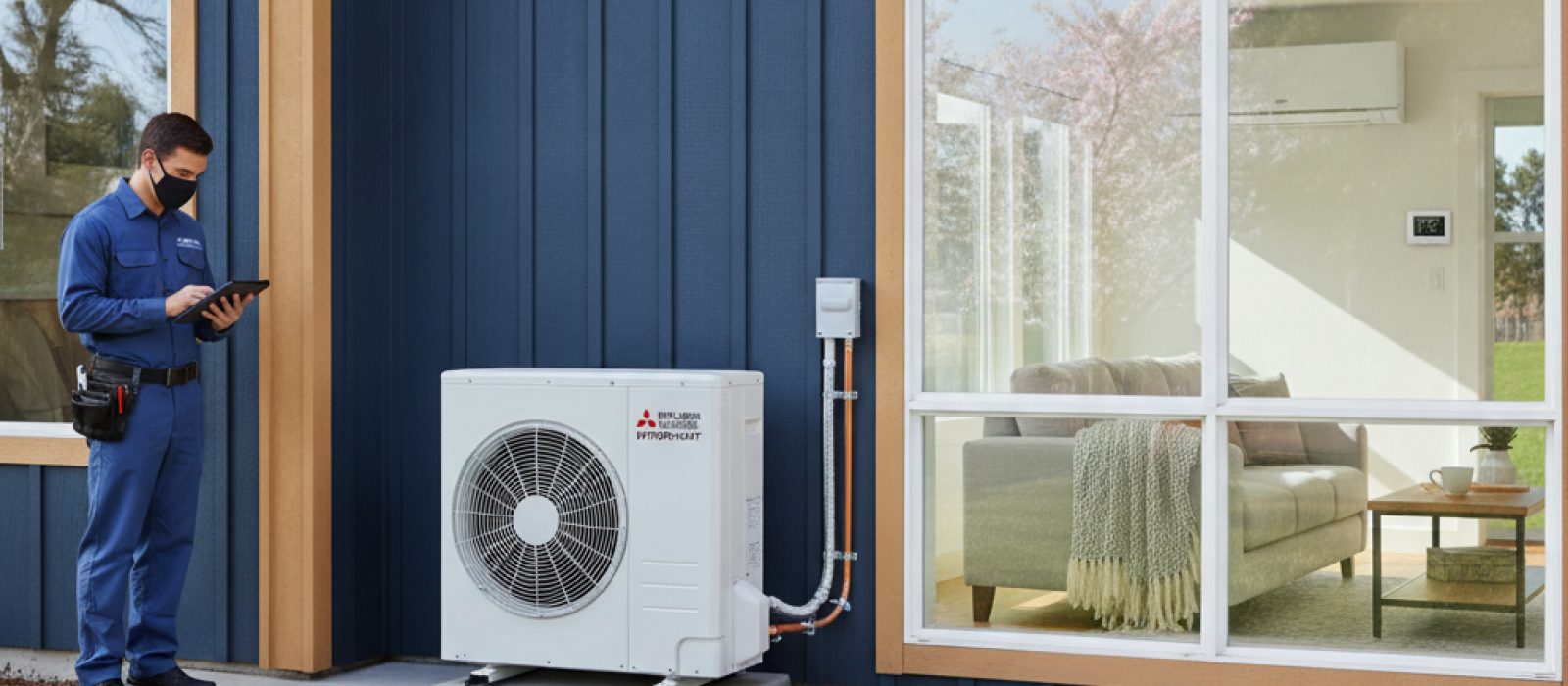
A comprehensive look at Mitsubishi mini-split technology and Hyper-Heat performance for year-round climate control in U.S. homes.
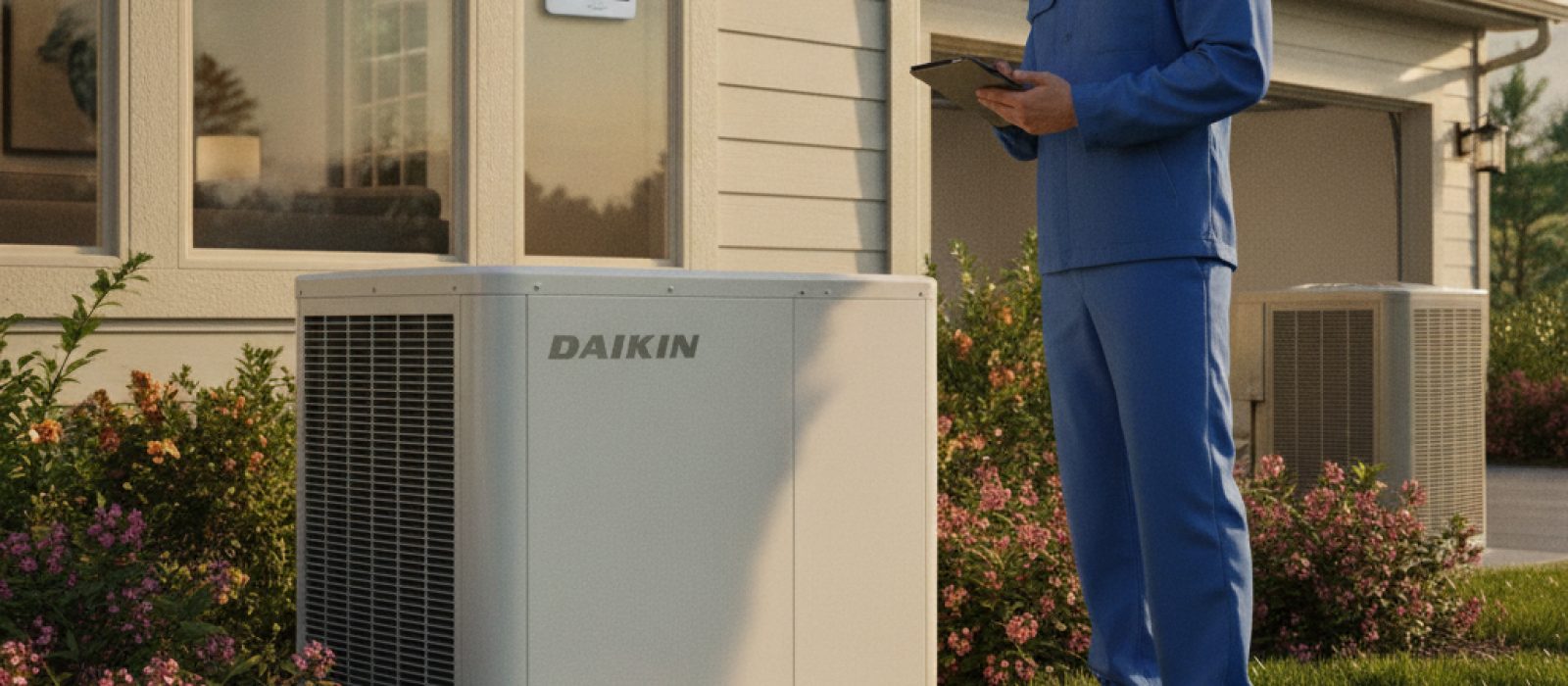
A comprehensive guide to understanding Daikin HVAC systems, including model tiers, standard maintenance requirements, and factory warranty coverage.
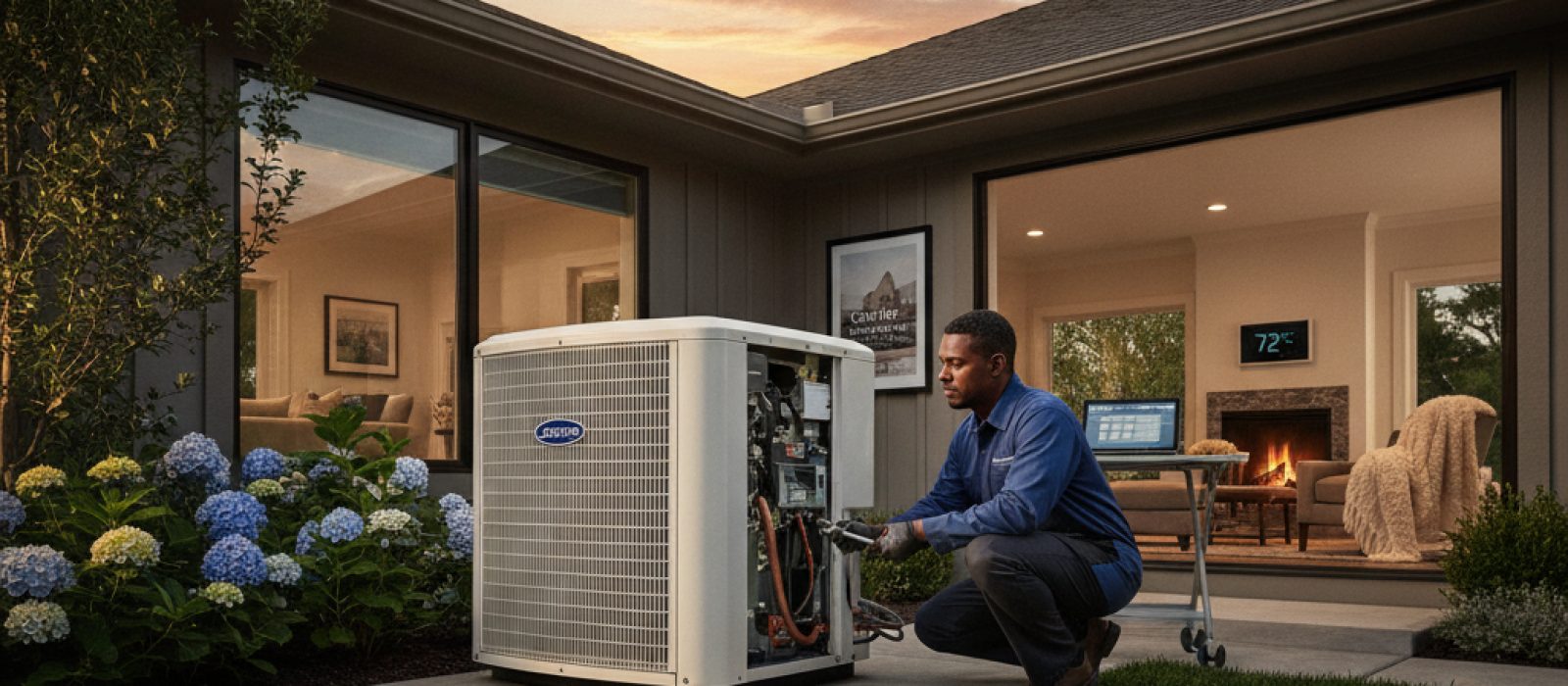
A comprehensive guide to understanding Carrier air conditioning systems, efficiency ratings, installation factors, and maintenance requirements.
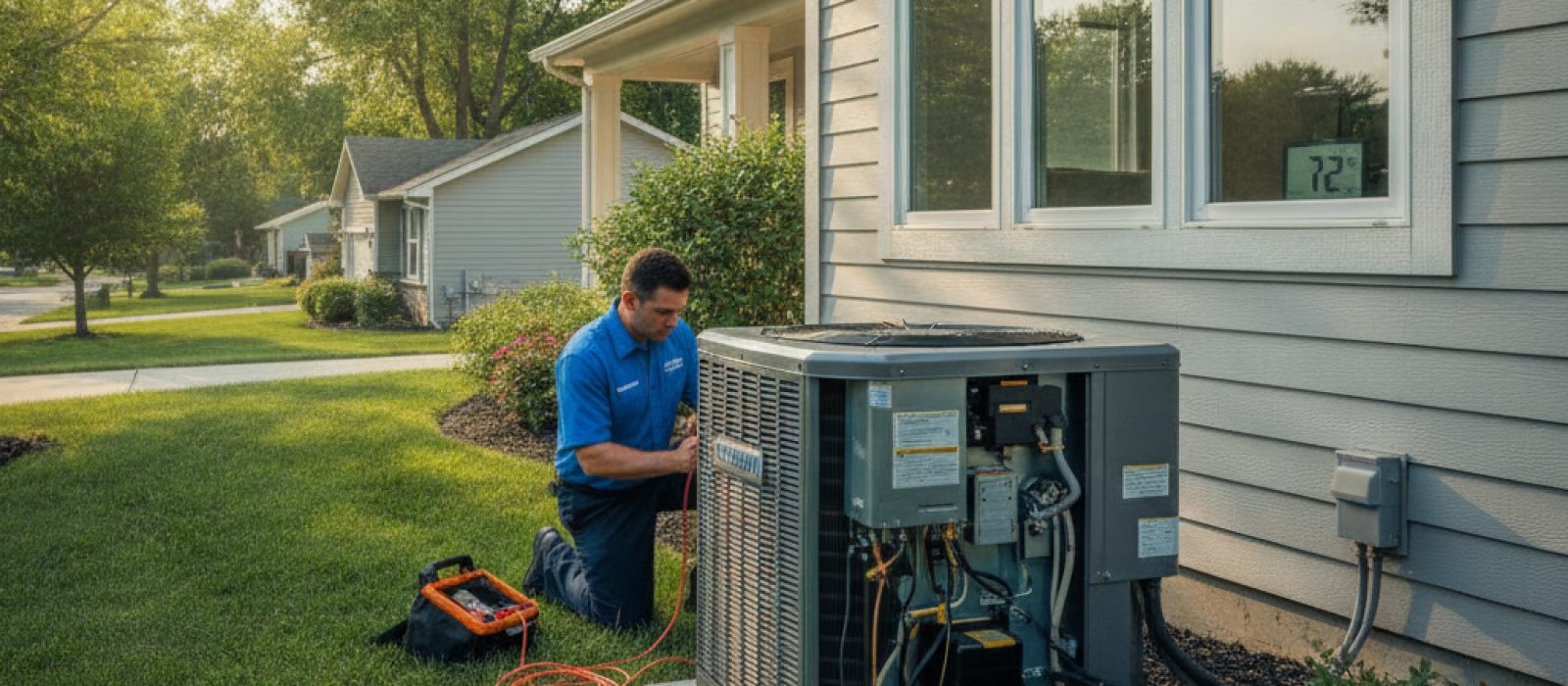
An objective look at Goodman HVAC systems, covering performance, longevity, and what homeowners should know before choosing a budget-friendly cooling solution.
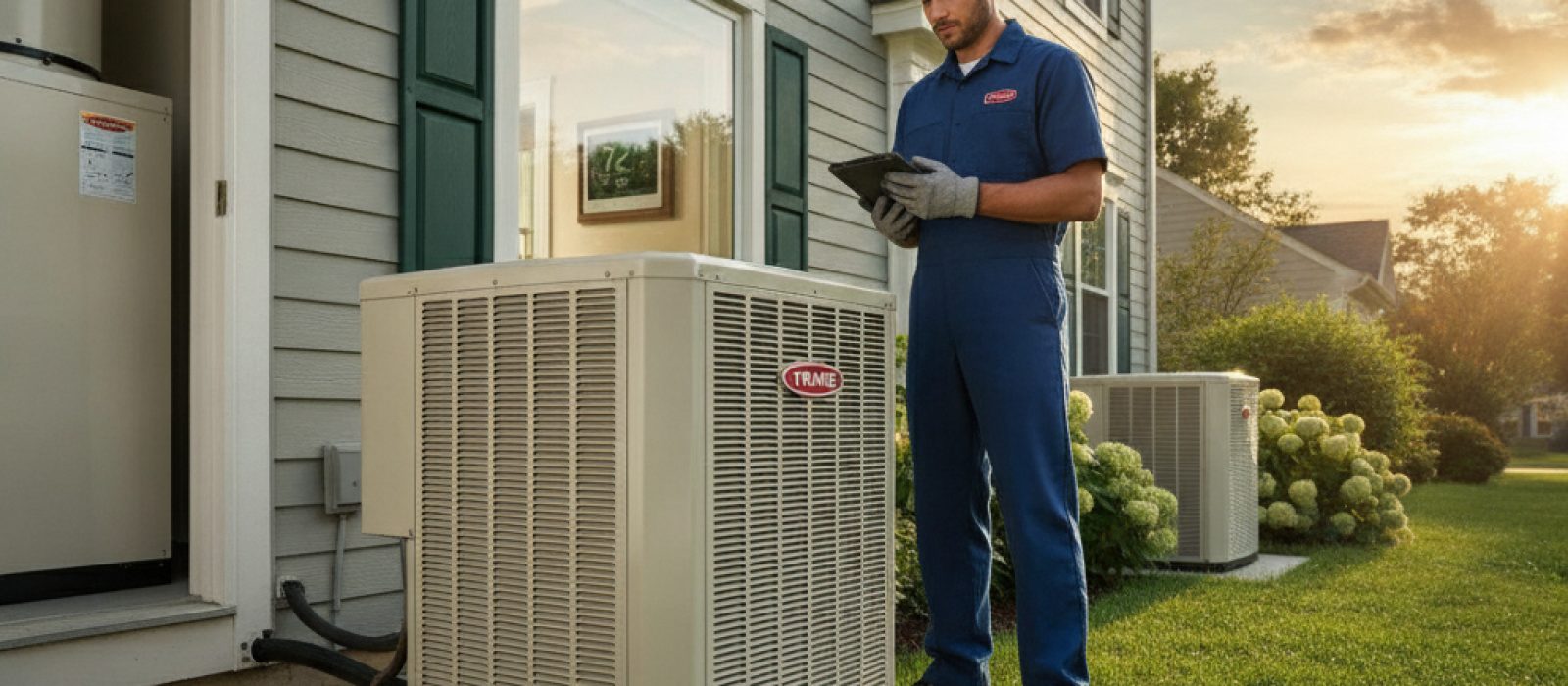
A guide to understanding Trane residential cooling systems, including component integration and maintenance requirements for homeowners.
Be the first to comment.