
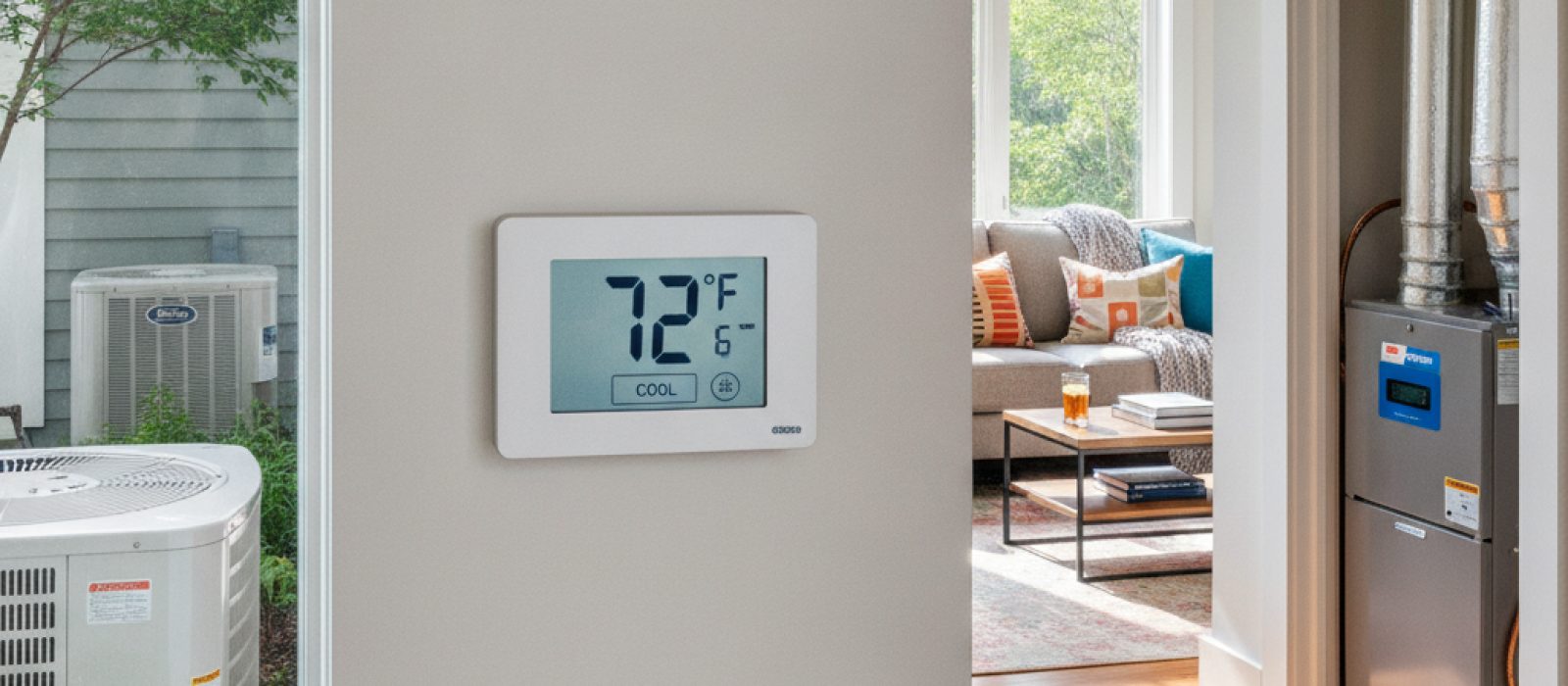
York, Ruud, Bryant and American Standard HVAC: Brand Overview
A guide to understanding the cooling technology and reliability of four major HVAC manufacturers for U.S. homeowners.
4 min read

The evaporator coil is the indoor component of a central air conditioning system responsible for absorbing heat from the home's air. As refrigerant flows through the coil, it evaporates, turning from a liquid to a gas while drawing heat away from the air circulating through the supply vents. This process is essential for both cooling and dehumidification.
Because the coil is constantly exposed to moisture, it is susceptible to corrosion and the accumulation of debris. When a leak develops in the copper tubing or the aluminum fins become heavily obstructed, the system loses its ability to transfer heat efficiently. This usually manifests as a gradual decline in cooling performance, increased electricity consumption, or the system icing up despite warm outdoor temperatures.
Replacing an evaporator coil is a labor-intensive task that requires specialized tools and technical knowledge. Because the coil is housed inside the air handler or furnace cabinet, technicians must often disassemble parts of the ductwork and remove panels to access the assembly. The total cost varies by system and region, influenced heavily by the accessibility of the unit and the specific design of the indoor equipment.
Refrigerant handling is a significant component of the final invoice. Because modern systems use specific types of refrigerant, a technician must recover the existing charge before opening the sealed system, replace the coil, pull a vacuum to remove moisture and non-condensables, and recharge the system to the manufacturer’s exact specifications. Any failure to follow these steps precisely can lead to premature compressor failure.
Before committing to a coil replacement, consider the age of the entire AC system. If the outdoor condenser is approaching the end of its typical service life, replacing only the indoor coil may be a temporary fix. Investing in a new coil for an aging system can sometimes be a case of 'good money after bad,' as other components like the compressor or fan motor may fail shortly thereafter.
Compatibility is another critical hurdle. If the existing system uses an older, phased-out type of refrigerant, replacing the coil may be prohibitively expensive or technically impossible. In such cases, professional technicians often recommend upgrading the entire system to ensure the indoor and outdoor units are matched for optimal efficiency and performance.
Homeowners often mistake dirty coils or low refrigerant for a total system failure. A technician performing a standard Maintenance & Tune-up can determine whether the coil is actually damaged or simply requires a deep cleaning. Sometimes, the issue is not the coil itself but a clogged condensate drain line or a failing blower motor, which are separate issues that do not necessitate a full coil swap.
If a leak is suspected, the technician will typically use electronic leak detectors or ultraviolet dye to pinpoint the location. Do not attempt to repair a refrigerant leak with off-the-shelf sealants found in retail stores. These products can damage professional equipment and lead to long-term issues with the system's expansion valve or compressor. Always prioritize professional intervention when dealing with sealed system components.
While the cost of a new coil may seem manageable compared to a new unit, the long-term value of a newer, more efficient system often outweighs the repair. If the current system is significantly oversized or undersized for the home, or if it lacks modern features like variable-speed blowers, replacing the coil will not address those underlying design flaws.
Furthermore, if the repair cost exceeds a significant percentage of the system's current value, upgrading becomes the more logical choice. This is an ideal time to consult with an expert about Energy Efficient Solutions that could lower monthly utility bills and improve home comfort long-term. A professional can provide a comparison of repair costs versus the potential energy savings gained by switching to a modern, high-SEER2 system.
The longevity of an evaporator coil is directly tied to the cleanliness of the air circulating through the home. Dust, pet dander, and chemical vapors can accelerate the corrosion process, a condition known as formicary corrosion. Consistently changing air filters according to the manufacturer's schedule is the most effective way to protect the coil from debris buildup.
Beyond filters, consider scheduling regular professional inspections to ensure that the evaporator drainage system is clear. Standing water inside the air handler cabinet can create a humid environment that promotes mold growth and speeds up the degradation of the coil’s protective coating. Integrating periodic Indoor Air Quality assessments into your home care routine can help identify environmental factors that might be prematurely wearing out your cooling equipment.
A guide to understanding the cooling technology and reliability of four major HVAC manufacturers for U.S. homeowners.
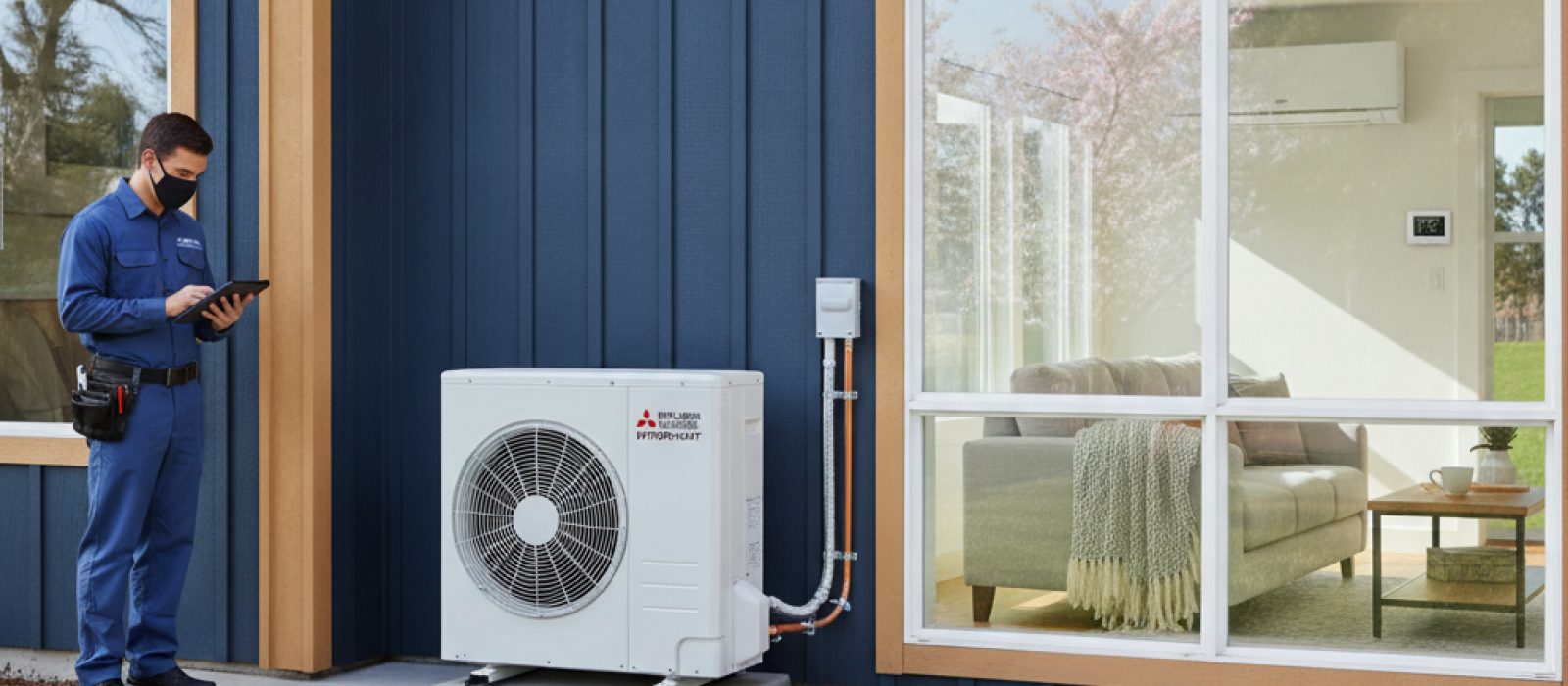
A comprehensive look at Mitsubishi mini-split technology and Hyper-Heat performance for year-round climate control in U.S. homes.
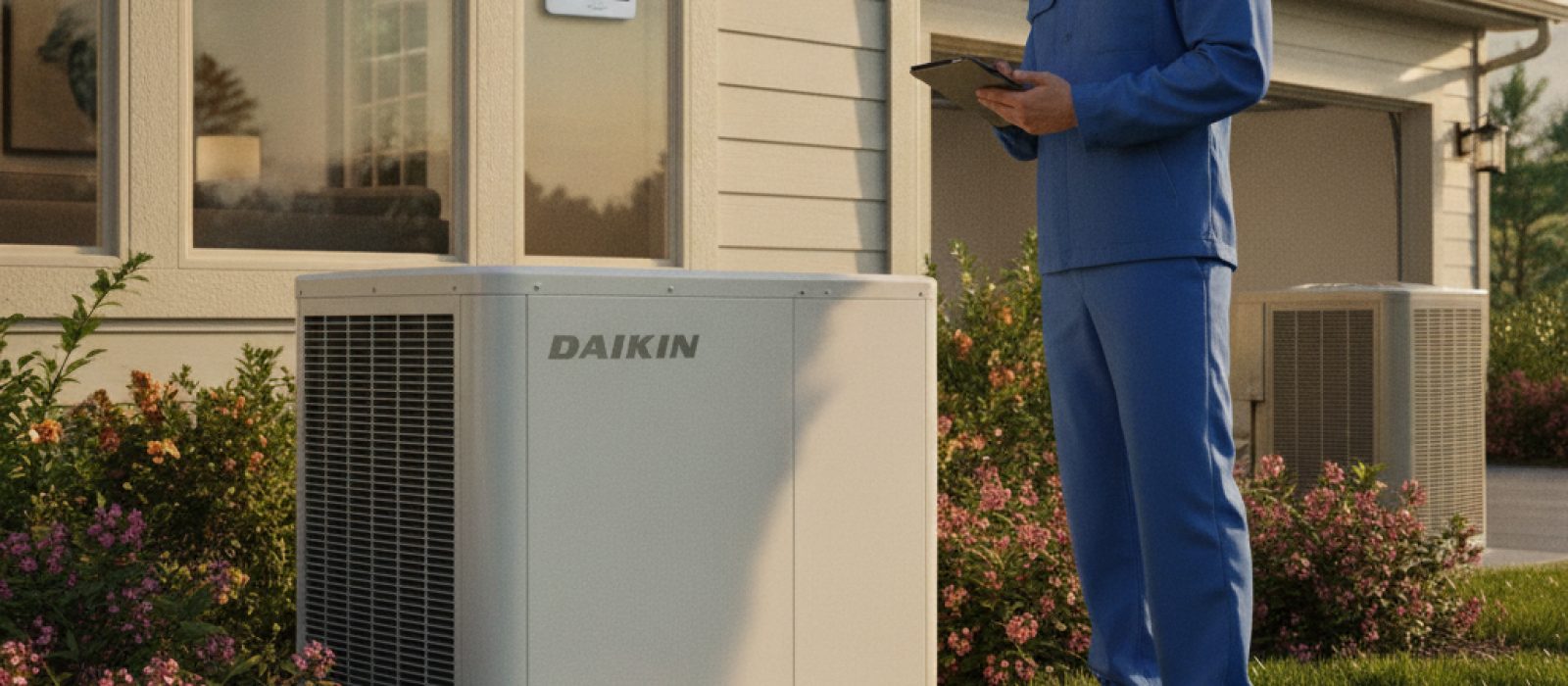
A comprehensive guide to understanding Daikin HVAC systems, including model tiers, standard maintenance requirements, and factory warranty coverage.
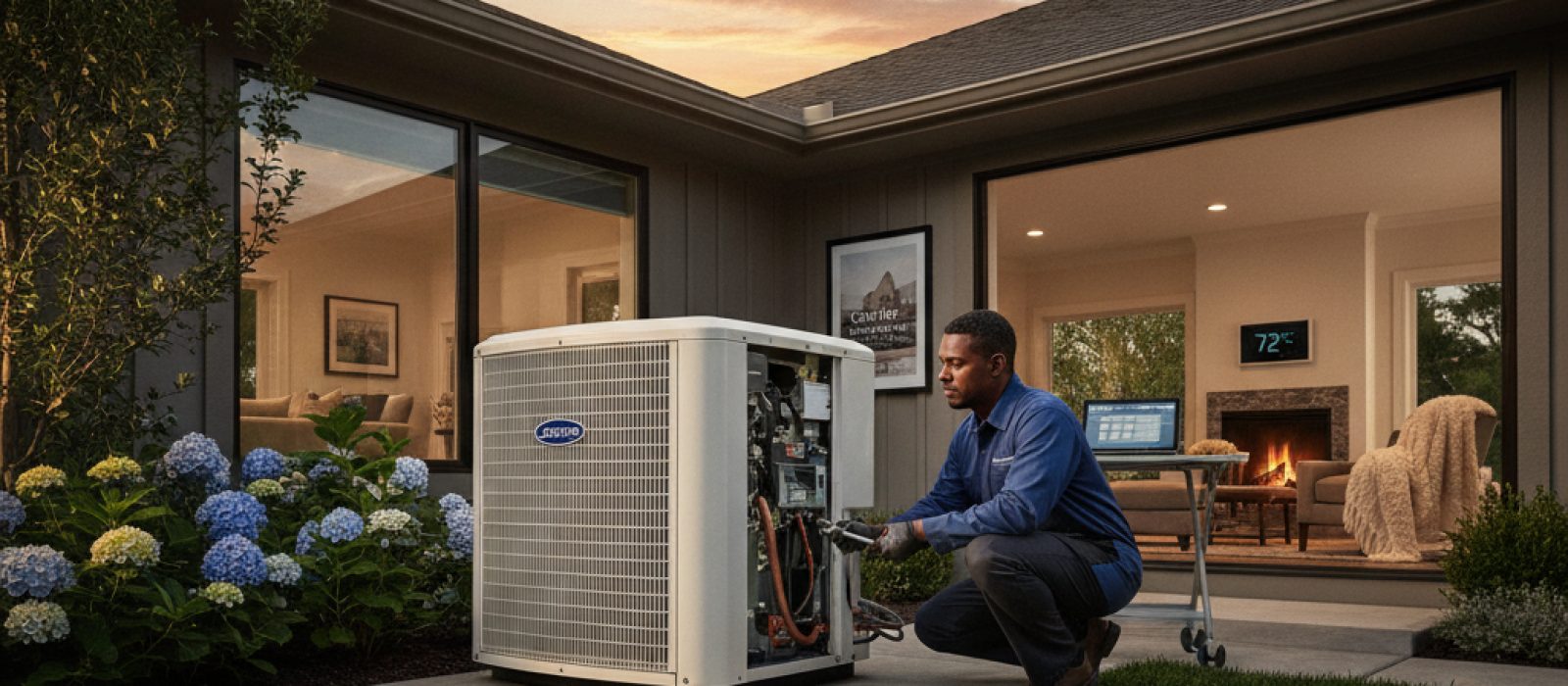
A comprehensive guide to understanding Carrier air conditioning systems, efficiency ratings, installation factors, and maintenance requirements.
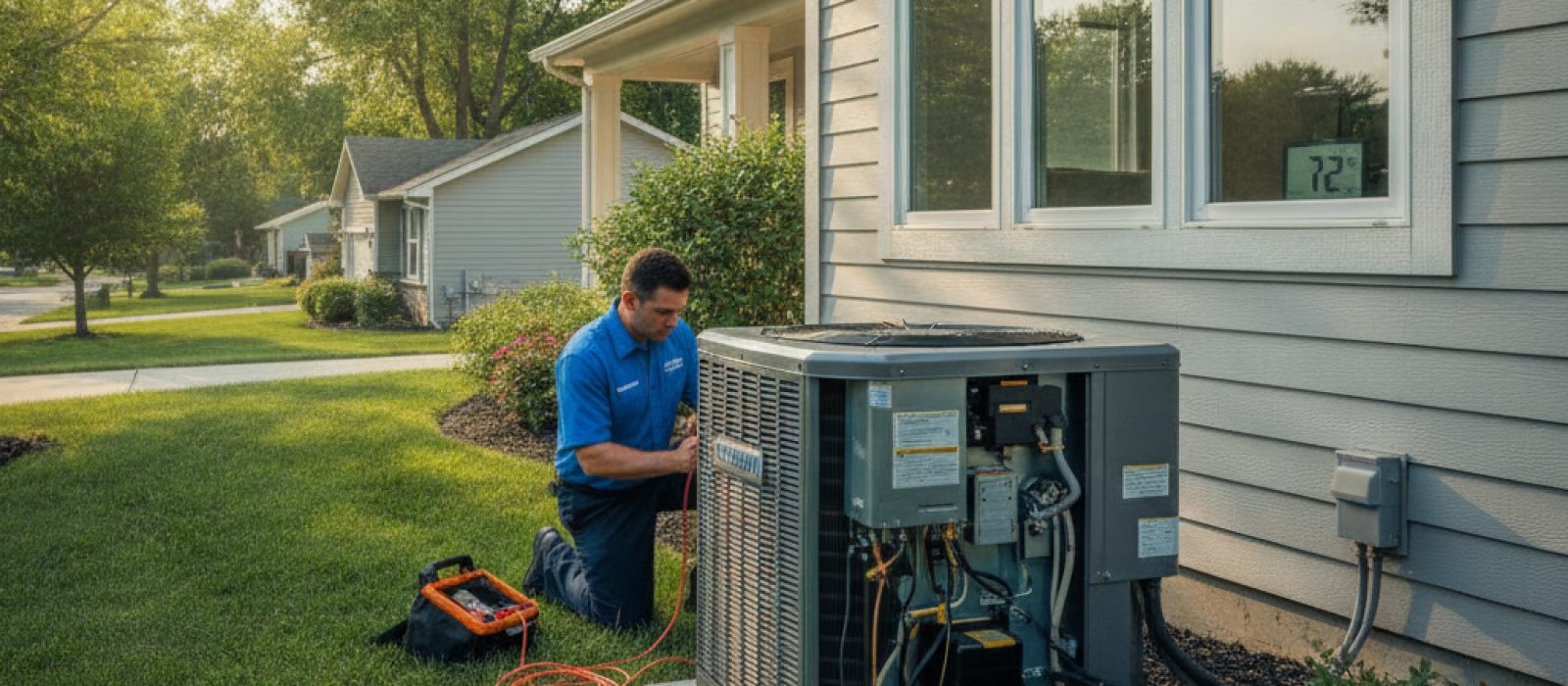
An objective look at Goodman HVAC systems, covering performance, longevity, and what homeowners should know before choosing a budget-friendly cooling solution.
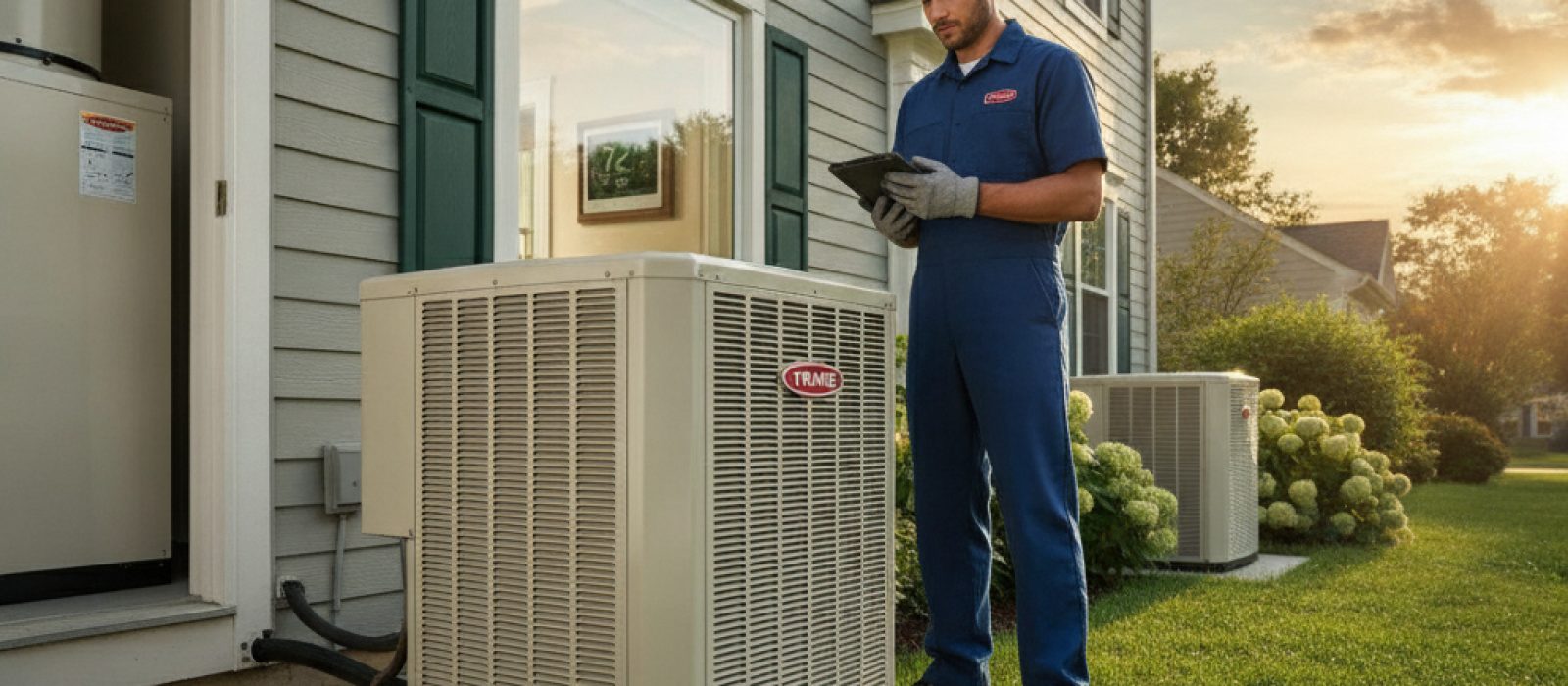
A guide to understanding Trane residential cooling systems, including component integration and maintenance requirements for homeowners.
Be the first to comment.