
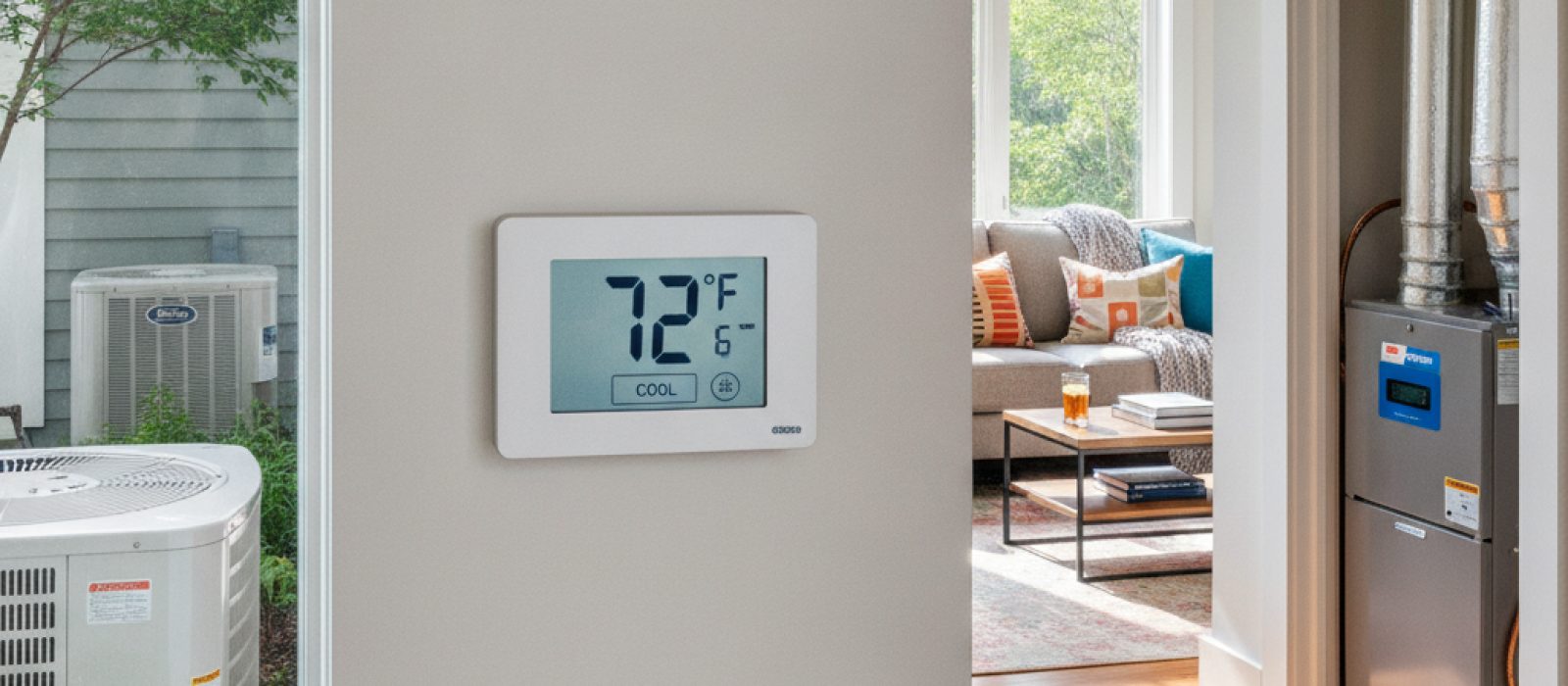
York, Ruud, Bryant and American Standard HVAC: Brand Overview
A guide to understanding the cooling technology and reliability of four major HVAC manufacturers for U.S. homeowners.
3 min read

An AC float switch, often called an overflow switch, is a critical safety component designed to protect your home from water damage caused by your air conditioning system. When your AC unit runs, it naturally pulls humidity from the indoor air, which condenses into water. This water is meant to drain away through a condensate line. If that line becomes blocked by algae, dust, or debris, the water has nowhere to go and will eventually spill over the drain pan. The float switch monitors the water level in that pan; when it rises too high, the switch trips, cutting power to your HVAC system to stop more water from being produced.
Your HVAC system operates in a dark, damp, and cool environment—the perfect breeding ground for mold, mildew, and algae. Over time, these biological growths can accumulate inside the narrow PVC condensate drain line, eventually forming a plug. Additionally, dust and debris from your air filters can find their way into the system, contributing to the blockage. Without a float switch, you might not realize there is a clog until you see water dripping from your ceiling or pooling around your indoor unit.
Water damage is one of the most expensive and frustrating issues a homeowner can face. When an AC drain pan overflows, the water often seeps into drywall, insulation, flooring, and even electrical components. Beyond the immediate structural damage, standing water creates an ideal environment for mold growth, which can lead to poor indoor air quality and potential health concerns for your family. A simple, inexpensive overflow switch acts as your first line of defense against these costly repairs.
The primary function of the float switch is to act as an automatic "kill switch." By cutting power to the air handler or the outdoor condenser before the water can spill, it forces you to address the blockage before it causes property damage. While it may be inconvenient to come home to a warm house because the AC has shut off, it is far better than coming home to a flooded utility closet or ruined drywall.
Depending on your specific HVAC setup, an expert technician might install a float switch in one of two ways:
While these devices are generally "set it and forget it," they are not a substitute for regular maintenance. You should still have your HVAC system professionally cleaned at least once a year to ensure the condensate lines are clear. During these visits, your technician will test the float switch to ensure it moves freely and is still wired correctly to the control board. If you ever notice the switch has tripped, do not simply reset it; check for the underlying clog or call a professional to clear the line so it doesn't happen again immediately.
A guide to understanding the cooling technology and reliability of four major HVAC manufacturers for U.S. homeowners.
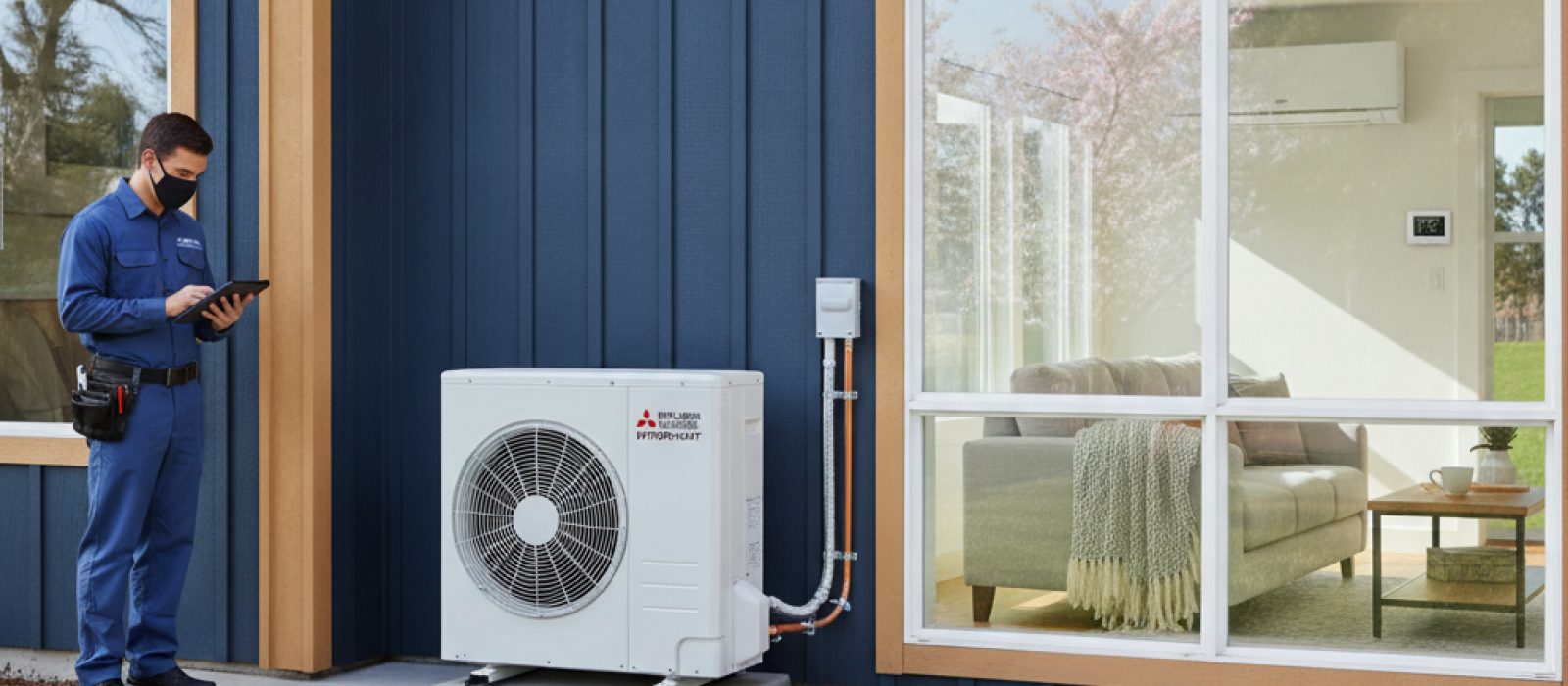
A comprehensive look at Mitsubishi mini-split technology and Hyper-Heat performance for year-round climate control in U.S. homes.
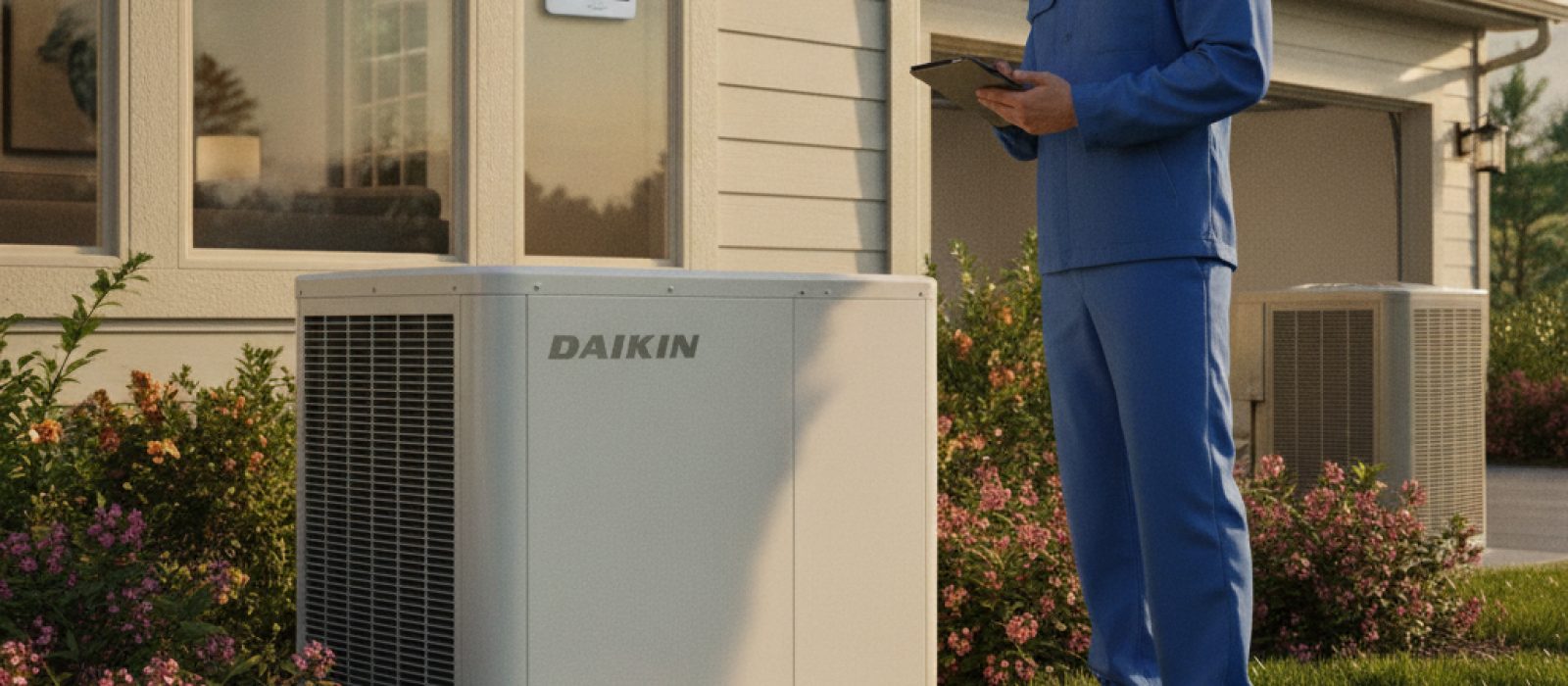
A comprehensive guide to understanding Daikin HVAC systems, including model tiers, standard maintenance requirements, and factory warranty coverage.
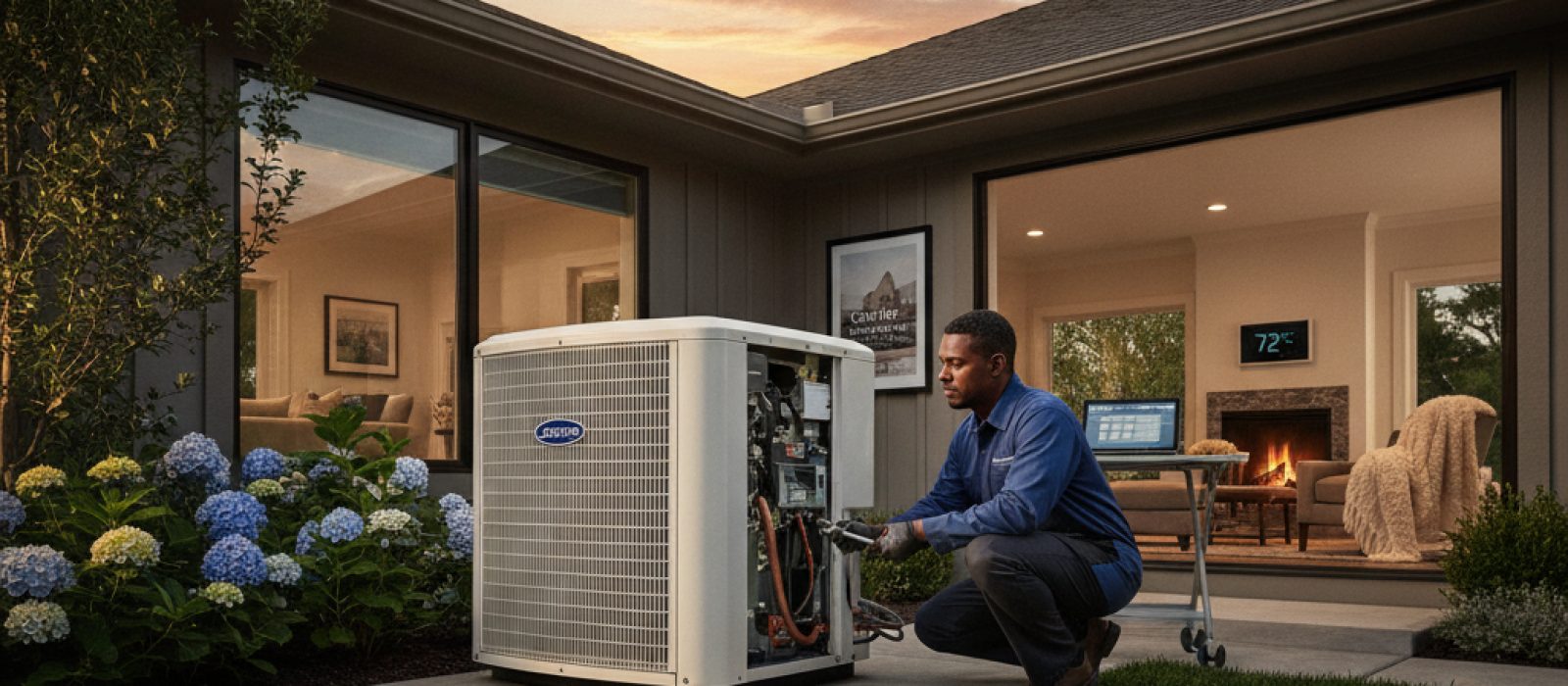
A comprehensive guide to understanding Carrier air conditioning systems, efficiency ratings, installation factors, and maintenance requirements.
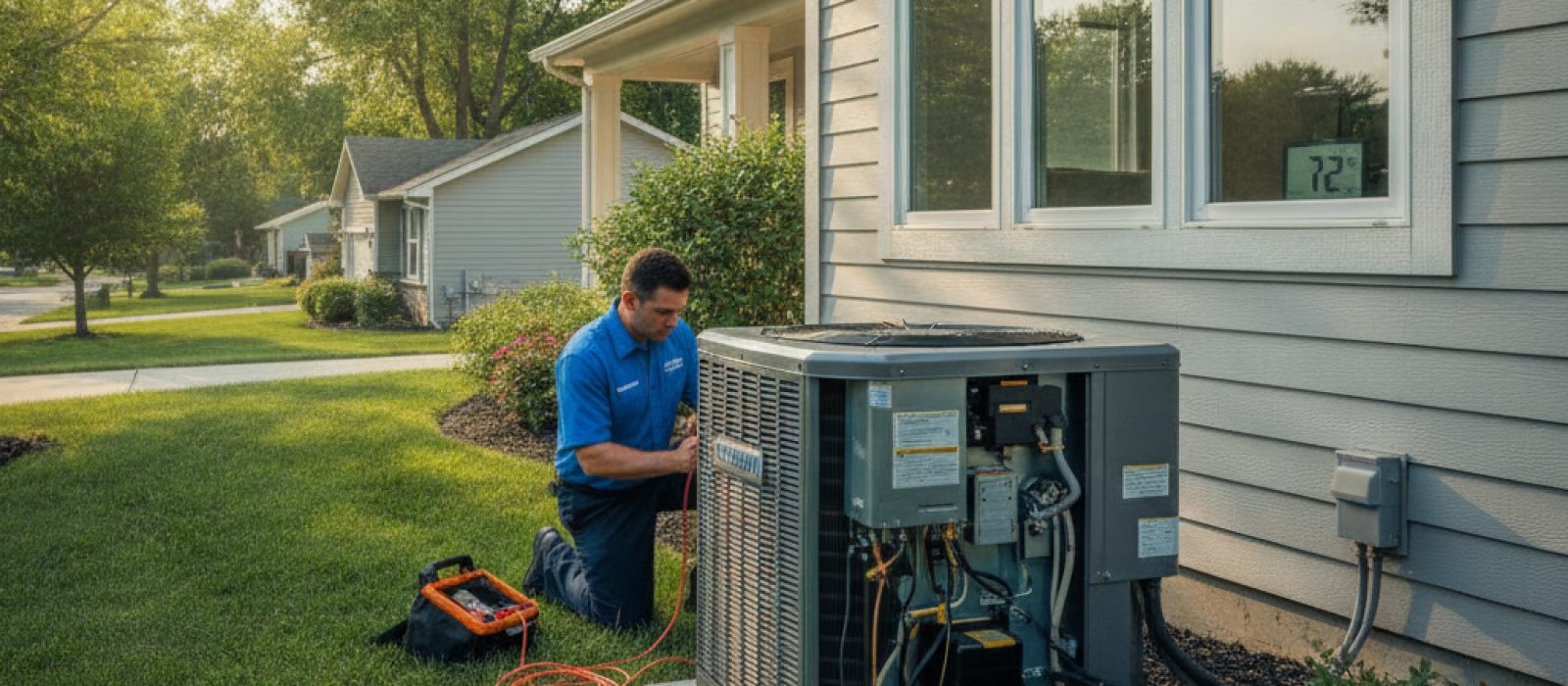
An objective look at Goodman HVAC systems, covering performance, longevity, and what homeowners should know before choosing a budget-friendly cooling solution.
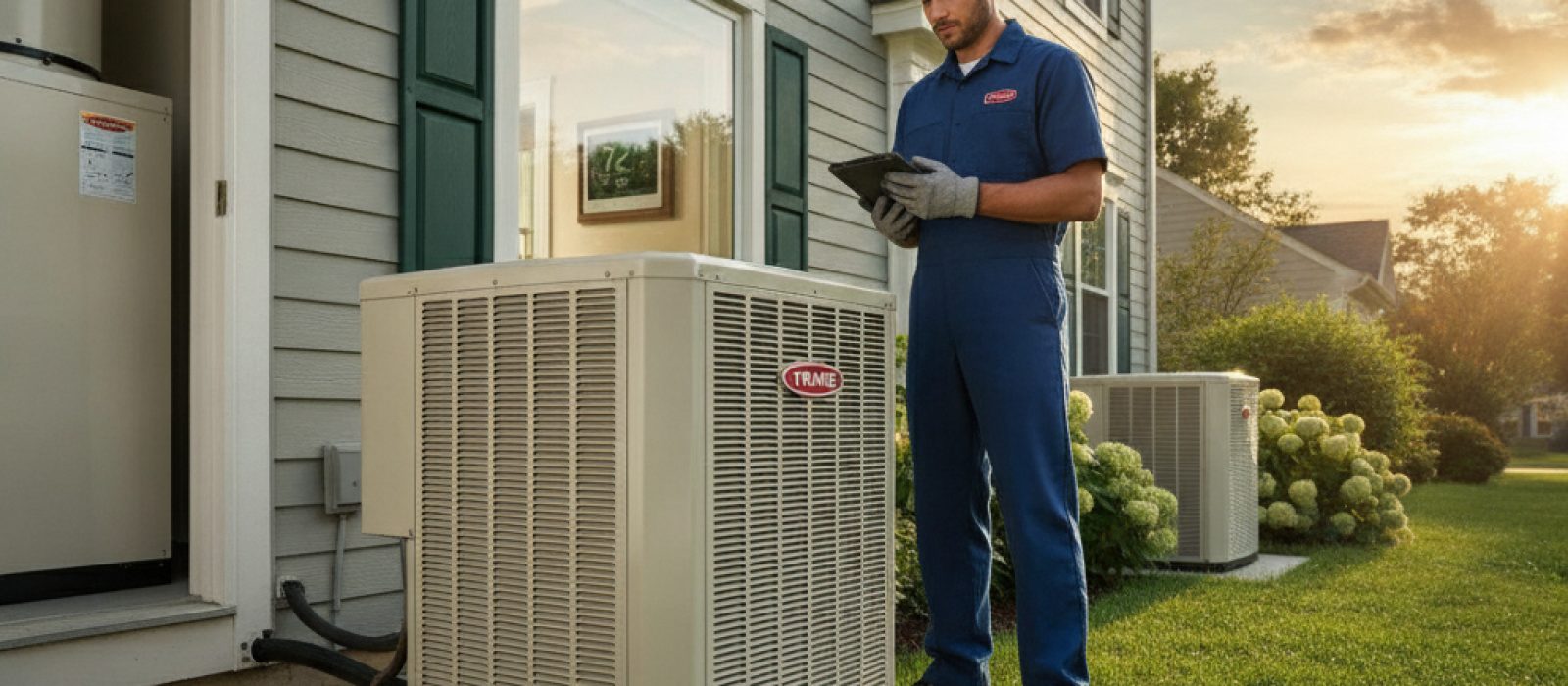
A guide to understanding Trane residential cooling systems, including component integration and maintenance requirements for homeowners.
Be the first to comment.