
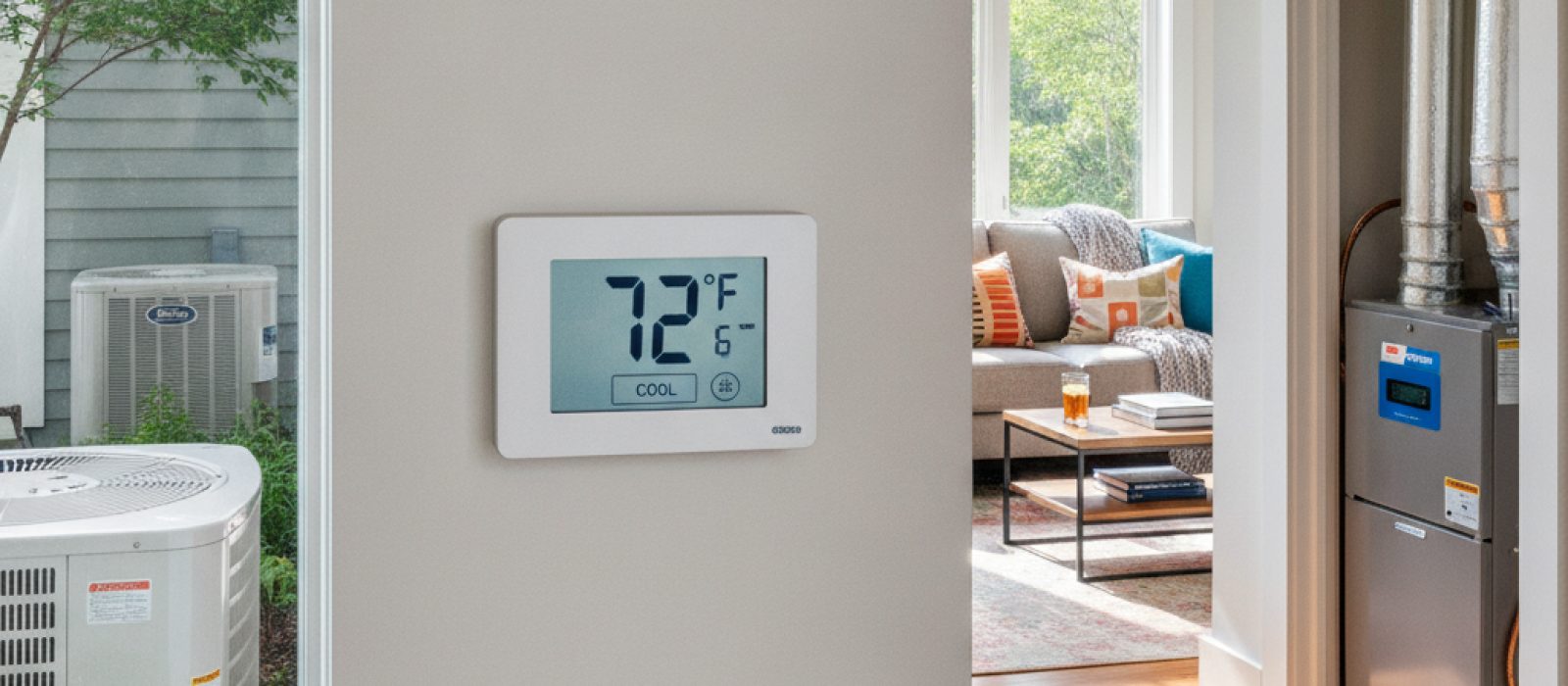
York, Ruud, Bryant and American Standard HVAC: Brand Overview
A guide to understanding the cooling technology and reliability of four major HVAC manufacturers for U.S. homeowners.
4 min read

The AC contactor is an electromagnetic switch located inside the outdoor condenser unit. Its primary function is to control the flow of high-voltage electricity to the compressor and the condenser fan motor. When the thermostat signals a need for cooling, it sends a low-voltage current to the contactor's coil. This magnetic force pulls the internal contacts together, completing the circuit and allowing power to surge into the system's motors.
Because this component handles high-voltage loads every time the system cycles, it is subject to significant wear over time. Pitting, burning, or welding of the contact points can prevent the system from starting, or worse, keep it running when it should be off. Recognizing the early warning signs of contactor failure is essential for maintaining the longevity of your cooling equipment.
A failing contactor often manifests through specific audible and mechanical symptoms. Homeowners should pay close attention to the behavior of the outdoor unit during the cooling season.
Ignoring a malfunctioning contactor can lead to secondary failures that are significantly more expensive to repair. If the contactor remains stuck in the closed position, the compressor will run continuously, leading to overheating, potential refrigerant leaks, and mechanical fatigue. In some instances, this can result in a total system failure that exceeds the cost of a routine Maintenance & Tune-up visit.
Furthermore, improper contactor operation can cause severe strain on the capacitor and the compressor start components. If you notice persistent issues, it is often wise to consult with professionals who specialize in AC Services to inspect the entire electrical assembly of the outdoor unit.
Electrical components within an HVAC system operate at high voltages that pose a serious risk of shock and injury. Homeowners should never attempt to open the electrical cabinet or manipulate the contactor while the system is powered. If you suspect an electrical failure, the safest initial step is to turn off the power at the local disconnect box and the main circuit breaker.
A licensed technician performs a diagnostic by measuring voltage across the contactor terminals and checking for resistance. They also inspect the wiring for signs of heat damage or loose connections, which can often mimic the symptoms of a failed contactor. Relying on professional Emergency HVAC services ensures that the repair is conducted safely and that the replacement part matches the specific electrical specifications of your system manufacturer.
While contactors are wear-and-tear items, their lifespan can be extended through consistent care. Dust, debris, and insects can infiltrate the electrical cabinet, causing the contact points to fail prematurely. Keeping the area around the outdoor unit clear of vegetation and ensuring the cabinet remains sealed against pests helps maintain the integrity of the electrical components.
Regular inspections are the most effective way to catch pitting before it leads to a welded contact. During a professional Maintenance & Tune-up, technicians clean the contacts and ensure that all electrical connections are tight. This preventative approach minimizes the likelihood of an unexpected breakdown during the hottest days of the year.
In most cases, a contactor is not a repairable item; it is a replacement component. Once the silver-plated contacts are pitted or burnt, they lose their ability to conduct electricity efficiently. Attempting to sand or file the contacts is generally discouraged, as it removes the protective plating and accelerates future failure. A direct replacement with an identical or compatible component is the industry-standard solution for restoring reliable system operation.
A guide to understanding the cooling technology and reliability of four major HVAC manufacturers for U.S. homeowners.
A comprehensive look at Mitsubishi mini-split technology and Hyper-Heat performance for year-round climate control in U.S. homes.
A comprehensive guide to understanding Daikin HVAC systems, including model tiers, standard maintenance requirements, and factory warranty coverage.
A comprehensive guide to understanding Carrier air conditioning systems, efficiency ratings, installation factors, and maintenance requirements.
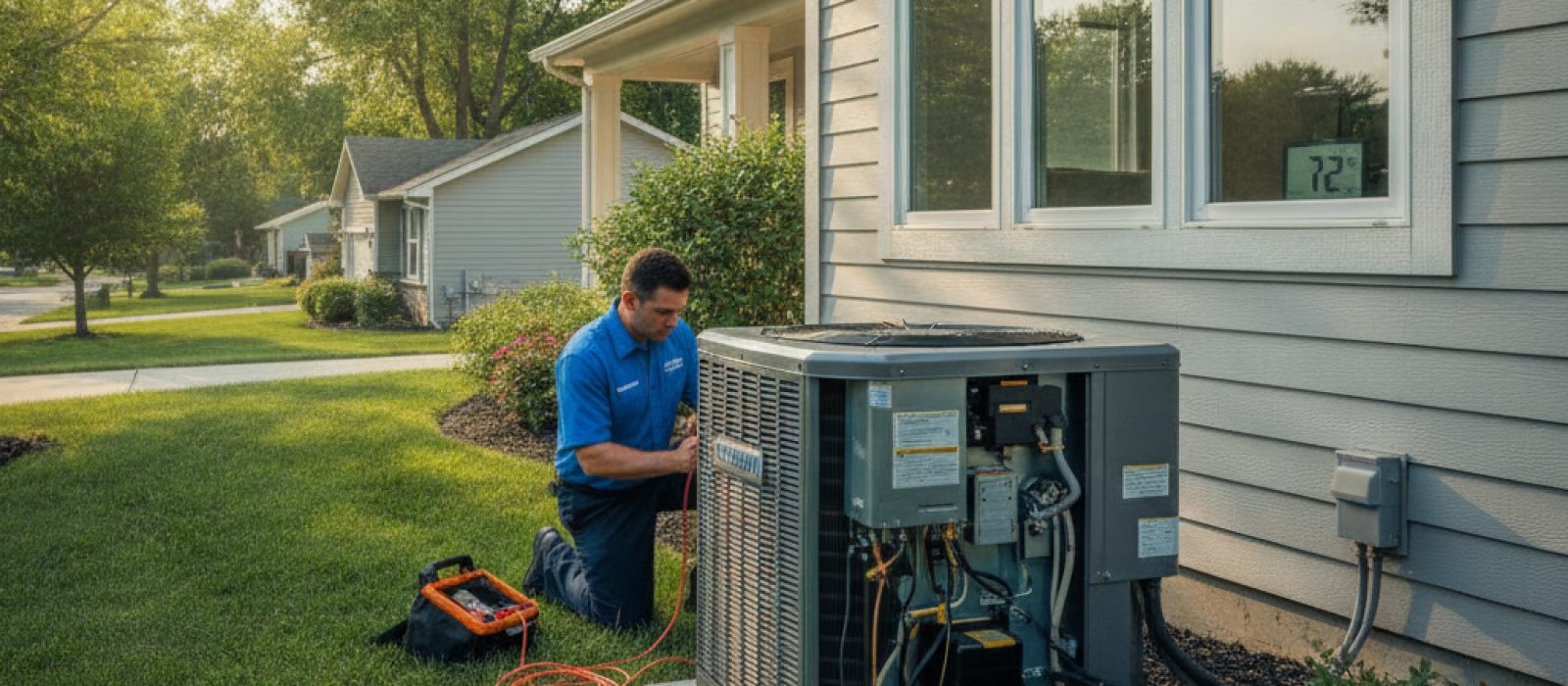
An objective look at Goodman HVAC systems, covering performance, longevity, and what homeowners should know before choosing a budget-friendly cooling solution.
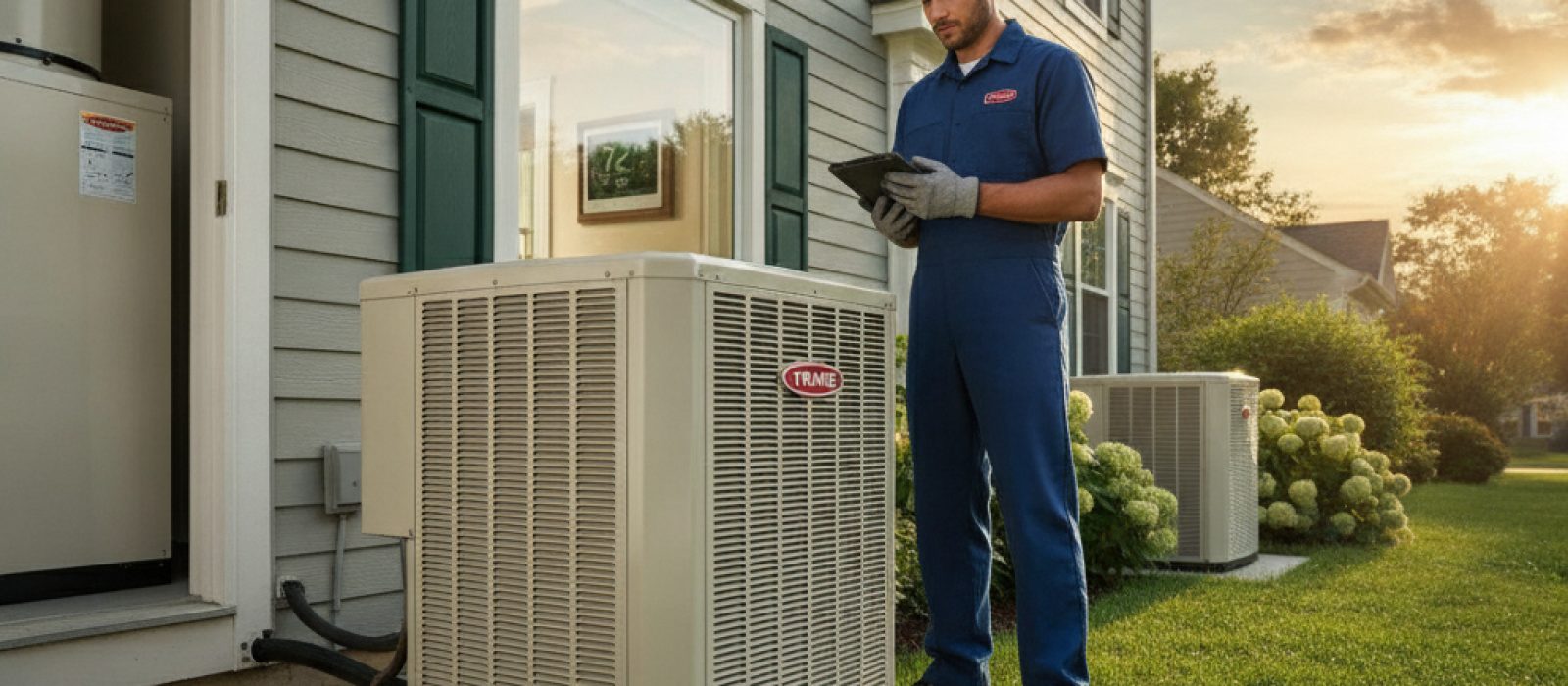
A guide to understanding Trane residential cooling systems, including component integration and maintenance requirements for homeowners.
Be the first to comment.