
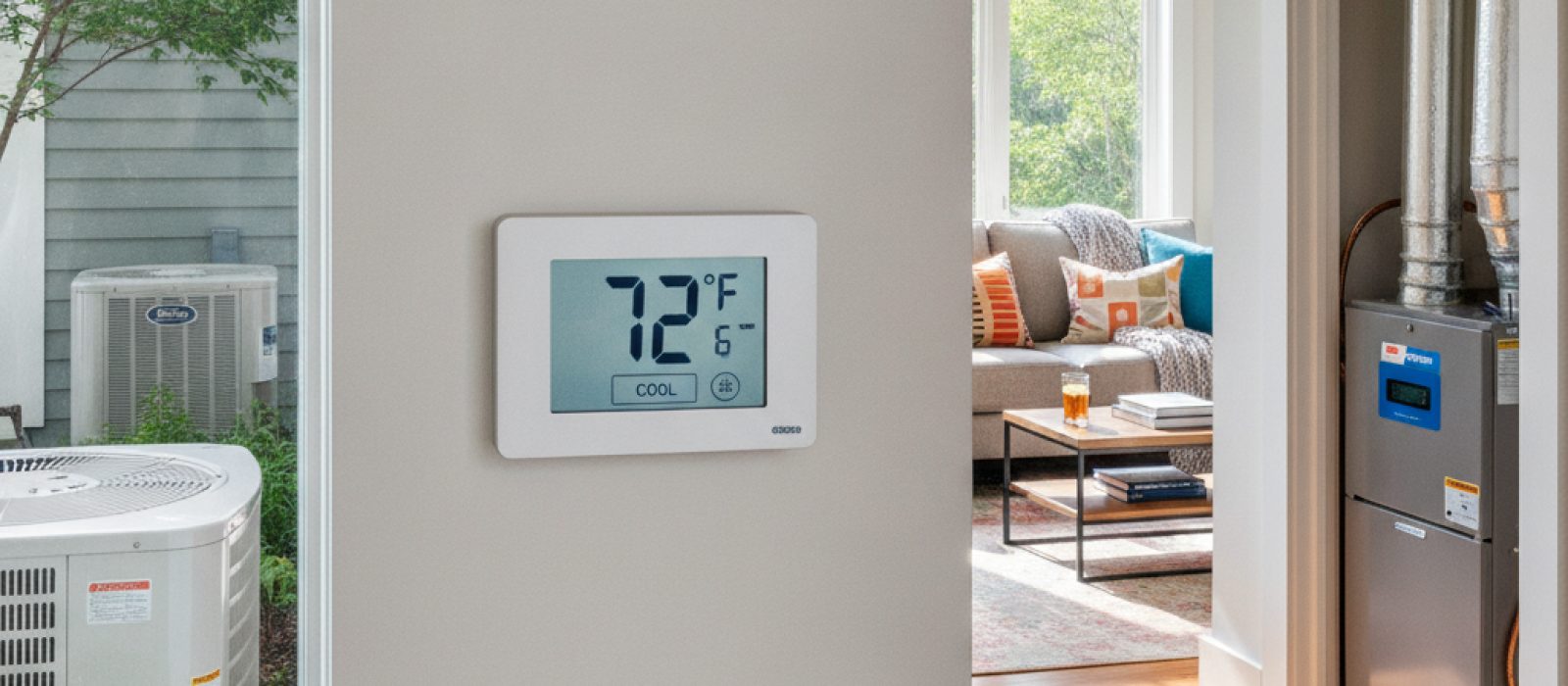
York, Ruud, Bryant and American Standard HVAC: Brand Overview
A guide to understanding the cooling technology and reliability of four major HVAC manufacturers for U.S. homeowners.
4 min read

The compressor serves as the heart of any air conditioning system, responsible for circulating refrigerant between the indoor and outdoor units. It increases the pressure and temperature of the refrigerant gas, allowing it to release heat outside before returning to the indoor coil to absorb more warmth. When a compressor fails, the entire cooling cycle ceases, leaving the home without climate control.
Because the compressor is a sealed, high-pressure component, its failure often indicates underlying issues within the cooling system. While it is technically possible to replace the compressor, the complexity of the task requires specialized tools, high-voltage electrical expertise, and certified handling of refrigerants.
The cost to replace a compressor varies by system and region, as it is rarely a simple labor-only job. Several technical variables dictate the final investment required for a successful repair.
Determining whether to invest in a compressor replacement or move toward a full system installation requires an objective look at the age and condition of the equipment. A compressor failure often serves as a signal that the rest of the unit is nearing the end of its functional lifespan.
If the system is more than ten years old, replacing only the compressor may be a short-term solution. Because the new compressor will be paired with an aging condenser coil, electrical contactors, and fan motors, the risk of a secondary failure shortly after the repair is high. In such cases, investing in total system replacement is often more cost-effective over time.
Furthermore, outdated systems often lack the efficiency of modern units. If the current system frequently requires Maintenance & Tune-up visits, the cumulative cost of repeated repairs may exceed the price of a more efficient, modern cooling system that offers better energy performance and lower monthly utility usage.
Homeowners should avoid assuming that a compressor failure is the root cause of a cooling issue. A system that will not start or cool effectively may be suffering from a failed capacitor, a faulty contactor, or a tripped breaker. These electrical components are significantly cheaper and easier to replace than a compressor.
A licensed technician will perform a diagnostic test to check the compressor's windings for continuity and ground faults. They will also inspect the Ductwork Services to ensure that airflow restrictions are not forcing the compressor to work harder than designed, which can lead to premature burnout. If airflow is poor, replacing the compressor without fixing the duct system will likely lead to another failure.
There are specific scenarios where replacing the entire system is the recommended path. If the evaporator coil is leaking or showing signs of corrosion, replacing the compressor alone will not solve the system's underlying health issues.
Additionally, if the system uses an obsolete refrigerant, the cost of a full recharge after a compressor replacement can be prohibitively high. Upgrading to a new system provides the benefit of a full manufacturer warranty, improved efficiency, and the peace of mind that comes with a fresh installation. If the home has significant comfort issues, this may also be the ideal time to consult on Indoor Air Quality solutions that can be integrated into a new, high-efficiency setup.
Homeowners must prioritize safety when troubleshooting cooling issues. You can perform basic checks to rule out simple problems before calling for professional help.
If these basic checks do not resolve the issue, contact a professional to perform a thorough evaluation. They possess the training to safely handle high-voltage electricity and pressurized refrigerant, ensuring the repair complies with local safety and environmental codes.
A guide to understanding the cooling technology and reliability of four major HVAC manufacturers for U.S. homeowners.
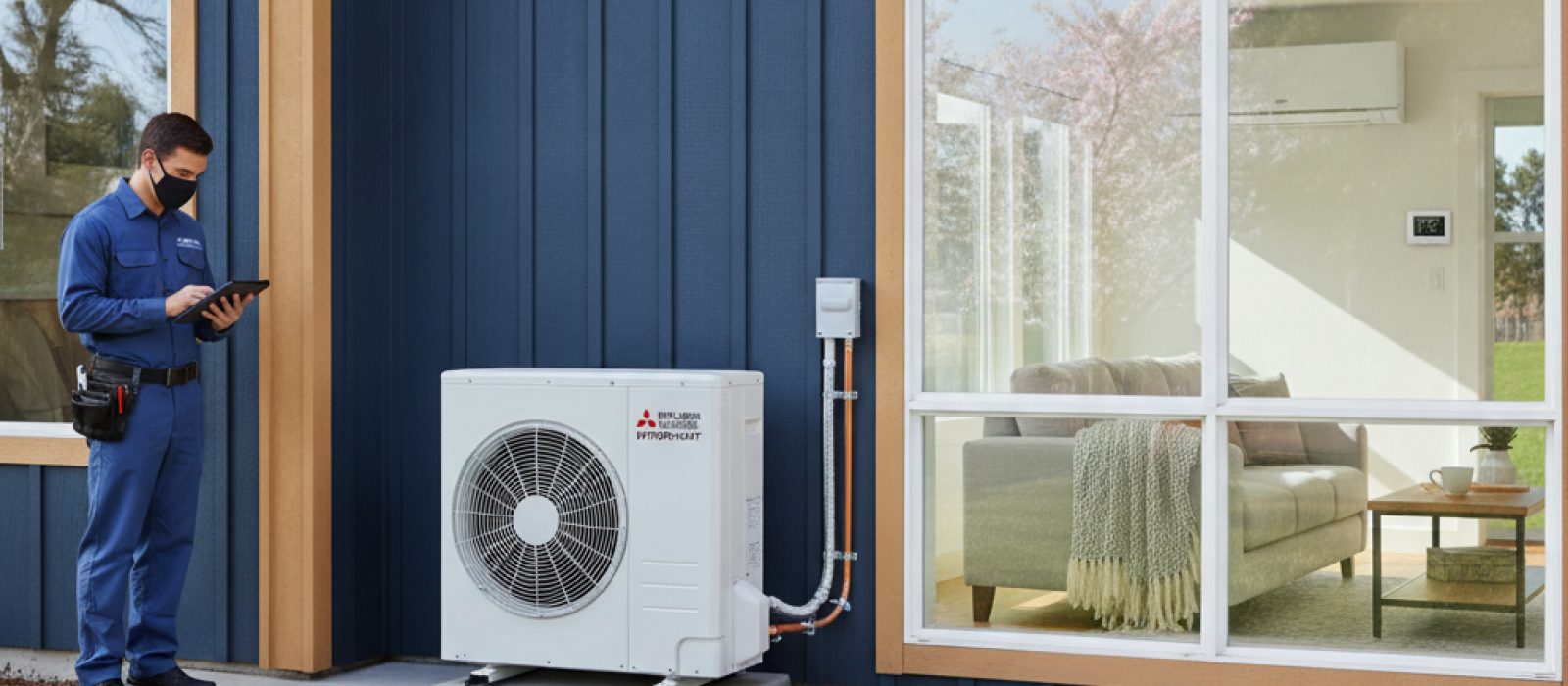
A comprehensive look at Mitsubishi mini-split technology and Hyper-Heat performance for year-round climate control in U.S. homes.
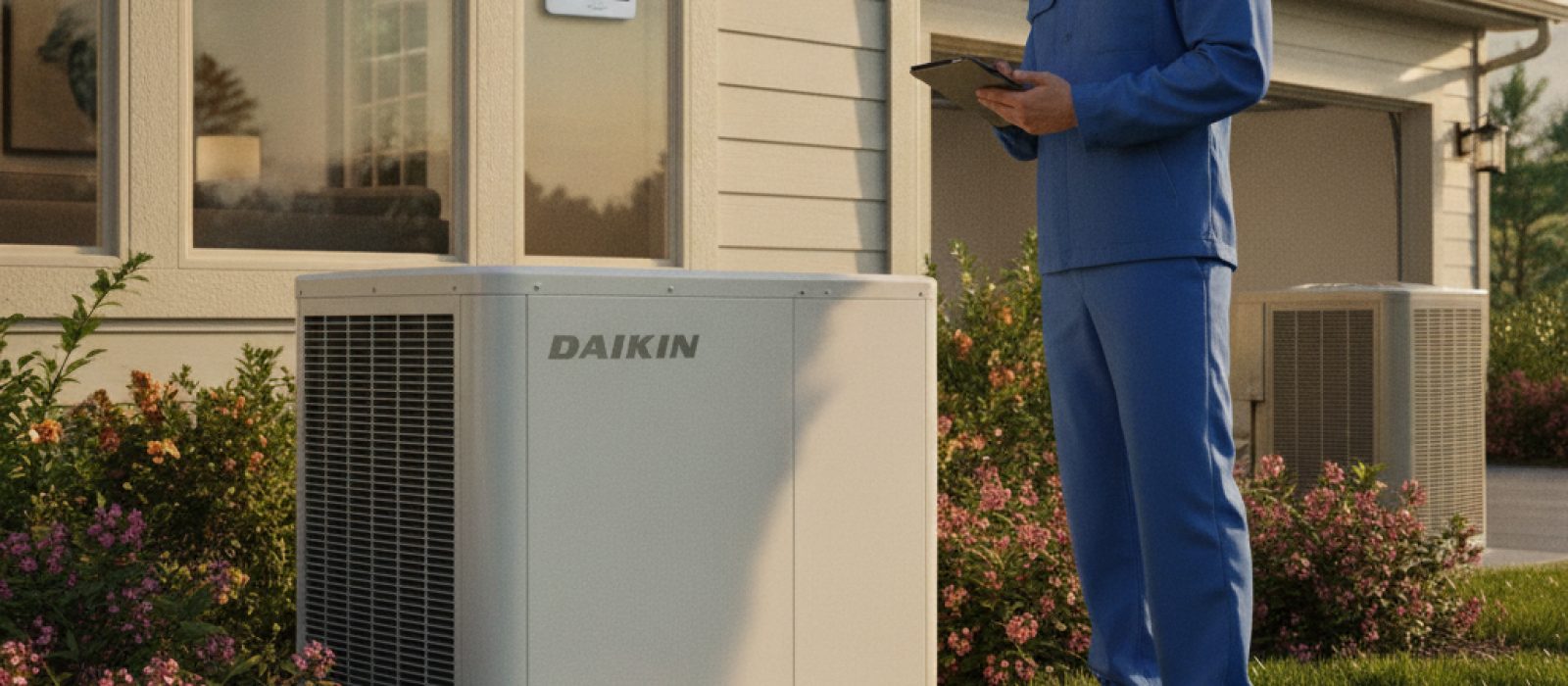
A comprehensive guide to understanding Daikin HVAC systems, including model tiers, standard maintenance requirements, and factory warranty coverage.
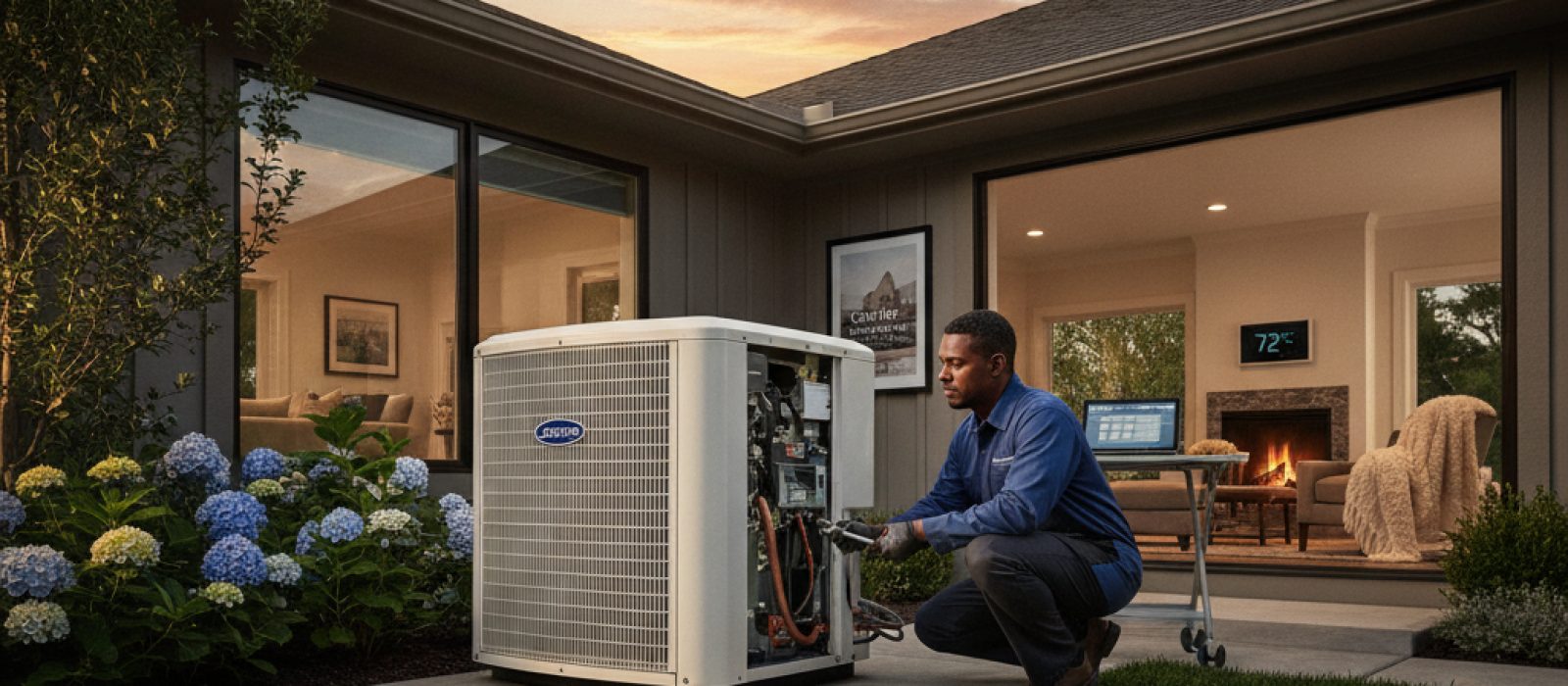
A comprehensive guide to understanding Carrier air conditioning systems, efficiency ratings, installation factors, and maintenance requirements.
An objective look at Goodman HVAC systems, covering performance, longevity, and what homeowners should know before choosing a budget-friendly cooling solution.
A guide to understanding Trane residential cooling systems, including component integration and maintenance requirements for homeowners.
Be the first to comment.