
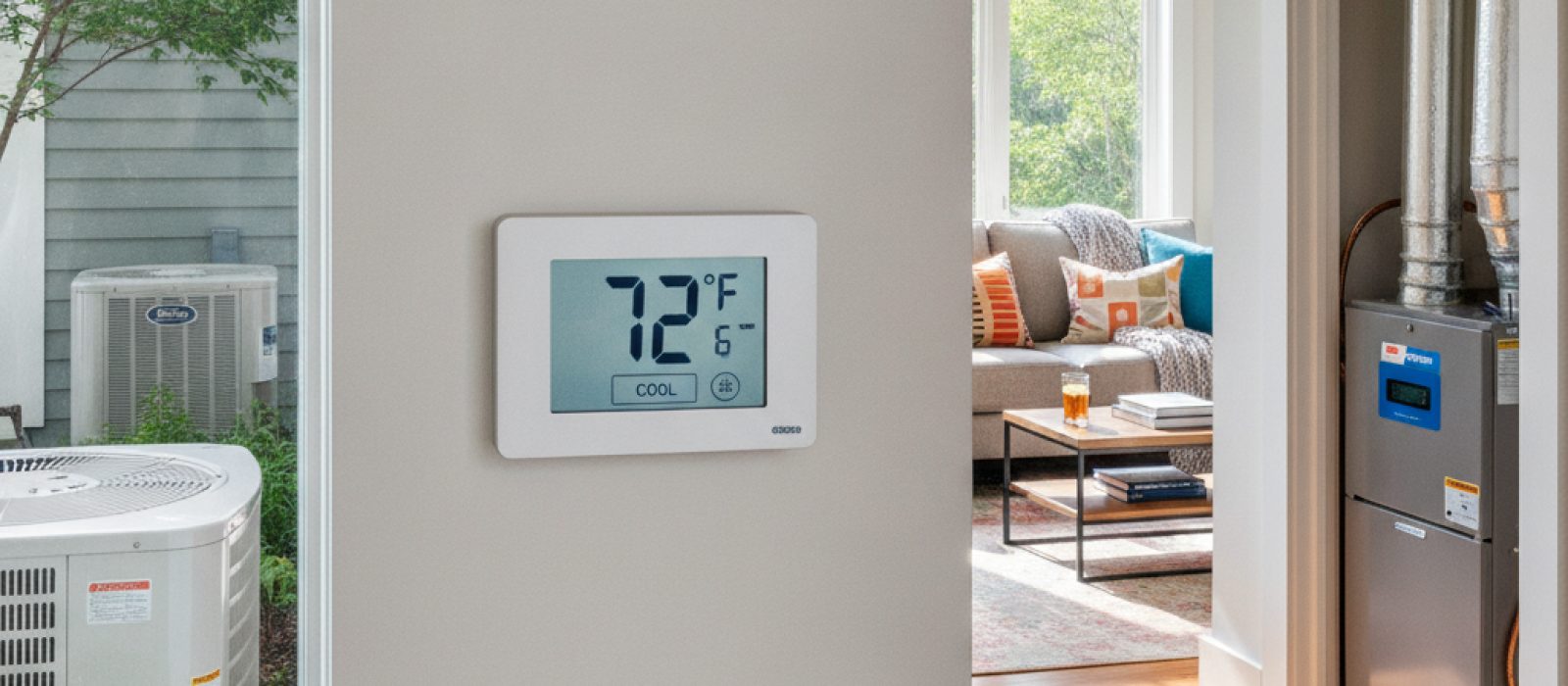
York, Ruud, Bryant and American Standard HVAC: Brand Overview
A guide to understanding the cooling technology and reliability of four major HVAC manufacturers for U.S. homeowners.
3 min read

AC blower motor settings determine the speed at which your HVAC system’s fan circulates air throughout your home. In many modern systems, these settings are categorized as Single-Stage, Two-Stage, or Variable-Speed. The blower motor is the "heart" of your air distribution system; it pushes air over the evaporator coils to cool it and then forces that conditioned air through your ductwork. Understanding these settings is essential because they directly impact your indoor air quality, humidity levels, and monthly energy consumption.
Most homes in the U.S. utilize one of three primary blower technologies. Knowing which one you have can help you understand why your system behaves the way it does:
Your thermostat typically offers two fan modes: "Auto" and "On." This is the most common point of confusion for homeowners.
When set to Auto, the blower motor only runs when the air conditioner or furnace is actively heating or cooling the air. This is generally the most energy-efficient choice, as it prevents the fan from running unnecessarily when the air isn't being treated. It also helps prevent moisture from the evaporator coil from being blown back into your home after the cooling cycle ends, which keeps humidity levels lower.
When set to On, the blower motor runs continuously, regardless of whether the system is cooling or heating. While this can help with air filtration and air circulation, it can also lead to higher electricity bills and may cause your home to feel humid during the summer months.
The speed of your blower motor does more than just move air; it dictates how your home feels. A lower blower speed allows more time for the air to pass over the cooling coils, which extracts more moisture from the air. If you live in a humid climate, a system that runs at a lower speed for a longer duration is usually superior to a high-speed system that cools the air quickly but leaves it feeling "clammy."
If you suspect your blower motor is set incorrectly, or if you are experiencing uneven temperatures in different rooms, it is best to consult with a licensed HVAC professional. They can perform a static pressure test to ensure your motor is configured to match the requirements of your specific ductwork, ensuring both longevity for your equipment and maximum comfort for your family.
A guide to understanding the cooling technology and reliability of four major HVAC manufacturers for U.S. homeowners.
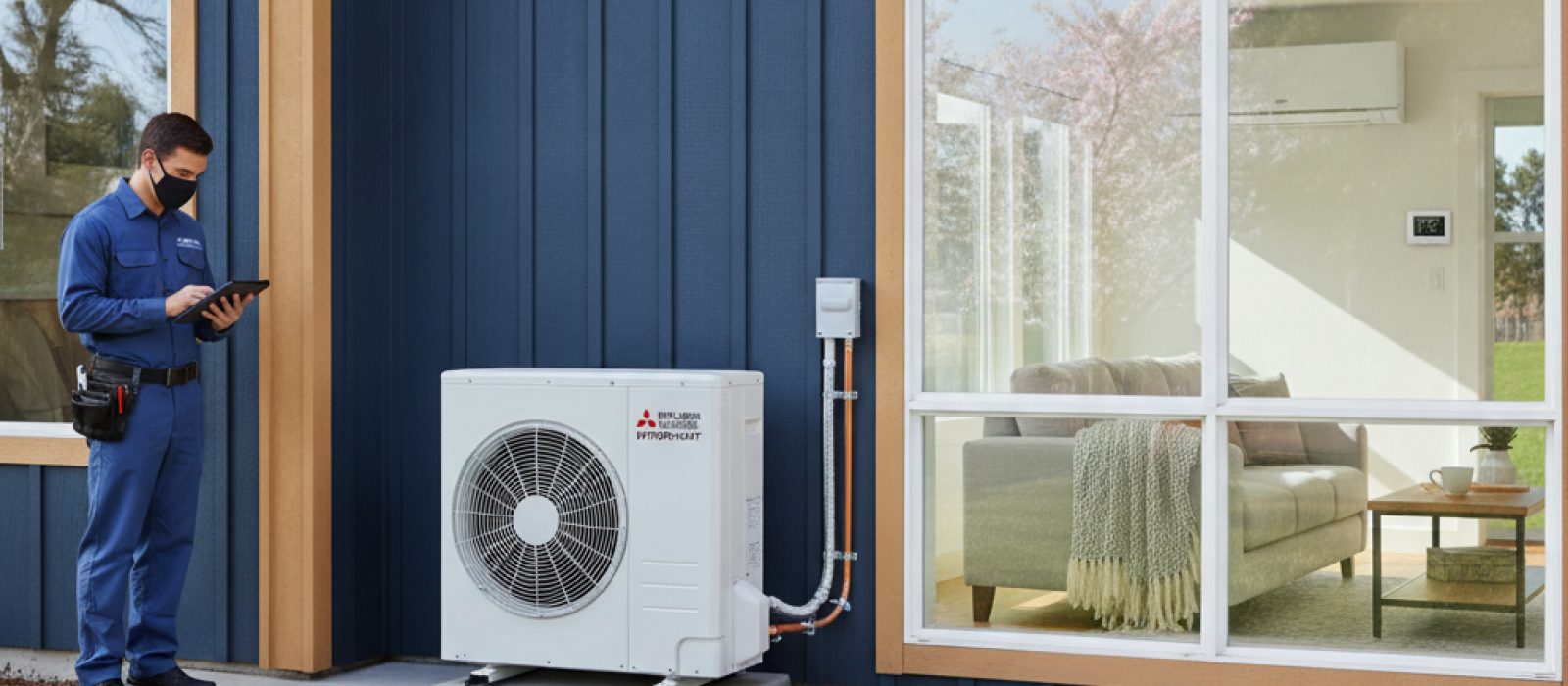
A comprehensive look at Mitsubishi mini-split technology and Hyper-Heat performance for year-round climate control in U.S. homes.
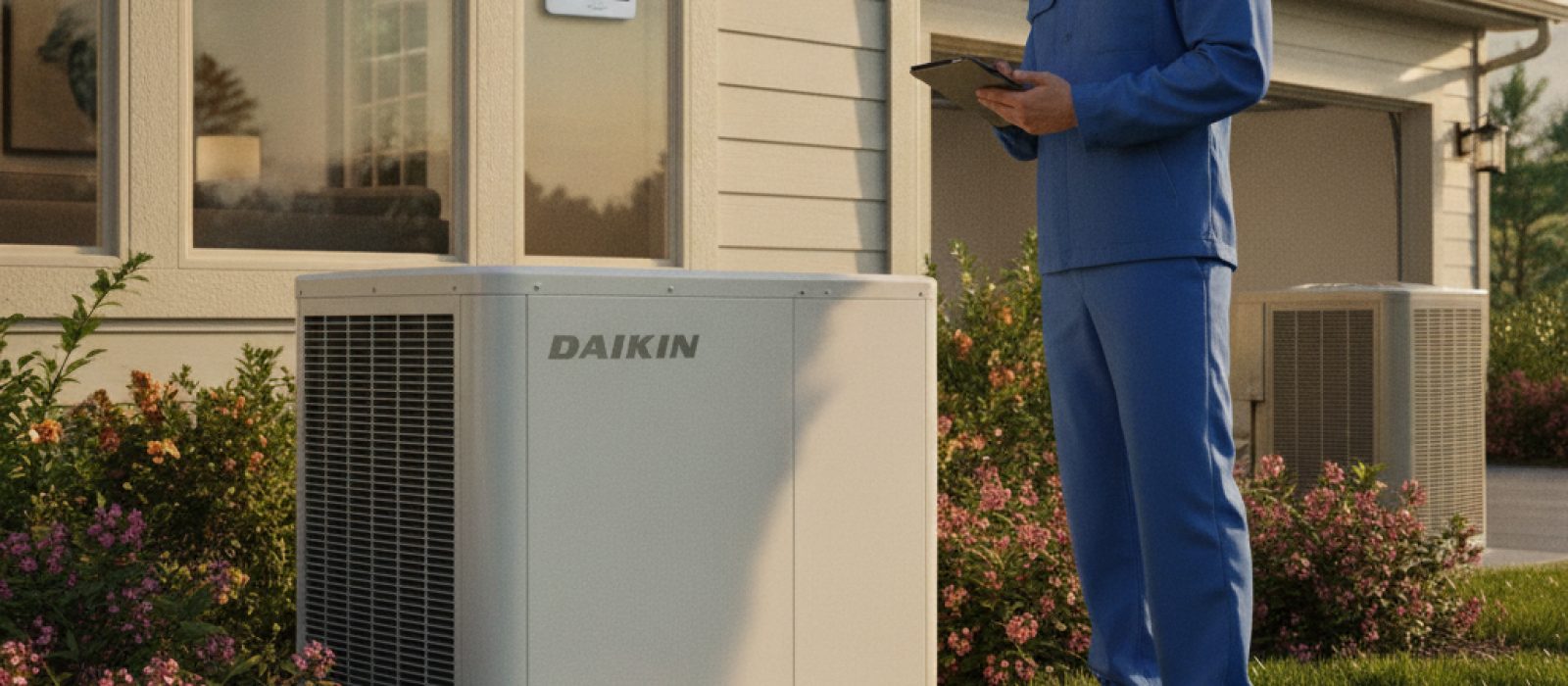
A comprehensive guide to understanding Daikin HVAC systems, including model tiers, standard maintenance requirements, and factory warranty coverage.
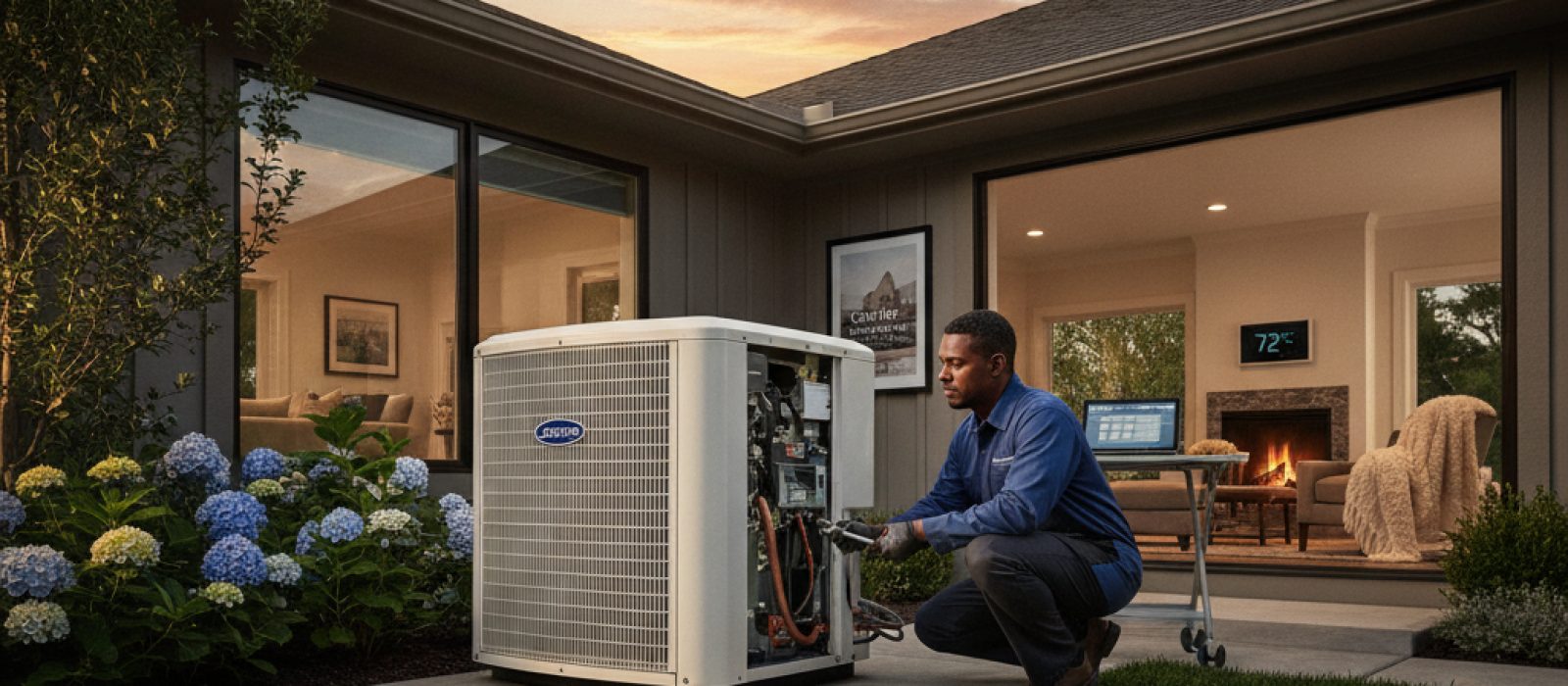
A comprehensive guide to understanding Carrier air conditioning systems, efficiency ratings, installation factors, and maintenance requirements.
An objective look at Goodman HVAC systems, covering performance, longevity, and what homeowners should know before choosing a budget-friendly cooling solution.
A guide to understanding Trane residential cooling systems, including component integration and maintenance requirements for homeowners.
Be the first to comment.