
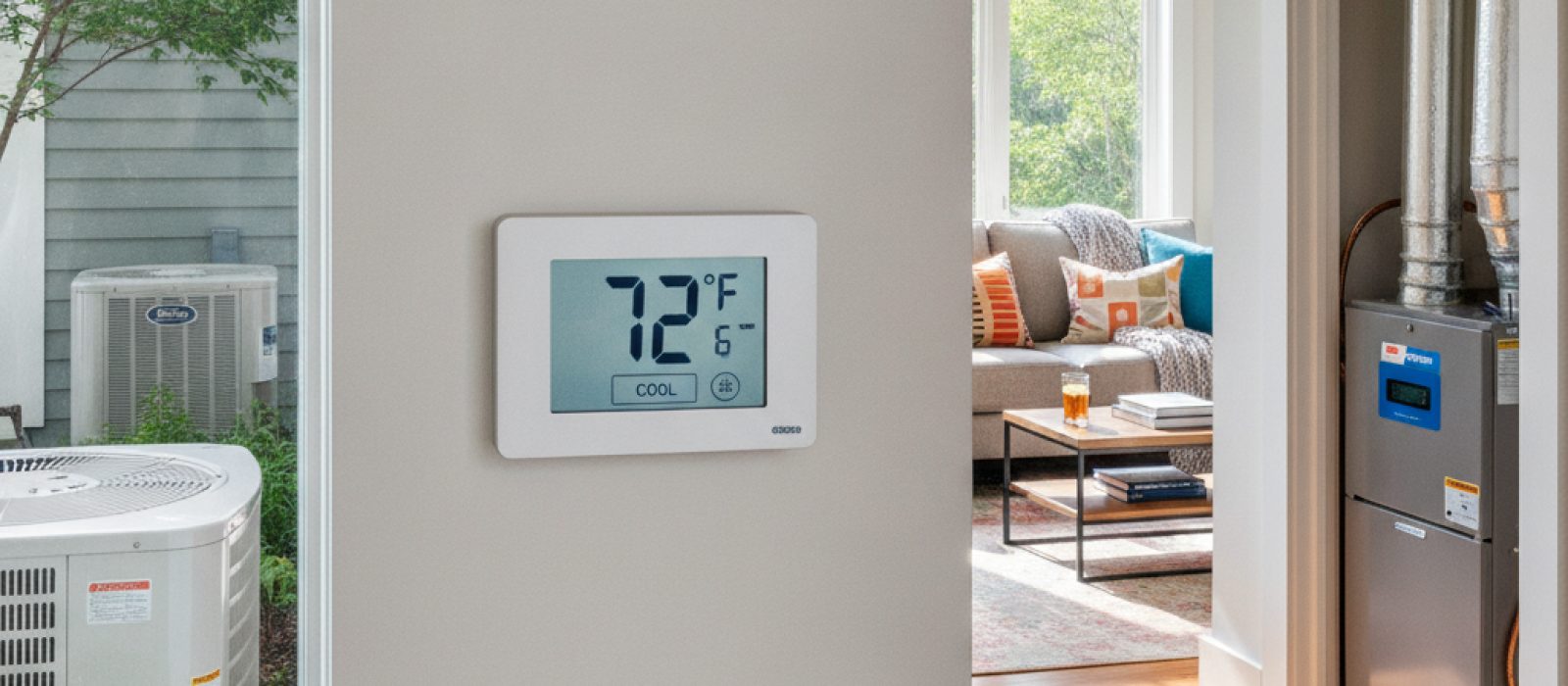
York, Ruud, Bryant and American Standard HVAC: Brand Overview
A guide to understanding the cooling technology and reliability of four major HVAC manufacturers for U.S. homeowners.
4 min read

As spring graces us with warmer days, the thought of summer's scorching heat isn't far behind. For many U.S. homeowners, this means one thing: reliable air conditioning. But what if your AC unit isn't ready for the challenge? Waiting until the first major heatwave to realize your system is struggling can lead to uncomfortable days, emergency service calls, and potentially higher repair costs. The good news is, your air conditioner often gives subtle hints that it needs attention long before it completely breaks down. Recognizing these signs early can save you a lot of hassle and ensure your home stays cool and comfortable all summer long.
Here are seven crucial signs that your AC might need professional repair before summer truly kicks in:
If you turn on your AC and notice that the air coming from your vents isn't as strong as it used to be, or if some rooms are getting significantly less airflow than others, it's a red flag. Weak airflow can indicate several problems, including a clogged air filter, issues with the fan motor, or even ductwork leaks. While a dirty filter is an easy fix, other issues require professional diagnosis and repair to restore proper circulation and cooling efficiency.
Your air conditioner should operate with a relatively consistent, low hum. Any new or unusual noises, such as grinding, squealing, banging, clanking, or hissing, are definite indicators of a problem. Grinding often points to motor bearing issues, squealing could be a worn belt, and hissing might signal a refrigerant leak. Ignoring these sounds can lead to more severe damage and costlier repairs down the line.
When you first switch on your AC for the season, a slight musty smell might be normal if it hasn't run in a while. However, if strange odors persist or are particularly strong, it's cause for concern. A burning smell could indicate an electrical issue or an overheating motor. A strong musty or mildewy smell often suggests mold growth within the ductwork or evaporator coil, which can affect your indoor air quality and health.
It's never a good sign to see puddles of water around your indoor AC unit (the evaporator coil) or outdoor unit. Water leaks can result from a clogged condensate drain line, a frozen evaporator coil, or a faulty drain pan. If you notice ice on your refrigerant lines or a bubbling/hissing sound accompanied by a sweet chemical odor, you might have a refrigerant leak. Refrigerant leaks are serious and require immediate professional attention, as low refrigerant levels severely impair cooling and can damage the compressor.
Your AC unit should go through regular cooling cycles, turning on, running for a period, and then turning off once the desired temperature is reached. If your system is turning on and off much more frequently than usual, it's called short cycling. This can be caused by an oversized unit, a faulty thermostat, dirty coils, or low refrigerant. Short cycling puts excessive strain on your system, reduces its efficiency, and shortens its lifespan.
Have you noticed a significant jump in your electricity bill, even though your household hasn't changed its cooling habits? An inefficient air conditioner is often the culprit. Issues like dirty coils, refrigerant leaks, or a struggling compressor force your system to work harder to achieve the same cooling effect, consuming more energy in the process. Addressing these problems early can restore efficiency and keep your utility costs in check.
Your thermostat is the brain of your AC system. If your home isn't reaching the temperature you set, or if there's a significant difference between the thermostat reading and the actual room temperature, your thermostat might be faulty. Sometimes it's a simple battery replacement, but other times it could indicate a more complex wiring issue or a problem with the thermostat sensor itself. A malfunctioning thermostat can lead to ineffective cooling and discomfort.
Recognizing these warning signs early is key to preventing minor issues from turning into major breakdowns. Don't wait until you're sweltering in the summer heat to address your AC problems. By being proactive and scheduling a professional inspection and repair before summer arrives, you can ensure your system is running efficiently, extend its lifespan, and enjoy a comfortable, worry-free season. Contact a trusted HVAC professional in your area today to get your AC summer-ready!
A guide to understanding the cooling technology and reliability of four major HVAC manufacturers for U.S. homeowners.
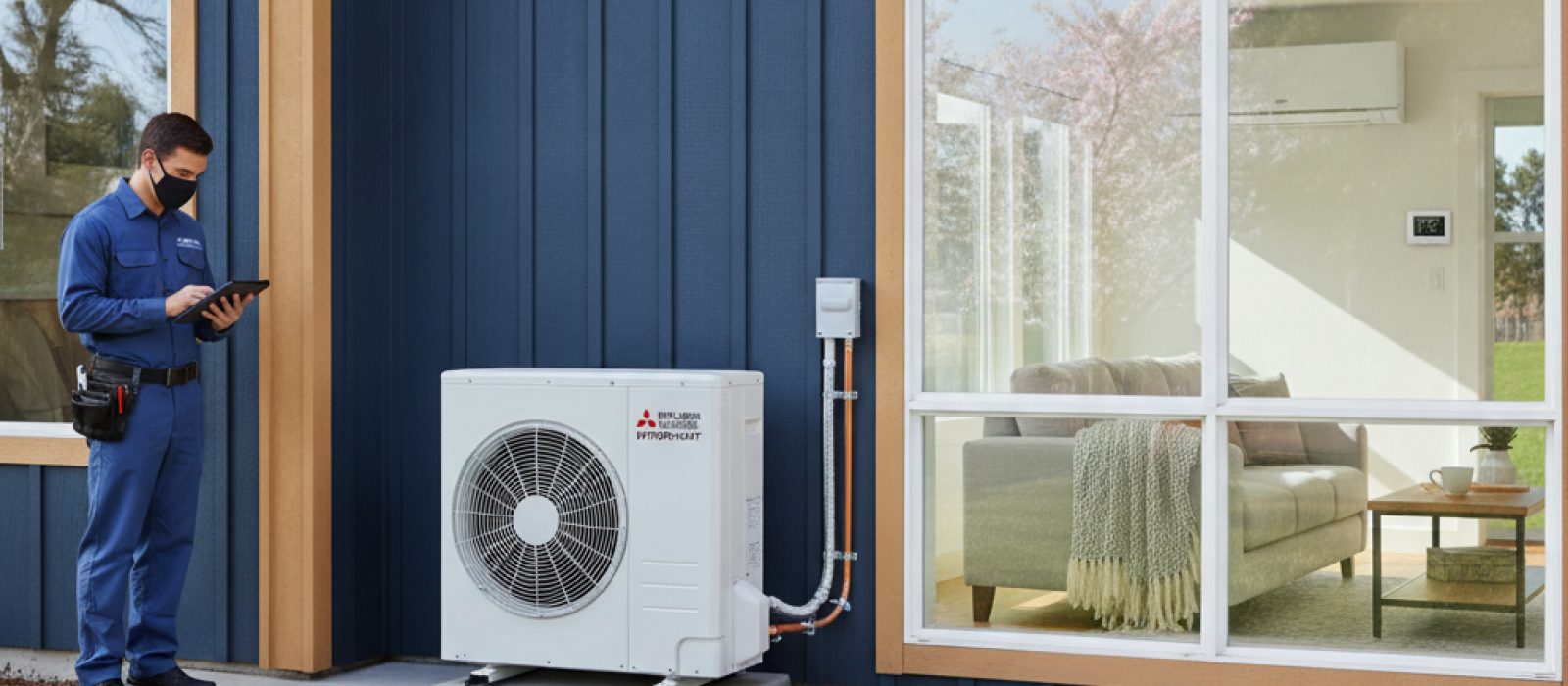
A comprehensive look at Mitsubishi mini-split technology and Hyper-Heat performance for year-round climate control in U.S. homes.
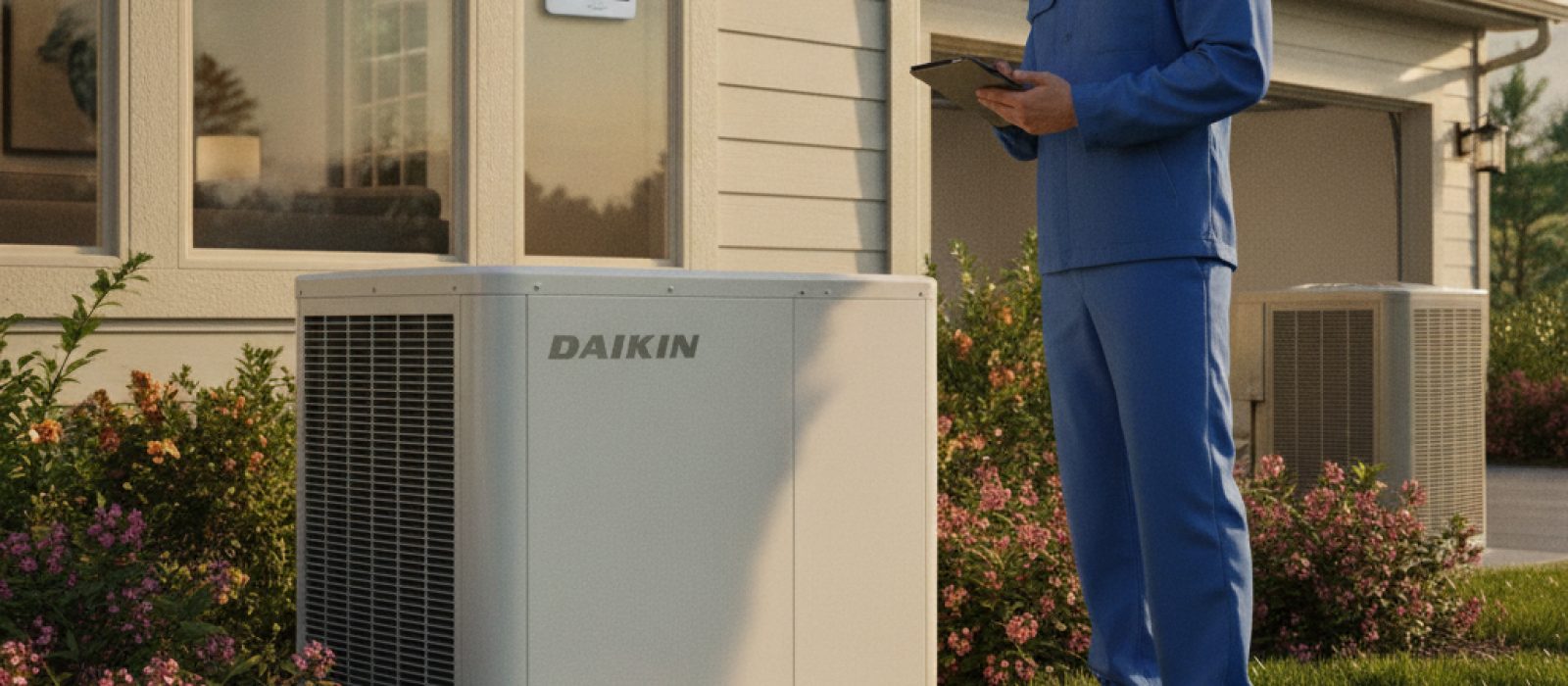
A comprehensive guide to understanding Daikin HVAC systems, including model tiers, standard maintenance requirements, and factory warranty coverage.
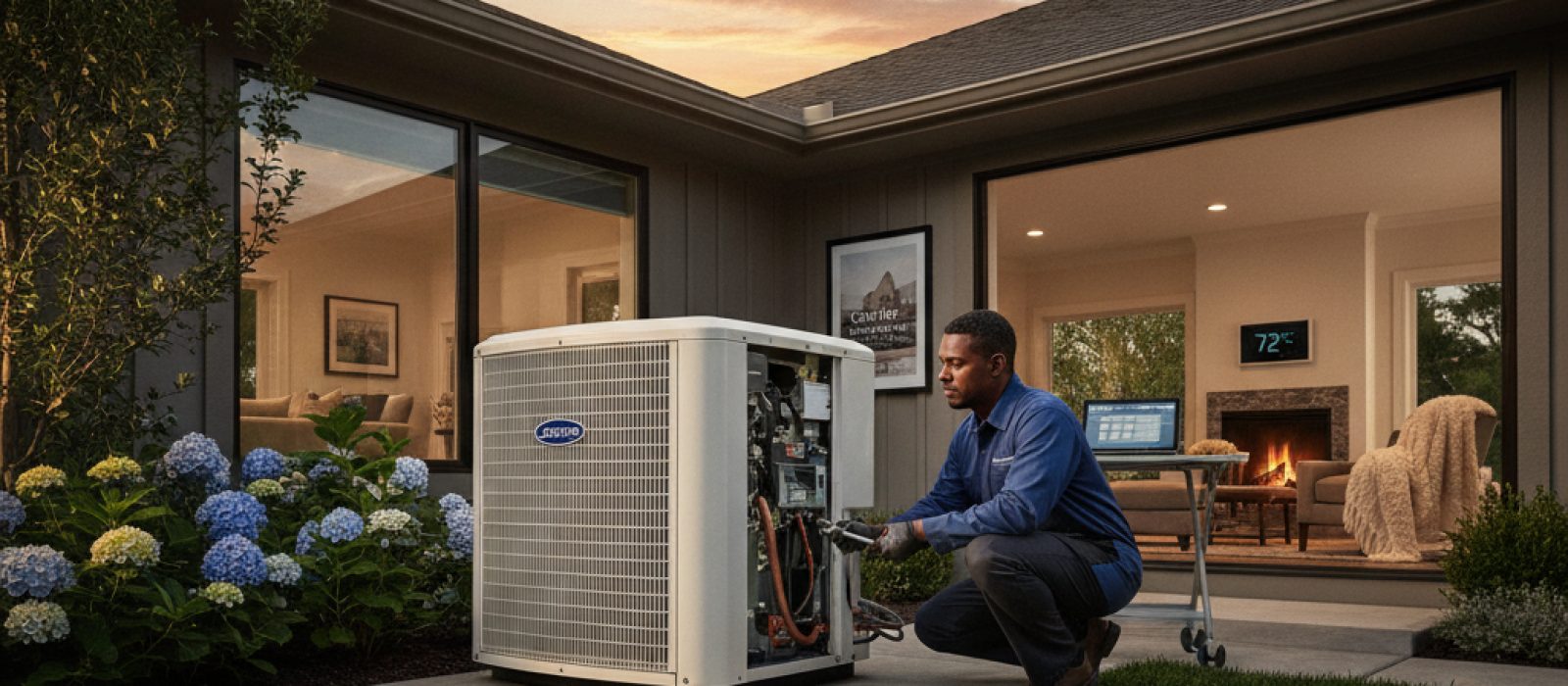
A comprehensive guide to understanding Carrier air conditioning systems, efficiency ratings, installation factors, and maintenance requirements.
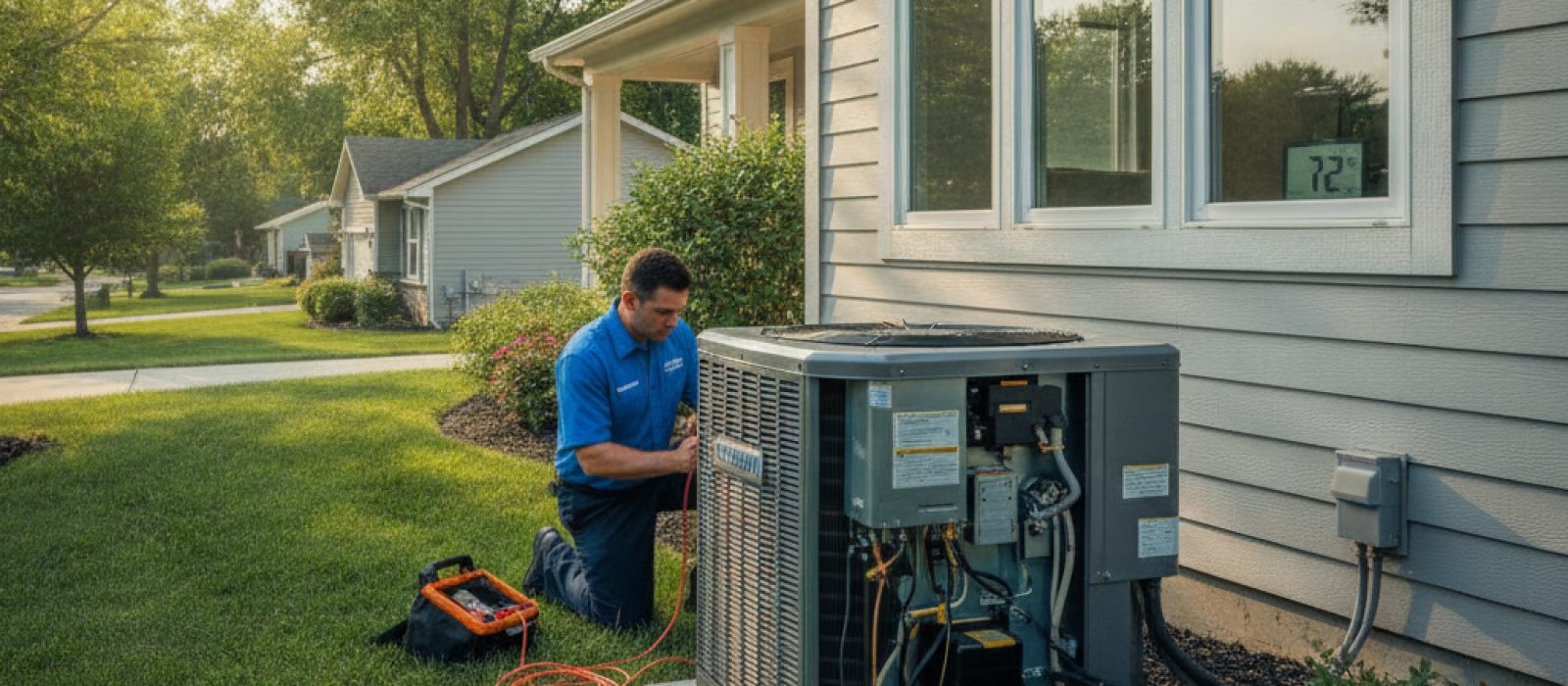
An objective look at Goodman HVAC systems, covering performance, longevity, and what homeowners should know before choosing a budget-friendly cooling solution.
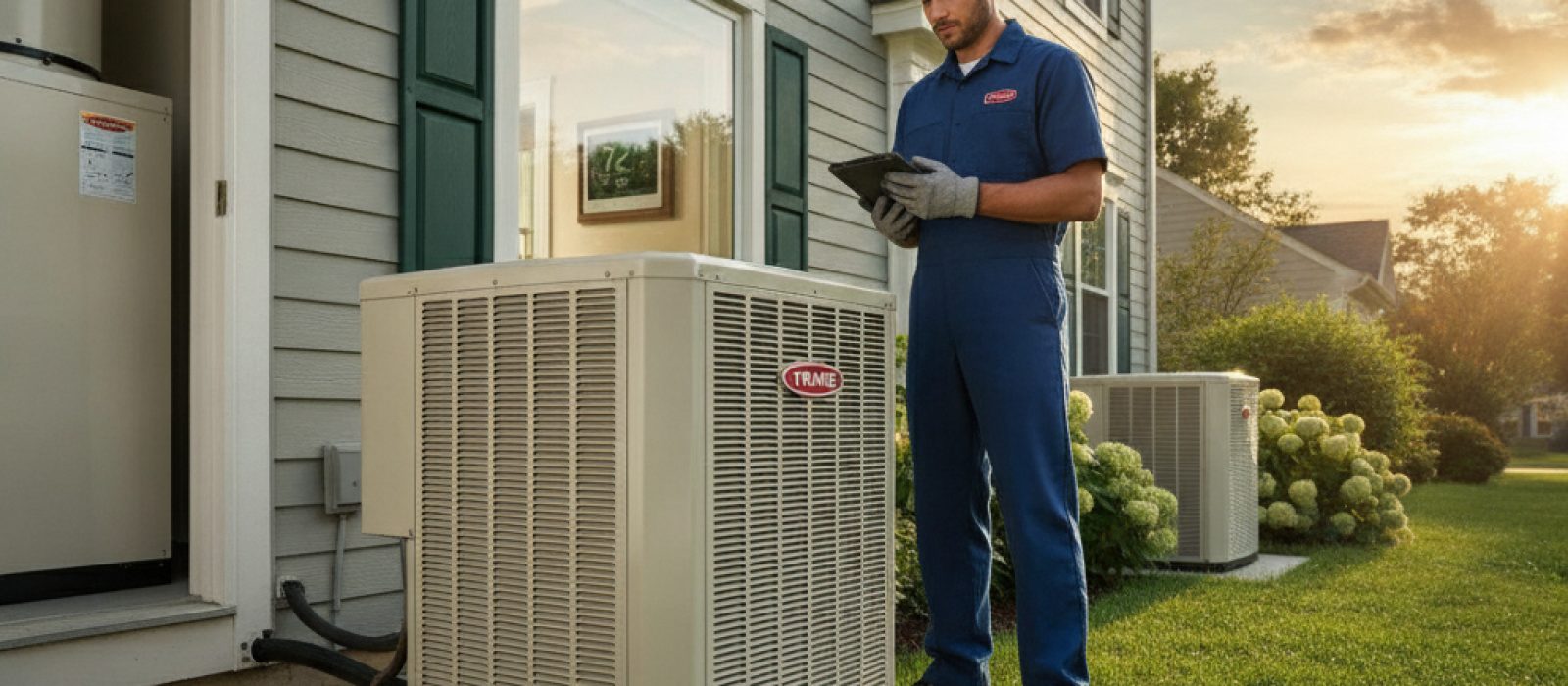
A guide to understanding Trane residential cooling systems, including component integration and maintenance requirements for homeowners.
Be the first to comment.