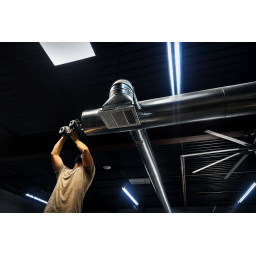
Living in Tyler, Texas, means dealing with intense summer heat and unpredictable winter dips. A high-efficiency heat pump is the ultimate solution for year-round comfort, acting as both an air conditioner and a heater in one powerful system. Whether you are looking for professional heat pump installation to replace an aging unit or need reliable heat pump repair to get your home back to a comfortable temperature, our team is here to help. We specialize in comprehensive heat pump service, from…
Read more
Good to know: Heat pumps heat and cool and may earn IRA tax credits.
Cost is a typical U.S. range, not a quote. Climate = annual degree days (NOAA); population from the U.S. Census.
About Heat Pumps in Tyler
Living in texas/tyler" class="font-medium text-brand-blue hover:underline">Tyler, Texas, means dealing with intense summer heat and unpredictable winter dips. A high-efficiency heat pump is the ultimate solution for year-round comfort, acting as both an air conditioner and a heater in one powerful system. Whether you are looking for professional heat pump installation to replace an aging unit or need reliable heat pump repair to get your home back to a comfortable temperature, our team is here to help.
We specialize in comprehensive heat pump service, from modern ductless mini-split setups to traditional air source heat pump replacements. By choosing a system tailored to our local climate, you can maximize energy efficiency and enjoy lower monthly utility bills. Trust our experienced, licensed, and insured technicians to guide you through the process of selecting and maintaining the perfect system for your Tyler home.
Climate Considerations
Tyler’s climate is characterized by hot, humid summers with average temperatures around 90°F, placing a heavy demand on your cooling system. While our winters are generally mild, averaging 52.5°F, cold snaps can still make heating a necessity. A modern heat pump is uniquely suited for this environment, as it efficiently moves heat out of your home during the summer and reverses the process to keep you cozy when temperatures drop.
Heat Pumps Tips
Schedule professional maintenance twice a year to ensure your heat pump is ready for both the summer heat and the winter chill.
Always hire a licensed and insured technician to perform your heat pump installation to ensure the system is sized correctly for your home.
Check and replace your air filters every 1 to 3 months to maintain optimal airflow and energy efficiency.
Keep the outdoor unit clear of debris, leaves, and overgrown vegetation to prevent the heat pump from freezing up or struggling to cycle.
If you notice your heat pump not heating or cooling properly, contact a professional immediately to avoid minor issues becoming costly repairs.
Frequently Asked Questions
How much does heat pump installation cost and are there rebates?
Costs vary based on home size and unit efficiency. We recommend consulting with a licensed contractor to discuss current federal tax credits and local utility rebates that can significantly offset your upfront investment.
How does a heat pump handle both heating and cooling?
A heat pump uses refrigerant to transfer heat. In summer, it pulls heat from inside to outside; in winter, it reverses the process. Modern cold-climate heat pumps are highly effective even when local temperatures dip.
Heat pump vs. furnace: which is better for Tyler?
In East Texas, heat pumps are often more energy-efficient than traditional furnaces because they move heat rather than generating it via combustion, making them ideal for our moderate climate.
Why is my heat pump not cooling or freezing up outside?
Issues like low refrigerant, dirty coils, or a faulty fan motor can cause a heat pump to freeze or fail to cool. It is best to have a certified technician diagnose the specific cause.
How long do heat pumps typically last?
With regular, professional maintenance, a high-quality heat pump system typically lasts between 12 and 15 years in our Texas climate.
Ductless mini-split vs. ducted heat pump: which should I choose?
Ductless mini-splits are excellent for retrofitting older homes or room additions without existing ducts, while ducted systems are usually more cost-effective for whole-home cooling and heating.
Are there tax credits and incentives for heat pump upgrades?
Yes, federal programs like the Inflation Reduction Act often provide significant tax credits for installing high-efficiency heat pumps. Always check with your local utility provider for additional regional incentives.
How do you size a heat pump correctly for my home?
A professional contractor performs a 'Manual J' load calculation, which accounts for your home's square footage, insulation, and window placement to ensure the system is neither too small nor too large.
What is auxiliary or backup heat?
Auxiliary heat is a secondary heating source, usually electric heat strips, that kicks in automatically when the outside temperature is too low for the heat pump to keep up, or during a defrost cycle.
What can I expect during a professional heat pump installation?
A typical installation includes removing your old unit, modifying ductwork if necessary, installing the new indoor and outdoor components, charging the refrigerant, and verifying performance for maximum energy efficiency.
We use cookies for essential site functions, analytics and advertising. See our
Cookie Policy.