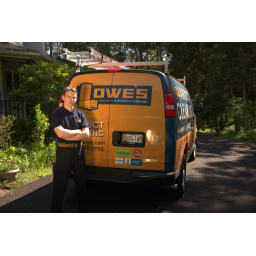
In Toledo, the comfort of your home depends on more than just the temperature. While we focus on heating and cooling, your indoor air quality is the foundation of a healthy living environment. From managing seasonal allergies to reducing airborne pollutants, our professional air purification and whole-house air filtration solutions are designed to help you breathe easier year-round. Whether you are concerned about dust, pet dander, or stale air, we provide expert guidance on everything from…
Read more
Good to know: Filtration and UV systems help with allergies and dust.
Cost is a typical U.S. range, not a quote. Climate = annual degree days (NOAA); population from the U.S. Census.
About Indoor Air Quality in Toledo
In Toledo, the comfort of your home depends on more than just the temperature. While we focus on heating and cooling, your indoor air quality is the foundation of a healthy living environment. From managing seasonal allergies to reducing airborne pollutants, our professional air purification and whole-house air filtration solutions are designed to help you breathe easier year-round.
Whether you are concerned about dust, pet dander, or stale air, we provide expert guidance on everything from HVAC air filter upgrades to advanced UV air purifier installations. By optimizing your home’s ventilation and humidity levels, you can transform your space into a sanctuary of clean, fresh air, regardless of the weather outside.
Climate Considerations
Toledo’s climate is highly variable, swinging from humid, warm summers to frigid winter cold snaps. This constant cycling of the HVAC system means your home is frequently sealed tight to conserve energy, which can trap pollutants and lead to poor indoor air quality. During the winter, dry air necessitates humidifier installation to protect your health, while summer humidity requires effective dehumidifier solutions to prevent mold growth and maintain comfort.
Indoor Air Quality Tips
Always check your HVAC air filter every 30 days and replace it according to the manufacturer's recommendation to maintain airflow.
Invest in a high-quality MERV-rated filter to capture smaller particles like pollen and dust, but consult a licensed technician to ensure it matches your system's capacity.
Schedule regular professional maintenance to inspect your ductwork for leaks that could be pulling in dust or debris from crawlspaces and attics.
Use a whole-house dehumidifier during the humid Toledo summer to prevent mold and mildew growth within your HVAC system.
Consider installing an Energy Recovery Ventilator (ERV) to exchange stale indoor air with fresh, filtered outdoor air without sacrificing energy efficiency.
Frequently Asked Questions
What are the common indoor air quality solutions and their typical costs?
Solutions range from simple media air cleaners to advanced UV lights and ERVs. Costs vary based on the technology chosen and your existing ductwork, so it is best to request a free estimate from a licensed professional.
How does indoor air quality affect allergies and asthma?
Poor air quality traps allergens like dust mites, dander, and pollen. Improving filtration and controlling humidity can significantly reduce these triggers, providing relief for those with respiratory sensitivities.
Which HVAC air filter (MERV/HEPA) should I use?
Most residential systems perform best with a MERV 8 to 13 filter. Always consult an experienced technician to ensure the filter rating doesn't restrict airflow, which can damage your HVAC motor.
How can I control humidity, mold, and dust in my home?
Humidity control is key; use a whole-house dehumidifier in summer and a humidifier in winter. Proper ventilation and regular filter changes also minimize dust accumulation and prevent mold-friendly environments.
Are whole-house air purifiers better than portable units?
Yes, whole-house purifiers integrate directly into your HVAC system, treating the air throughout your entire home rather than just one room, and they require less maintenance than multiple portable units.
What are the signs that my home has poor indoor air quality?
Common indicators include persistent dust, lingering odors, increased allergy symptoms indoors, visible mold growth, or a stuffy atmosphere that persists even when the HVAC is running.
What solutions exist for pet owners or homes with smoke and odors?
Activated carbon filters and whole-house air purification systems are highly effective at neutralizing odors and VOCs associated with pets, cooking, and smoke.
Why would I need an ERV or HRV for my Toledo home?
Modern, tightly-sealed homes often lack fresh air. An ERV or HRV system provides controlled, fresh air ventilation while recovering energy, keeping your home fresh without wasting heating or cooling energy.
How do HVAC UV lights work and what are their limitations?
UV lights are installed near the cooling coil to kill mold and bacteria. While excellent for disinfecting the equipment, they do not replace the need for physical air filtration to capture dust and particles.
How can I test my indoor air quality?
You can use professional-grade air quality monitors to measure levels of VOCs, humidity, CO2, and particulate matter. A certified HVAC professional can perform a diagnostic test to identify specific pollutants.
We use cookies for essential site functions, analytics and advertising. See our
Cookie Policy.