Living in Dayton, Ohio, means dealing with the unique challenges of our local water supply. Whether you are struggling with mineral buildup or concerned about water quality, our professional water treatment services are designed to improve your home's comfort and efficiency. From expert water softener installation to comprehensive whole-house water filtration, we help Dayton residents enjoy cleaner, safer, and better-tasting water every day. Hard water is a common issue for many households in…
Read more
Good to know: Whole-home systems are priced by water hardness and flow.
Cost is a typical U.S. range, not a quote. Climate = annual degree days (NOAA); population from the U.S. Census.
About Water Treatment in Dayton
Living in Dayton, Ohio, means dealing with the unique challenges of our local water supply. Whether you are struggling with mineral buildup or concerned about water quality, our professional water treatment services are designed to improve your home's comfort and efficiency. From expert water softener installation to comprehensive whole-house water filtration, we help Dayton residents enjoy cleaner, safer, and better-tasting water every day.
Hard water is a common issue for many households in the Miami Valley, often leading to appliance damage and plumbing headaches. By investing in a high-quality water filtration system or a reliable water conditioner, you can protect your investment in expensive HVAC and plumbing equipment. We provide transparent, local expertise to help you navigate the best hard water treatment options for your specific needs, ensuring long-term peace of mind for your family.
Climate Considerations
Dayton's mixed climate, with its humid summers and freezing winters, places significant strain on your home’s systems. Hard water deposits can accumulate rapidly inside your water heater and boiler pipes, reducing energy efficiency and increasing the risk of premature system failure during extreme temperature swings. By utilizing effective water treatment, you prevent limescale from insulating your heating elements, which helps keep your energy bills manageable and your equipment running smoothly year-round.
Water Treatment Tips
Schedule a professional water test to identify specific mineral or contaminant levels before selecting a treatment system.
Always hire a licensed and insured technician to ensure your water softener installation meets local plumbing codes.
Monitor salt levels in your softener monthly to maintain peak efficiency and prevent hard water breakthrough.
Consider a reverse osmosis system for dedicated drinking water if your primary concern is taste and specific contaminant removal.
Flush your water heater annually to remove sediment buildup, which is vital if you are currently dealing with hard water.
Frequently Asked Questions
How much does a water softener or whole-house filtration system cost in Dayton?
Costs vary based on the system type and your home's plumbing complexity. It is best to request free estimates from experienced, local professionals to get an accurate price.
What are the common signs of hard water in my home?
Common indicators include white, crusty limescale buildup on faucets, dry skin after showering, spotty dishes, and reduced water pressure caused by mineral deposits in pipes.
Should I choose a water softener, a whole-house filter, or reverse osmosis?
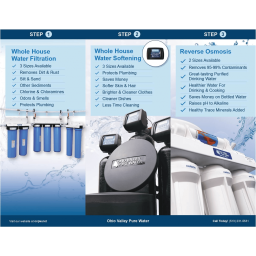
A softener removes minerals like calcium and magnesium, a filter removes chemicals like chlorine, and reverse osmosis provides high-purity drinking water. Many Dayton homes benefit from a combination of these technologies.
Why is it important to test my water before installing a system?
Testing determines whether you have city or well water and identifies specific contaminants like iron or sulfur. This ensures you choose a system tailored to your actual water chemistry.
What kind of maintenance does a water treatment system require?
Most systems require periodic salt replenishment for softeners and routine filter cartridge replacements for filtration systems to ensure consistent performance.
What are the health and taste benefits of treated water?
Treated water removes unpleasant odors and chlorine tastes, provides better-tasting drinking water, and is often gentler on hair and skin compared to untreated hard water.
What is the difference between salt-based and salt-free water softeners?
Salt-based systems physically remove hardness minerals through ion exchange, while salt-free conditioners use template-assisted crystallization to prevent minerals from adhering to surfaces.
What contaminants can a water treatment system remove?
Depending on the technology, systems can remove chlorine, sediment, iron, heavy metals, volatile organic compounds, and hardness-causing minerals.
How does treated water protect my water heater and plumbing fixtures?
By eliminating limescale buildup, treated water prevents the interior of your water heater from insulating, allowing it to heat water faster and operate more efficiently.
What is the typical lifespan and running cost of these systems?
With professional installation and regular maintenance, most systems last 10 to 15 years, with ongoing costs primarily limited to salt, filter changes, and minimal electricity.
We use cookies for essential site functions, analytics and advertising. See our
Cookie Policy.