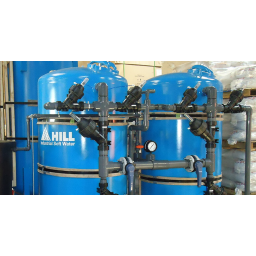
Living in Saint Cloud, Minnesota, means dealing with unique challenges when it comes to your home's water quality. Whether you rely on city water or a private well, hard water and mineral deposits can wreak havoc on your plumbing and appliances. Our professional water treatment services are designed to address these concerns, ensuring your household enjoys cleaner, safer, and better-tasting water year-round. From professional water softener installation to advanced whole-house water filtration…
Read more
Good to know: Whole-home systems are priced by water hardness and flow.
Cost is a typical U.S. range, not a quote. Climate = annual degree days (NOAA); population from the U.S. Census.
About Water Treatment in Saint Cloud
Living in Saint Cloud, Minnesota, means dealing with unique challenges when it comes to your home's water quality. Whether you rely on city water or a private well, hard water and mineral deposits can wreak havoc on your plumbing and appliances. Our professional water treatment services are designed to address these concerns, ensuring your household enjoys cleaner, safer, and better-tasting water year-round.
From professional water softener installation to advanced whole-house water filtration systems, we provide comprehensive solutions tailored to your specific needs. By investing in a high-quality water treatment service, you protect your home’s infrastructure from limescale buildup and ensure that your family has access to purified water directly from the tap.
Climate Considerations
The Saint Cloud climate features extreme temperature swings, with average winter lows around 10°F and summer highs near 72.5°F. These fluctuations significantly impact how your water-using appliances, such as water heaters and boilers, perform. When water is high in mineral content, the stress on these systems during the harsh Minnesota winters increases, as limescale buildup reduces heating efficiency and forces equipment to work harder to maintain temperatures.
Water Treatment Tips
Schedule an annual professional water test to identify specific mineral or contaminant levels in your Saint Cloud home.
Always hire a licensed and insured technician for water softener installation to ensure proper plumbing integration.
Monitor your water heater for signs of sediment buildup, which can be accelerated by hard water conditions.
Replace your whole-house water filtration cartridges on schedule to maintain optimal flow and water quality.
Consider a reverse osmosis system for dedicated, high-purity drinking water in your kitchen.
Frequently Asked Questions
How much does a water softener or filtration system cost?
Costs vary based on the technology, system capacity, and installation complexity; it is best to request free estimates from a local, licensed professional to get accurate pricing for your home.
What are the common signs of hard water in my home?
Common signs include stubborn limescale buildup on faucets, soap scum in the shower, dry skin, and reduced water pressure caused by mineral deposits inside your pipes.
Should I choose a water softener, whole-house filter, or reverse osmosis?
A softener removes minerals for scale prevention, a whole-house filter removes sediment and chemicals, and reverse osmosis provides purified drinking water; many homes benefit from a combination of these.
Why is water testing important before installing a system?
Testing identifies whether you have iron, sulfur, bacteria, or high hardness levels, which determines exactly which treatment method will be effective for your specific water source.
What maintenance does a water treatment system require?
Maintenance typically includes refilling salt for softeners and periodically replacing sediment or carbon filters to ensure the system continues to function efficiently.
What are the health and taste benefits of treated water?
Treated water removes chlorine, lead, and other impurities, resulting in better-tasting coffee, tea, and cooking, while also reducing exposure to potential contaminants.
How do salt-based and salt-free softeners compare?
Salt-based softeners physically remove minerals through ion exchange for effective softening, while salt-free conditioners crystallize minerals to prevent them from sticking to surfaces.
What specific contaminants can these systems remove?
Depending on the system, they can remove chlorine, iron, sediment, heavy metals, volatile organic compounds, and hardness-causing minerals like calcium and magnesium.
How does treated water protect my water heater and fixtures?
By preventing limescale buildup, treated water keeps heating elements clean, allowing your water heater to operate at peak efficiency and extending the lifespan of your faucets and pipes.
What is the typical lifespan and running cost of these systems?
With professional installation and regular maintenance, most systems last 10 to 15 years, with ongoing costs primarily limited to salt, filter replacements, and minimal electricity.
We use cookies for essential site functions, analytics and advertising. See our
Cookie Policy.