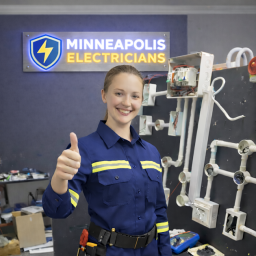
When your climate control system fails, the issue is often hidden within the electrical infrastructure rather than the mechanical components. In Plymouth, Minnesota, reliable HVAC electrical services are essential to keeping your home comfortable year-round. Whether you are dealing with faulty HVAC wiring, a malfunctioning thermostat, or an aging electrical panel struggling to support your system, our local expertise ensures your equipment runs safely and efficiently. Professional HVAC…
Read more
Good to know: Panel and wiring work should be done by a licensed electrician.
Cost is a typical U.S. range, not a quote. Climate = annual degree days (NOAA); population from the U.S. Census.
About Electrical Services in Plymouth
When your climate control system fails, the issue is often hidden within the electrical infrastructure rather than the mechanical components. In Plymouth, Minnesota, reliable HVAC electrical services are essential to keeping your home comfortable year-round. Whether you are dealing with faulty HVAC wiring, a malfunctioning thermostat, or an aging electrical panel struggling to support your system, our local expertise ensures your equipment runs safely and efficiently.
Professional HVAC electrical repair is about more than just fixing a broken unit; it is about ensuring your home's power supply meets the demands of modern heating and cooling. From troubleshooting complex circuit repairs to professional wiring installation, our goal is to provide the reliable power your system needs to maintain peak performance throughout every season.
Climate Considerations
Plymouth experiences extreme seasonal shifts, with winter temperatures plummeting to an average of 10.0°F and summer highs reaching 72.5°F. These harsh conditions place significant strain on your HVAC system, making the integrity of your electrical connections critical. During a brutal Minnesota cold snap, a failing heating element or a tripped breaker can lead to an emergency, while summer heatwaves demand consistent power to keep your cooling system running at maximum SEER efficiency.
Electrical Services Tips
Always hire a licensed and insured HVAC electrician to ensure all wiring meets local Plymouth and Minnesota electrical codes.
If your HVAC system is frequently tripping the breaker, do not keep resetting it; call a professional to inspect for potential short circuits or overloaded wires.
Schedule an annual HVAC electrical inspection to identify worn contactors or capacitors before they lead to a complete system failure.
Ensure your electrical panel is capable of handling the load of your HVAC system, especially if you have recently upgraded your unit or added a smart thermostat.
Monitor your home for flickering lights when your AC starts, as this can indicate an electrical load issue that requires a dedicated circuit.
Frequently Asked Questions
What factors influence the cost of HVAC electrical repairs?
Costs vary based on the complexity of the wiring issue, the parts required (such as capacitors or contactors), and whether a new dedicated circuit needs to be installed to comply with safety codes.
Why does my HVAC system keep tripping the circuit breaker?
A tripping breaker often indicates an electrical overload, a loose connection, or a failing motor component drawing too much current, which requires professional troubleshooting.
When do I need an electrical panel upgrade for my HVAC system?
An upgrade is usually necessary if your current panel lacks the amperage capacity to handle a new, high-efficiency HVAC unit or if you are frequently blowing fuses.
What are the common signs of HVAC wiring problems?
Watch for burning smells near the unit, the system failing to turn on, inconsistent cooling or heating, or flickering lights whenever the blower motor engages.
Why is it important to use a licensed electrician for HVAC work?
HVAC electrical systems involve high voltage; a licensed professional ensures the work is safe, up to code, and protected by manufacturer warranties, preventing fire hazards.
Which electrical parts commonly fail in HVAC systems?
Capacitors and contactors are the most common points of failure due to the constant start-stop cycles required to regulate indoor temperatures in extreme climates.
Are permits required for HVAC electrical work in Plymouth?
Yes, many electrical modifications for HVAC systems require local permits and inspections to ensure the installation adheres to Minnesota state electrical codes.
How can I prevent electrical problems with my HVAC system?
Regular maintenance, including professional electrical inspections and replacing aging components, helps prevent unexpected breakdowns and improves overall energy efficiency.
Do I need a dedicated circuit for my HVAC unit or smart thermostat?
Large HVAC units typically require a dedicated circuit to prevent overloading household lines, while smart thermostats may require a 'C-wire' for consistent power.
How do dedicated circuits protect my HVAC equipment?
A dedicated circuit prevents voltage drops and interference from other household appliances, ensuring your HVAC system receives the stable power needed to operate reliably.
We use cookies for essential site functions, analytics and advertising. See our
Cookie Policy.