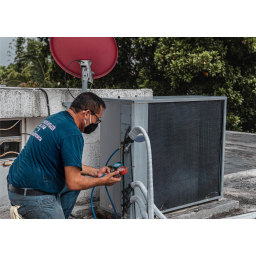
Living in Clearwater, Florida, means dealing with unrelenting humidity and high temperatures for the majority of the year. At Energy Efficient Solutions, we specialize in helping local homeowners transition to high-efficiency air conditioner systems and smart HVAC technology designed to handle the coastal climate without breaking the bank. By focusing on modern HVAC upgrades, we help you maintain consistent indoor comfort while significantly reducing your environmental footprint. Investing in…
Read more
Good to know: Upgrades may qualify for federal or utility rebates.
Cost is a typical U.S. range, not a quote. Climate = annual degree days (NOAA); population from the U.S. Census.
About Energy Efficient Solutions in Clearwater
Living in Clearwater, Florida, means dealing with unrelenting humidity and high temperatures for the majority of the year. At Energy Efficient Solutions, we specialize in helping local homeowners transition to high-efficiency air conditioner systems and smart HVAC technology designed to handle the coastal climate without breaking the bank. By focusing on modern HVAC upgrades, we help you maintain consistent indoor comfort while significantly reducing your environmental footprint.
Investing in an energy-efficient HVAC system is more than just a home improvement; it is a strategic move toward long-term energy savings. Whether you are looking for a heat pump upgrade or exploring the latest in variable-speed technology, our goal is to provide you with the knowledge to make an informed decision. We emphasize professional installation practices to ensure your new equipment achieves its maximum SEER2 rating, providing you with reliable cooling performance year-round.
Climate Considerations
Clearwater's climate features long, hot summers with average temperatures around 87.5°F and mild, humid winters averaging 62.5°F. This year-round warmth keeps HVAC systems running constantly, which can lead to rapid equipment wear and high utility costs. Because of the consistent heat, choosing a high-efficiency system is essential for maintaining comfort without excessive energy consumption.
Energy Efficient Solutions Tips
Schedule an annual energy audit to identify leaks in your ductwork that force your system to work harder.
Prioritize a professional installation by a licensed and insured technician to ensure your SEER2 rating is actually achieved.
Upgrade to a smart thermostat to better manage your cooling cycles during the hottest parts of the day.
Ensure your home's insulation and window seals are up to date to prevent conditioned air from escaping.
Clean or replace your air filters regularly to maintain optimal airflow and system efficiency.
Frequently Asked Questions
How much can an energy-efficient HVAC upgrade save on my monthly bills?
Upgrading to a high-efficiency system can often reduce cooling costs by 20% to 40%, depending on the SEER2 rating of your old unit compared to the new one.
What rebates and tax credits are available for high-efficiency HVAC in Florida?
Many homeowners qualify for federal HVAC tax credits under the Inflation Reduction Act, and local utility providers often offer rebates for installing ENERGY STAR-certified equipment.
What do SEER2 ratings mean and which one should I choose?
SEER2 measures cooling efficiency; a higher rating means the system uses less electricity. For Florida's climate, choosing a unit with a higher SEER2 rating is recommended for maximum long-term savings.
What is the typical payback period for a high-efficiency HVAC upgrade?
While costs vary, the energy savings from a high-efficiency system typically offset the initial investment within 5 to 10 years through reduced utility bills.
How do inverter and variable-speed HVAC systems work?
Unlike traditional systems that only run at full speed, variable-speed systems adjust their output to match the cooling demand, which uses less energy and improves humidity control.
Beyond the equipment, how do insulation and sealing boost efficiency?
Your HVAC system is only as efficient as your home's envelope. Proper insulation and air sealing keep your cooled air inside, preventing your HVAC system from overworking.
How do I qualify for and claim HVAC rebates and tax credits?
Always keep your professional installation receipts and the manufacturer's certification statement, then consult with your tax professional or utility provider to submit the necessary forms.
Does whole-home efficiency involve more than just the HVAC unit?
Yes, whole-home efficiency includes improving attic insulation, upgrading windows, and sealing air leaks to ensure your HVAC system doesn't have to compensate for poor building performance.
How do smart thermostats and zoning add to energy savings?
Smart thermostats learn your schedule to avoid cooling an empty house, while zoning allows you to focus cooling only on the rooms you are currently using.
How do I choose the right high-efficiency system size?
Always hire a professional to perform a Manual J load calculation. Oversized units cycle on and off too frequently, which fails to dehumidify your home properly and wastes energy.
We use cookies for essential site functions, analytics and advertising. See our
Cookie Policy.