Living in Vacaville means enjoying a beautiful California climate, but it also brings unique challenges for your home's plumbing and HVAC systems. Hard water is a common issue for many residents, leading to mineral deposits that reduce efficiency and shorten the lifespan of your expensive equipment. Our professional water treatment services are designed to address these concerns, ensuring your home benefits from cleaner, softer, and healthier water. Whether you are considering a whole-house…
Read more
Good to know: Whole-home systems are priced by water hardness and flow.
Cost is a typical U.S. range, not a quote. Climate = annual degree days (NOAA); population from the U.S. Census.
About Water Treatment in Vacaville
Living in Vacaville means enjoying a beautiful California climate, but it also brings unique challenges for your home's plumbing and HVAC systems. Hard water is a common issue for many residents, leading to mineral deposits that reduce efficiency and shorten the lifespan of your expensive equipment. Our professional water treatment services are designed to address these concerns, ensuring your home benefits from cleaner, softer, and healthier water.
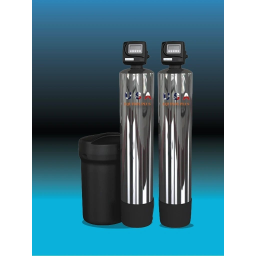
Whether you are considering a whole-house water filtration system to remove chlorine or need a water softener installation to combat limescale buildup, our team is here to help. We specialize in comprehensive water treatment solutions that protect your pipes, faucets, and water-using appliances. By investing in a high-quality water conditioner or reverse osmosis system, you can improve your water quality while protecting your home's infrastructure.
Climate Considerations
Vacaville experiences a mixed, variable climate with warm summers averaging 80.0°F and cooler winters around 50.0°F. These temperature fluctuations place significant demand on your HVAC systems, particularly your water heater. When hard water is present, the heating elements in your water heater become coated in limescale, forcing the unit to work harder and consume more energy to reach desired temperatures. Proper water treatment is an essential part of maintaining energy efficiency throughout the changing seasons.
Water Treatment Tips
Schedule a professional water test to identify specific mineral or contaminant levels in your local supply.
Always hire a licensed and insured technician for water softener installation to ensure your plumbing remains code-compliant.
Monitor your water heater for signs of reduced efficiency or strange noises, which often signal significant limescale buildup.
Replace filtration cartridges on a regular schedule to maintain consistent water pressure and avoid system strain.
Consult with a certified professional to determine if a salt-based or salt-free system is the best fit for your home's water hardness level.
Frequently Asked Questions
How much does a water softener or whole-house filtration system cost?
Costs vary based on the system type, capacity, and complexity of installation. It is best to request free estimates from licensed professionals to get a clear picture of equipment and labor expenses.
What are the common signs of hard water in my home?
Look for white, chalky residue on faucets, stiff laundry, dry skin after showering, and reduced water pressure caused by mineral buildup inside your pipes.
How do I choose between a water softener, whole-house filter, and reverse osmosis?
A softener treats hardness minerals, a whole-house filter removes sediment and chlorine, and reverse osmosis is ideal for high-purity drinking water. Many homeowners use a combination of these technologies.
Why is water testing necessary before installing a system?
Water chemistry varies significantly between well water and municipal sources. Testing ensures the system you select is specifically calibrated to remove the contaminants present in your supply.
What maintenance is required for a water treatment system?
Most systems require periodic filter replacements, while salt-based softeners require regular salt refills. Always follow the manufacturer's maintenance schedule for optimal performance.
What are the primary health and taste benefits of treated water?
Water treatment removes harsh chemicals like chlorine and potential contaminants, resulting in better-tasting drinking water and less irritation for sensitive skin.
What is the difference between salt-based and salt-free softeners?
Salt-based softeners physically remove calcium and magnesium through ion exchange, while salt-free systems use template-assisted crystallization to prevent scale from adhering to pipes.
What specific contaminants can a water treatment system remove?
Depending on the filtration media, systems can remove chlorine, chloramines, heavy metals, sediment, iron, and various volatile organic compounds.
How does treated water extend the life of my appliances?
By preventing limescale buildup, treated water allows water heaters, dishwashers, and washing machines to operate at peak efficiency without the strain of mineral deposits.
What is the typical lifespan and running cost of a water treatment system?
A well-maintained system can last 10 to 15 years or more. Running costs are generally low, consisting primarily of salt refills and periodic filter replacements.
We use cookies for essential site functions, analytics and advertising. See our
Cookie Policy.